Starting a fertilizer production business does not always require a large industrial plant. For farms, agricultural cooperatives, fertilizer distributors, waste recycling companies, plantation owners and new fertilizer businesses, a small scale fertilizer production line can be a practical way to turn local raw materials into valuable fertilizer products.
Depending on the raw materials and production process, a small fertilizer plant can produce powder fertilizer, granular organic fertilizer or compound fertilizer with a capacity of approximately 0.5–3 tons per hour.
However, buying a fertilizer production line is not as simple as choosing a machine from a catalog.
Chicken manure, cow manure, crop waste, mineral powder, fertilizer raw materials and other materials have different physical properties. The required capacity, final fertilizer type, granule size, automation level, available factory space and local environmental requirements can also significantly affect the equipment configuration.
That is why a successful fertilizer project usually begins with understanding the production requirements before selecting the equipment.
This guide explains the complete process of buying a small scale fertilizer production line from LANE, from the first inquiry and technical discussion to equipment manufacturing, inspection, shipping, installation and long-term after-sales support.
Whether you are planning a 0.5 TPH fertilizer production line, a 1 TPH organic fertilizer plant, or a 3 TPH granulation line, the following process will help you understand what happens before, during and after purchasing your equipment.
A small scale fertilizer production line generally refers to a fertilizer production system designed for relatively moderate production capacities.
At LANE, small-scale fertilizer projects commonly range from:
The actual configuration depends on what materials you want to process and what type of fertilizer you want to produce.
A small fertilizer plant may be used for:
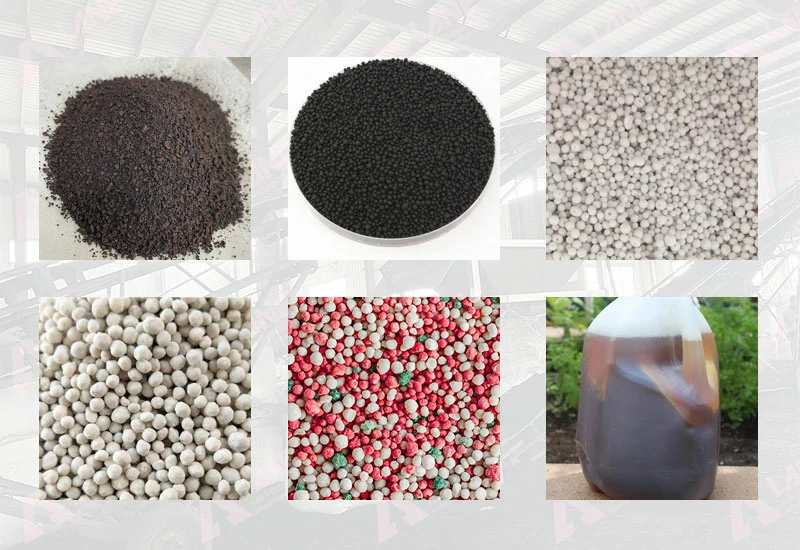
A small scale fertilizer production line does not mean that every customer receives the same equipment.
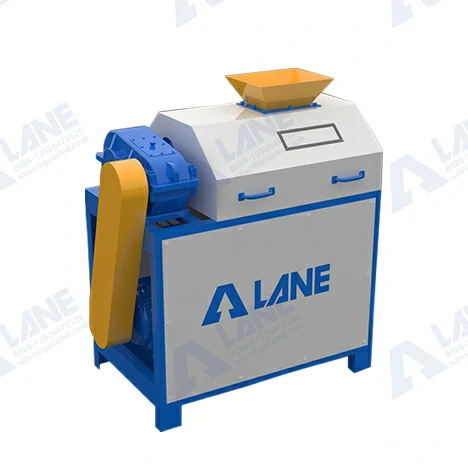
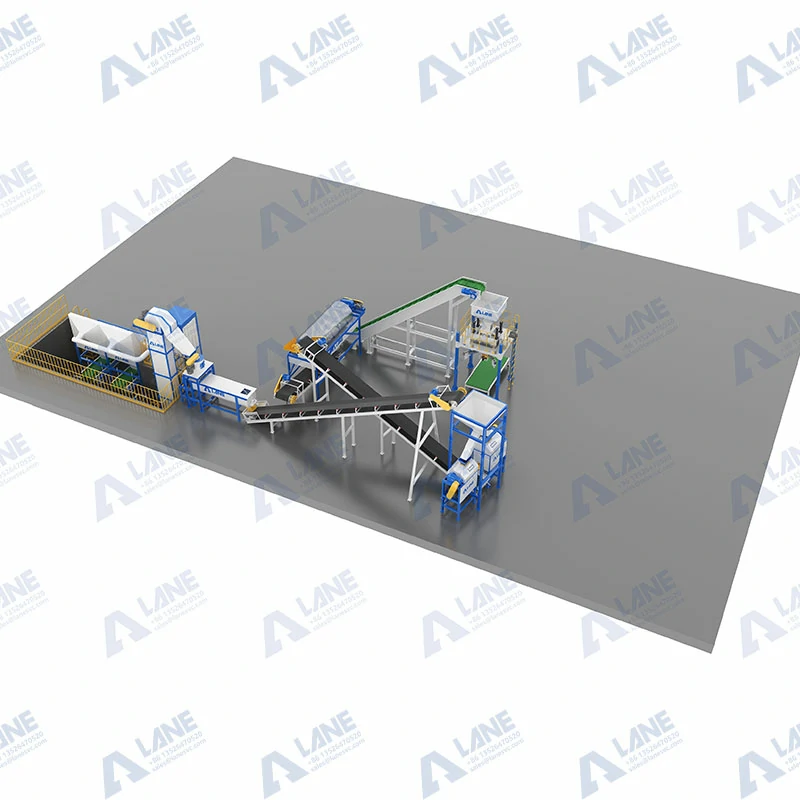
For example, a simple powder fertilizer line may mainly include crushing, mixing, conveying and packaging equipment.
A granular fertilizer production line may require additional equipment for:
Therefore, the first step is not choosing a granulator. The first step is understanding your complete project.
A small fertilizer production line can be suitable for many different types of businesses.
Chicken manure, cow manure, pig manure and other livestock waste can be processed into organic fertilizer instead of becoming a disposal problem.
A fertilizer production line can help farms:
Plantation owners may use locally available organic waste or agricultural residues to produce fertilizer for their own crops.
This can reduce dependence on externally purchased fertilizer and create a more circular agricultural production system.
Some fertilizer distributors begin by selling finished fertilizer and later decide to establish their own production capacity.
A 0.5–3 TPH small scale fertilizer production line can provide a lower-capacity starting point before expanding into a larger fertilizer plant.
Organic waste, agricultural residues and some industrial by-products can potentially be converted into value-added fertilizer products after appropriate processing.
For entrepreneurs entering the fertilizer industry, starting with a smaller production capacity can help reduce the initial investment and allow the business to develop gradually.
One of the biggest mistakes when purchasing fertilizer equipment is assuming that there is one standard production line suitable for every raw material.
In reality, the production process may change depending on:
For example, high-moisture organic materials may require composting, fermentation or moisture reduction before granulation.
Fine mineral powders may require a different mixing and granulation process.
Some customers only need to produce powder fertilizer, while others want uniform, market-ready granules.
Because of these differences, LANE begins by understanding the project before recommending equipment.
The process begins when you contact LANE with information about your fertilizer project.
You can send your inquiry through:
You do not need to prepare a complete engineering plan before contacting us.
Even if you only know your raw materials and approximate production capacity, our team can begin discussing the project with you.
For example, your first message could simply include:
We have chicken manure and would like to build a 1 TPH organic fertilizer production line.
Or:
We want to produce granular fertilizer from mineral powder with a capacity of 2 tons per hour.
From there, the project discussion can begin.
After receiving your inquiry, LANE will communicate with you through email or WhatsApp to better understand your project.
Our sales engineers will typically ask about the following information.
The raw material is one of the most important factors when designing a fertilizer production line.
Examples may include:
Different materials may require different crushing, mixing and granulation processes.
Customers may require:
The capacity affects the size and number of machines used in the production line.
It also affects the total investment, factory space and power requirements.
This may include:
The final product determines the required production process.
If you plan to produce granular fertilizer, the required particle size is important.
Different markets and fertilizer applications may require different granule sizes.
The available workshop area affects the layout of the fertilizer production line.
Some customers have an existing building, while others are planning a new fertilizer plant.
Providing the approximate length, width and height of the workshop can help the engineering team design a more suitable layout.
The local voltage and electrical frequency should be confirmed before equipment manufacturing.
This helps ensure that the electrical system matches the conditions at your factory.
Budget is also an important factor.
A small fertilizer production line can be configured with different levels of automation and different equipment options.
Understanding the customer’s investment plan allows LANE to recommend a more appropriate solution.
After understanding your project requirements, LANE’s technical team begins designing the proposed production process.
Depending on the project, we can provide:
This stage is important because customers can better understand how the raw materials will move through the production process.
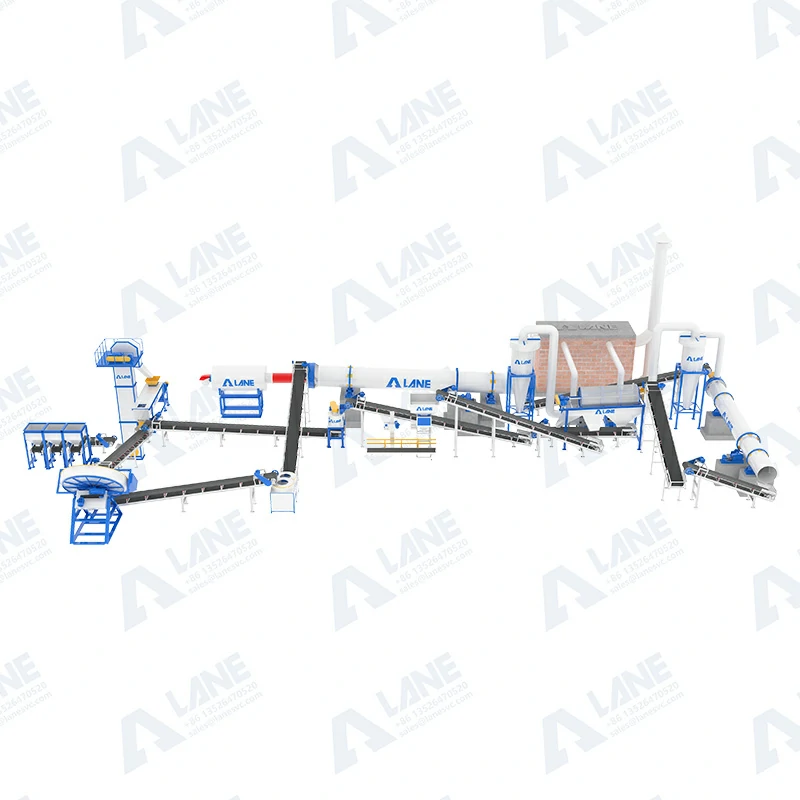
A typical design may show:
Raw Material → Crushing → Mixing → Granulation → Drying → Cooling → Screening → Packaging

However, the actual process may be simpler or more complex depending on the project.
For example, a powder fertilizer production line may not require granulation, drying or cooling equipment.
A granular fertilizer line may require additional systems depending on the moisture content and properties of the materials.
The goal is not to add unnecessary equipment. The goal is to create a production process suitable for your raw materials and final product.
If your project involves fertilizer granulation, the behavior of your raw materials can be an important consideration.
LANE can provide free raw material granulation testing to help evaluate the granulation process.
This can help determine:
This is particularly useful for customers working with customized raw materials or non-standard fertilizer formulations.
After the preliminary process design is completed, LANE can provide a proposal that may include:
The quotation will depend on the actual equipment included in the project.
A basic powder fertilizer production line may require fewer machines than a complete granular fertilizer production line.
Customers can review the proposed solution and discuss any required adjustments before moving forward.
The cost of a small scale fertilizer production line depends on the production process and equipment configuration.
As a general reference:
| Production Line Type | Estimated Price Range |
|---|---|
| Basic Powder Fertilizer Line | $20,000–$50,000 |
| Small Granulation Fertilizer Line | $30,000–$80,000 |
| Complete Turnkey Fertilizer Plant | Customized according to capacity and configuration |
These figures should be considered preliminary reference ranges rather than a final quotation.
The actual cost can vary depending on several factors.
Different materials may require additional preparation, crushing, mixing or moisture control equipment.
A 0.5 TPH fertilizer production line and a 3 TPH fertilizer production line require different equipment sizes and configurations.
Manual, semi-automatic and highly automated systems have different investment levels.
Different fertilizer products may require different granulation technologies.
Depending on the production process and local regulations, the project may require dust collection, deodorization or other environmental protection equipment.
A fertilizer plant may use:
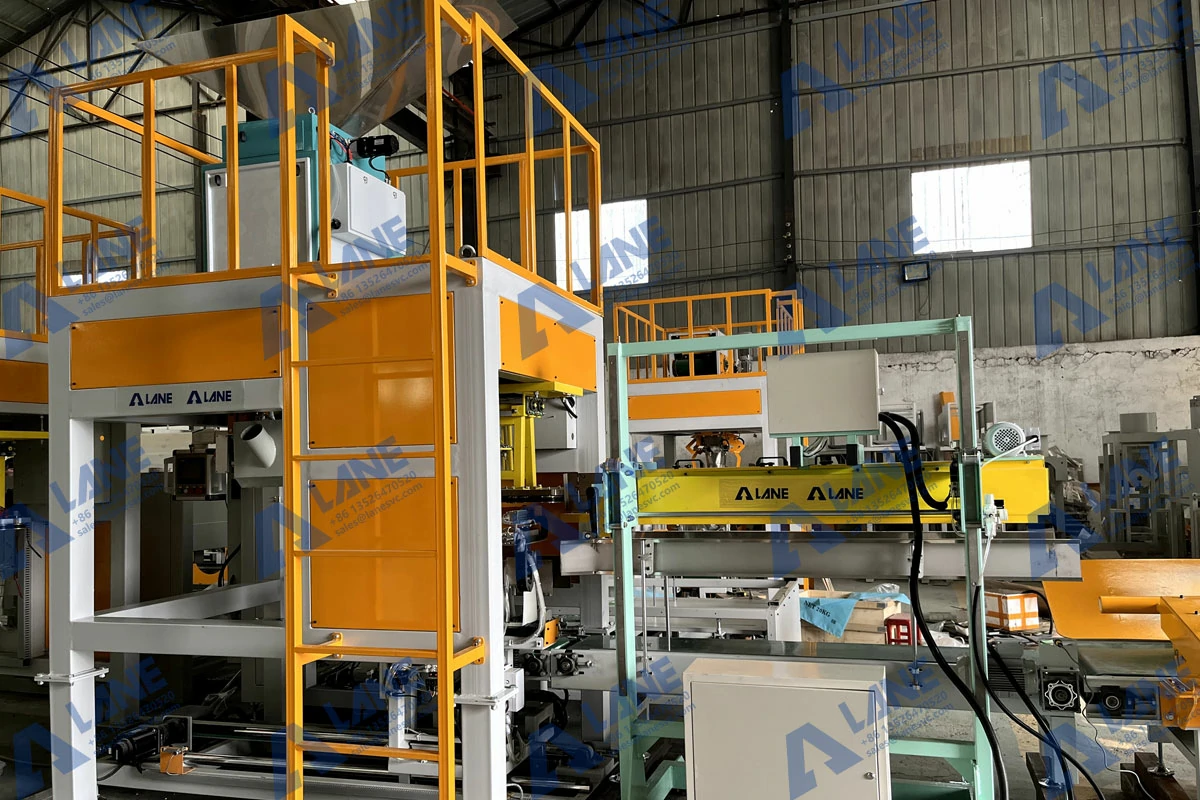
The level of automation and control requirements can also influence the total project cost.
The lowest equipment price does not always represent the lowest overall project cost.
Choosing equipment that is unsuitable for the raw materials or production target may create additional modification and operating costs later.
For this reason, it is important to evaluate the complete production process rather than comparing only the price of individual machines.
After reviewing the proposal, you can discuss any necessary changes with the LANE team.
For example, you may want to:
Once the final equipment configuration is confirmed, the production plan and commercial details can be finalized.
This step ensures that both the customer and LANE understand the final scope of supply before manufacturing begins.
After the final configuration is confirmed, the customer and LANE sign the purchase contract.
For LANE fertilizer equipment projects, production can begin after receiving a 10% deposit.
The remaining 90% balance is settled after shipment according to the agreed payment arrangement.
If you would like to visit the LANE factory, a factory visit can be arranged either:
A factory visit provides an opportunity to:
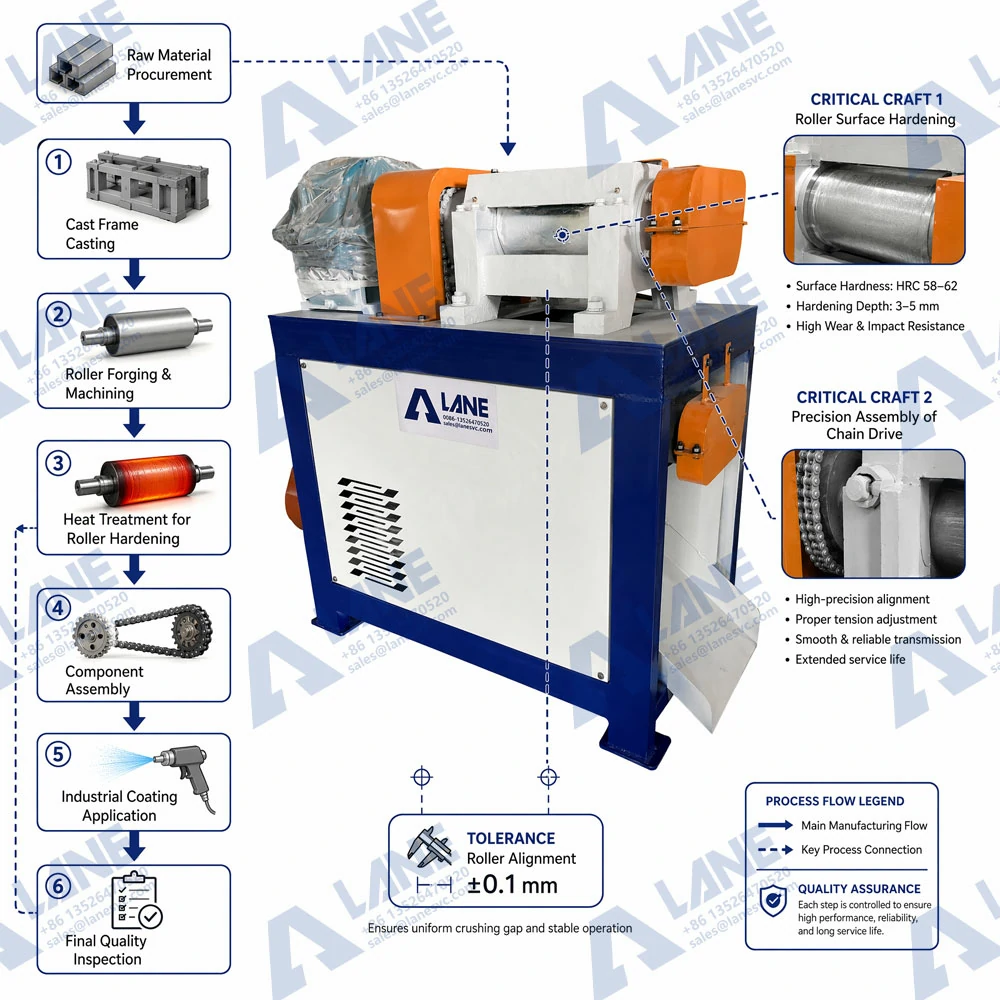
After the order is confirmed, LANE begins equipment manufacturing according to the agreed technical specifications.
For a typical small scale fertilizer production line, the production period is generally:
Approximately 30–45 days
For larger fertilizer projects, the manufacturing period may be around:
Approximately 3 months
The exact production schedule depends on:
During manufacturing, customers can remain in contact with the LANE team regarding project progress.
Before shipment, customers can inspect their equipment.
Depending on the project and customer preference, this may include:
Customers who cannot travel to China can communicate with the LANE team to arrange video inspection.
The purpose of this stage is to allow the customer to review the equipment before shipment.
After equipment acceptance, LANE prepares the fertilizer production line for shipment.
Depending on the project size and equipment dimensions, available shipping methods may include:
Available trade terms may include:
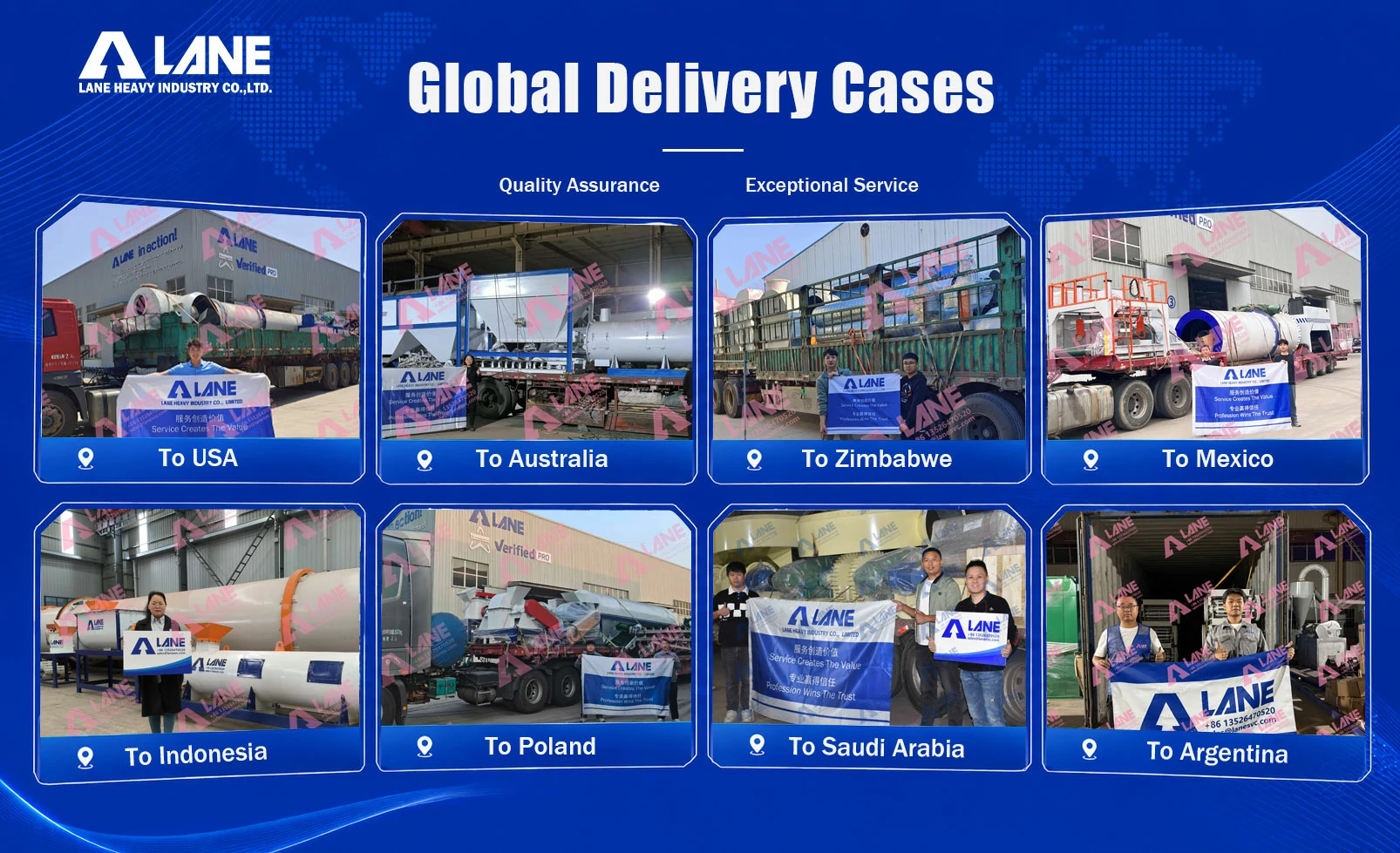
LANE works with long-term freight forwarding partners and can assist customers with transportation arrangements.
However, if you already have your own freight forwarder, you can also arrange shipping independently.
The equipment will be prepared for international transportation according to the requirements of the shipment.
For customers purchasing a complete fertilizer production line, shipping coordination is an important part of the overall project delivery process.
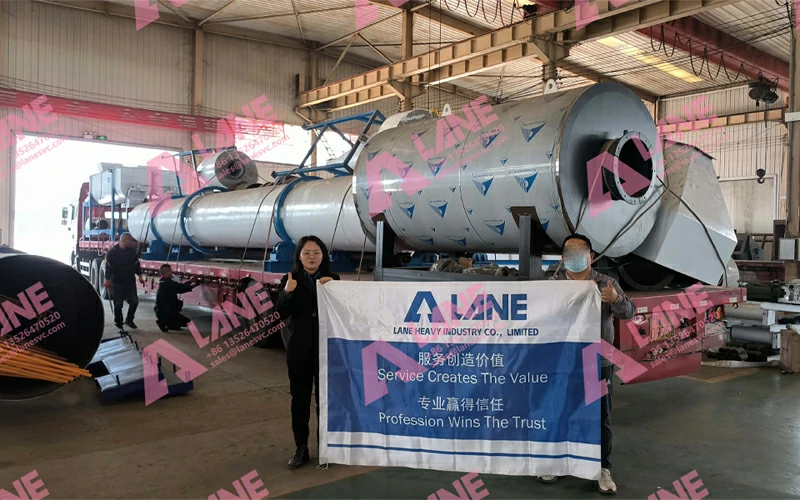
After the equipment arrives at the customer’s site, installation can begin.
LANE can provide different levels of installation and technical support depending on the project.
For suitable projects, LANE can provide free online technical guidance.
This may include:
Customers can receive relevant technical information, including:
These documents help the customer’s team prepare for installation and operation.
For customers who require on-site assistance, LANE can arrange engineers to travel to the project site.
The engineers can assist with:
Overseas on-site engineer service is charged separately and is generally calculated according to the service period.
The specific arrangement can be confirmed during the project planning stage.
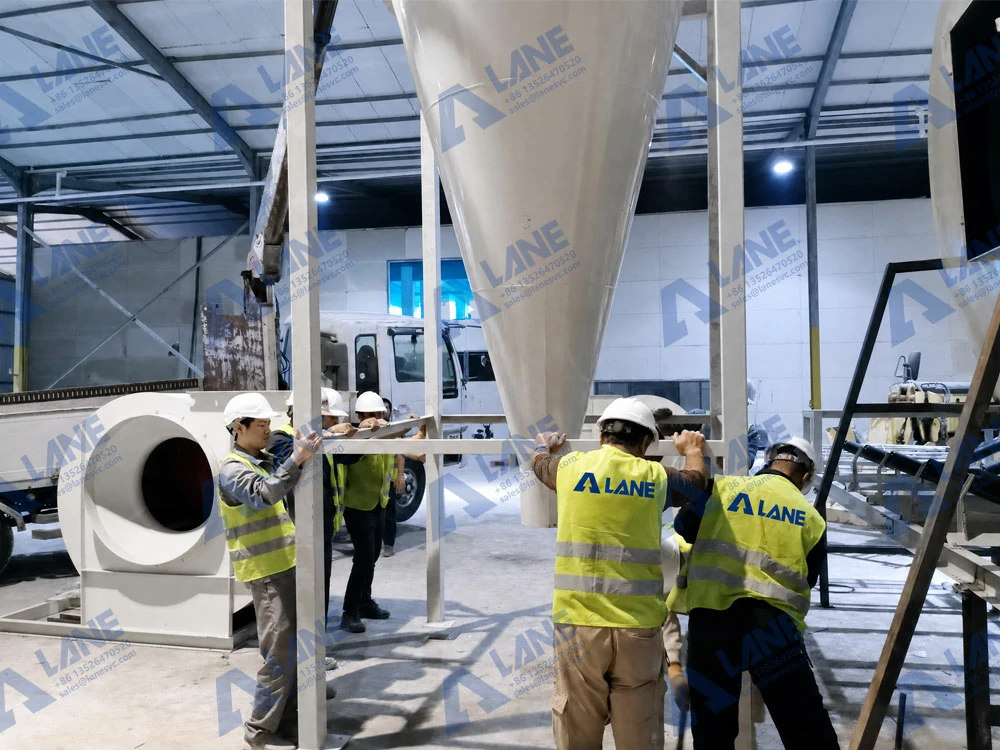
Proper operation is important for production efficiency and equipment service life.
LANE can provide training and guidance to help the customer’s operators understand:
Purchasing a fertilizer production line is not the end of the relationship.
A fertilizer plant may operate for many years, and customers may require technical support, spare parts or assistance with production issues.
LANE provides:
For after-sales communication, a dedicated WhatsApp group can be established for the project.
Customers can raise technical or equipment questions directly in the group, where LANE engineers can provide support and troubleshooting guidance.
This creates a direct communication channel between the customer and the technical team.
If a problem occurs during operation, customers can report the issue through the after-sales communication group and receive technical assistance from the LANE engineering team.
Real projects can provide a clearer understanding of how different raw materials require different production solutions.
Chicken manure
1 ton per hour
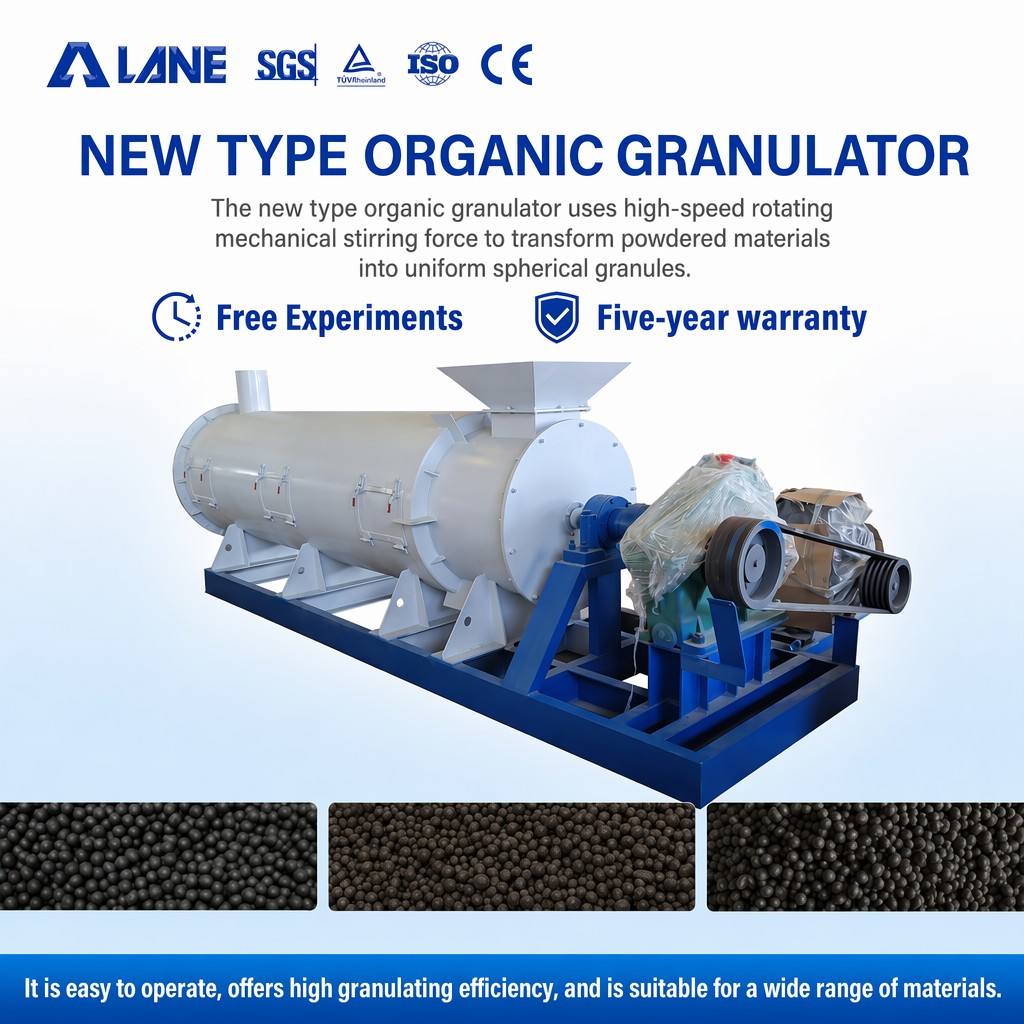
The customer wanted to recycle chicken manure generated by the farm.
Instead of treating the manure only as a waste management problem, the project allowed the material to be processed into fertilizer.
The finished fertilizer could then be used on the customer’s own plantation.
The project helped the customer create a recycling system between poultry farming and agricultural production.
The fertilizer production line helped reduce:
This is one example of how a relatively small fertilizer production line can support a farm-based circular production model.
Another example involves the utilization of fish waste.
Fish waste
0.5 tons per hour
The project included:
The customer collected fish waste and processed it into fertilizer products.
The project created a way to convert an available waste resource into a commercial fertilizer product that could be sold to local farmers.
Although fertilizer projects can differ significantly depending on the raw materials and final product, the basic principle remains the same:
Understand the material → Design the process → Select suitable equipment → Test and verify → Install and operate the production line.
When purchasing a fertilizer production line, customers are not only purchasing machines.
They are also selecting a technical partner that will help transform a production idea into an operating project.
LANE was established in 2010 and focuses on fertilizer equipment and fertilizer production solutions.
Our manufacturing facility covers approximately 5,000 square meters.
Our team includes:
LANE equipment and solutions have been exported to customers in more than 100 countries and regions.
For small fertilizer projects, LANE can provide support throughout the project process.
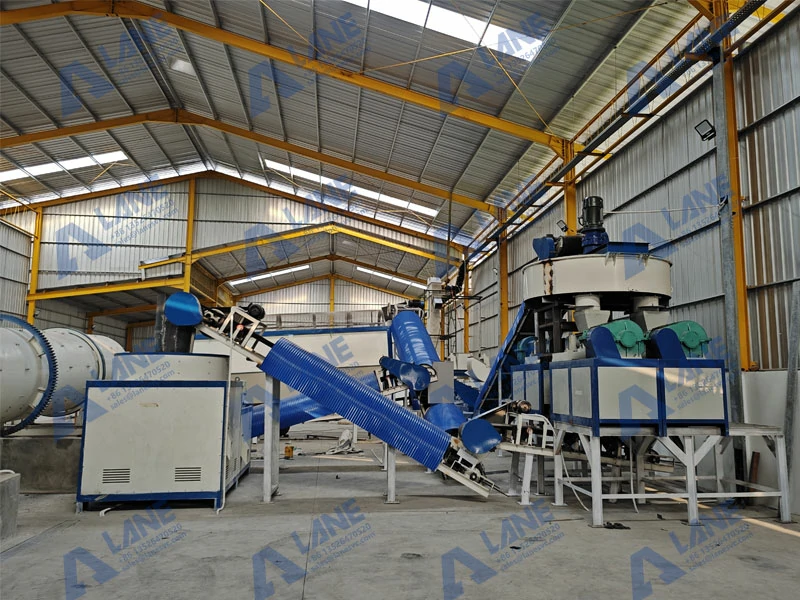
The equipment configuration is designed according to your raw materials, capacity and final fertilizer product.
Customers can receive a 3D visualization of the proposed production process.
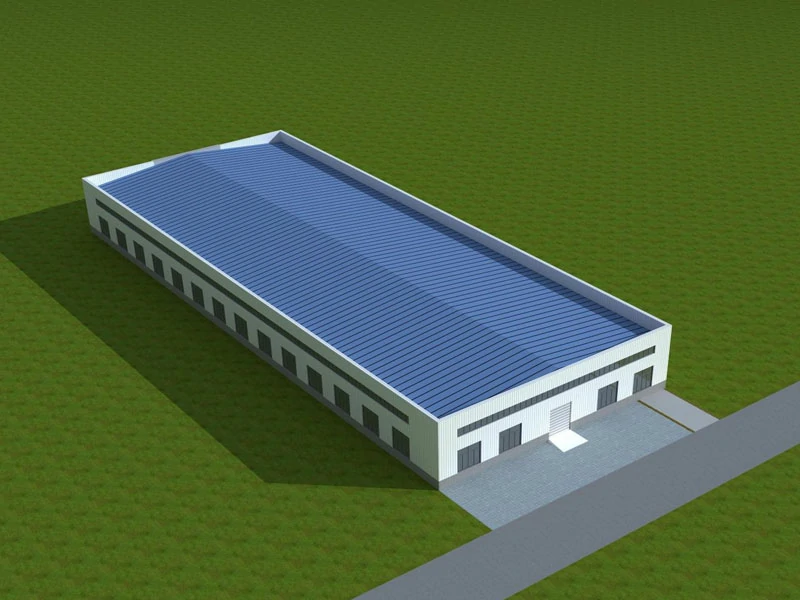
The factory layout can be designed according to the available project space.
For applicable granulation projects, LANE can provide raw material testing.
Small-scale projects can be configured from approximately 0.5 TPH to 3 TPH.
Customers can visit the factory or arrange a video inspection before shipment.
LANE can assist with transportation arrangements or coordinate with the customer’s own freight forwarder.
Both online technical guidance and on-site engineer services are available.
All LANE equipment is covered by a 5-year warranty.
Customers can continue to receive technical support throughout the operation of their fertilizer production line.
Before purchasing equipment, it is helpful to answer several questions.
Start with the materials that are locally available.
Your fertilizer production process should be designed around the characteristics of these materials.
Do you want to produce:
The final product determines the production process.
A larger capacity is not always better.
The ideal capacity should match:
A 1 TPH fertilizer production line may be sufficient for one project, while another customer may need 3 TPH.
Higher automation can reduce manual operation, but it may also increase the initial investment.
The appropriate automation level depends on the customer’s budget, labor availability and production requirements.
The factory layout should be considered before equipment manufacturing.
Providing your available workshop dimensions can help avoid installation problems later.
To receive a preliminary recommendation for a small scale fertilizer production line, you can send the following information:
You do not need to have every detail prepared.
The more information you can provide, the more accurately the LANE team can recommend an appropriate solution.
At LANE, small-scale fertilizer projects commonly range from approximately 0.5 TPH to 3 TPH.
The appropriate capacity depends on your raw material supply, market demand, investment budget and operating schedule.
Yes.
A 0.5 TPH production line can be suitable for smaller farms, new fertilizer businesses and projects with limited initial production requirements.
The equipment configuration will depend on the raw materials and the final fertilizer product.
Depending on the production process, fertilizer equipment can be designed for materials such as:
Contact LANE with information about your specific materials for a more detailed recommendation.
As a general reference:
The final price depends on the equipment configuration and project requirements.
For a typical small fertilizer production line, manufacturing generally takes approximately 30–45 days.
Larger fertilizer projects may require around three months.
The final production schedule depends on the equipment configuration and customization requirements.
A factory visit is not mandatory.
Customers can visit the factory before or after signing the contract.
If visiting in person is not convenient, LANE can also arrange equipment inspection through video communication.
Yes.
LANE can provide a free CAD layout and free 3D production line design based on the project requirements and available factory space.
For applicable fertilizer granulation projects, LANE provides free raw material granulation testing.
This can help evaluate the granulation process and support equipment selection.
Yes.
LANE can assist customers with international transportation arrangements through long-term freight forwarding partners.
Customers can also use their own freight forwarder.
Available shipping arrangements may include container shipping, bulk shipping or partial shipment, depending on the project.
Yes.
LANE can provide:
Online technical guidance is provided free of charge. Overseas on-site engineer service is charged separately according to the service period.
LANE provides:
Every fertilizer project starts with a different set of conditions.
You may have chicken manure from a poultry farm, agricultural waste from a plantation, mineral powder for compound fertilizer production or another locally available material.
You may want to start with 0.5 TPH, build a 1 TPH fertilizer production line, or develop a larger 3 TPH small-scale fertilizer plant.
The first step is understanding what you have and what you want to produce.
Tell LANE:
Our team can help you evaluate the project and provide:
Free quotation + Free equipment configuration + Free 3D design + Free CAD layout + Free granulation testing
Send us your project requirements through the inquiry form, and our team will contact you with a preliminary solution.
Send your raw material information, capacity requirements and project details directly to our sales team by email.
For faster project discussion, you can also communicate directly with our sales engineers through WhatsApp.
A successful fertilizer project begins with the right production process.
Contact LANE today and tell us what raw materials you have, how much fertilizer you want to produce and what final product you plan to sell.
We will help you move from an initial idea to a customized fertilizer production solution.