For many farms, organic waste is an unavoidable part of daily production. Poultry farms generate chicken manure, cattle farms produce large quantities of cow manure, insect farms generate insect frass, while agricultural and palm processing operations produce crop residues and other organic by-products.
Instead of treating these materials only as waste, farmers can turn them into valuable organic fertilizer.
Farm organic fertilizer production provides a practical way to recycle farm waste, reduce fertilizer costs, improve resource utilization, and potentially create an additional source of income. However, not every farm needs the same production system. A poultry farm processing several tons of manure per day may require a different solution from a small insect farm or a palm plantation.
The right approach depends on the raw material, moisture content, available waste volume, desired fertilizer form, production capacity, and whether the fertilizer will be used on the farm or sold commercially.
If you are a farmer looking for organic fertilizer solutions, this article will help you understand the principles behind organic fertilizer production on farms, the equipment that may be required, and how actual farms have developed various fertilizer production solutions.
Farm organic fertilizer production starts with a simple question:
What can be done with the organic waste already generated by the farm?
For farms with a continuous supply of manure or agricultural residues, processing this material into fertilizer can provide several benefits.
Chicken manure, cow manure, insect frass, straw, and other organic residues can accumulate quickly. Proper composting and processing can transform these materials into a more manageable fertilizer product.
Farm-produced organic fertilizer can be used on fields, pastures, orchards, and other agricultural areas. This can reduce dependence on externally purchased organic fertilizers.
Instead of removing organic matter from the farm, nutrients can be returned to agricultural production through compost and organic fertilizer.
When farm organic fertilizer production is developed beyond internal use, the finished fertilizer can potentially be packaged and sold to nearby farms, growers, nurseries, or agricultural distributors.
For some farms, organic waste is not only a disposal problem. It can become a raw material for a small-scale fertilizer business.
This is especially relevant for livestock farms, poultry farms, insect farms, and agricultural processing operations that generate organic residues continuously.
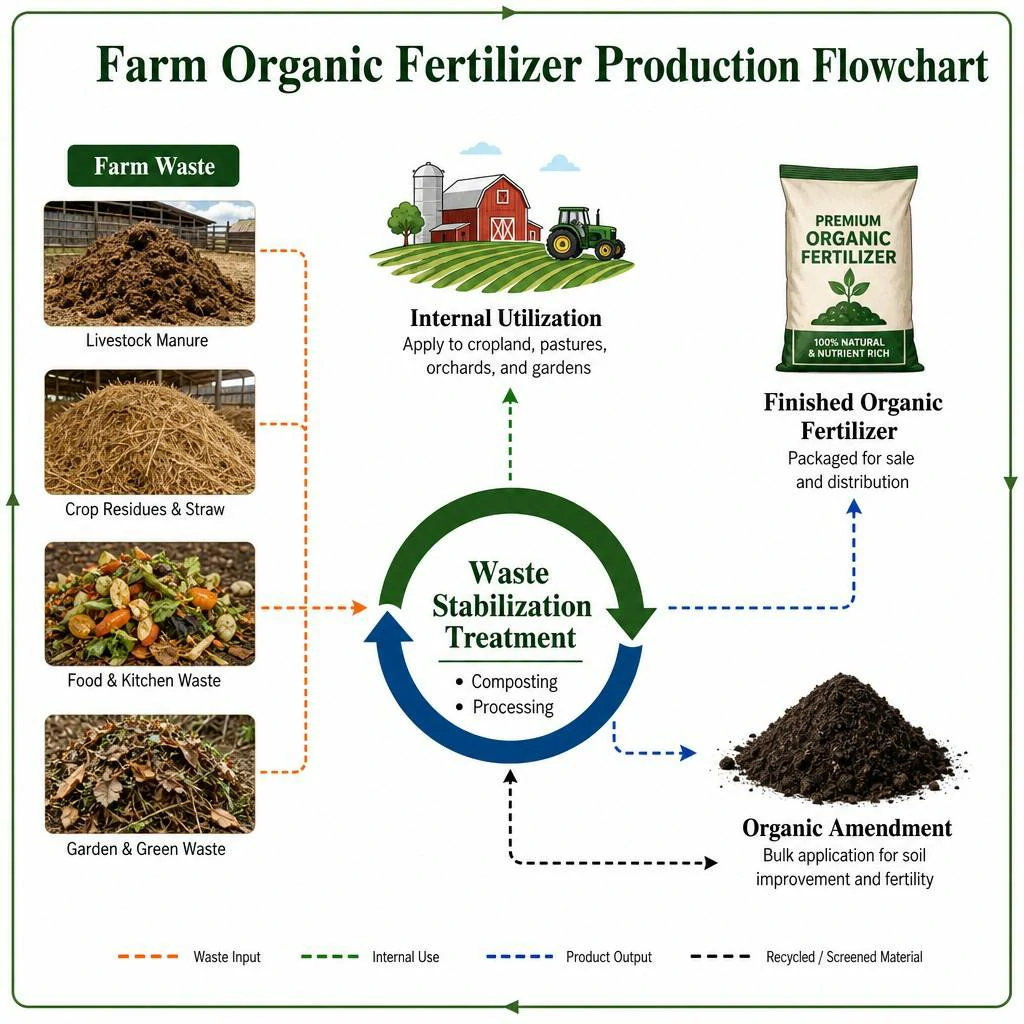
There is no single raw material for farm organic fertilizer production. Different agricultural operations generate different types of organic materials.
Common materials include:
Animal manure is commonly used as a raw material for compost and organic fertilizer, but its moisture content and physical characteristics can vary considerably.
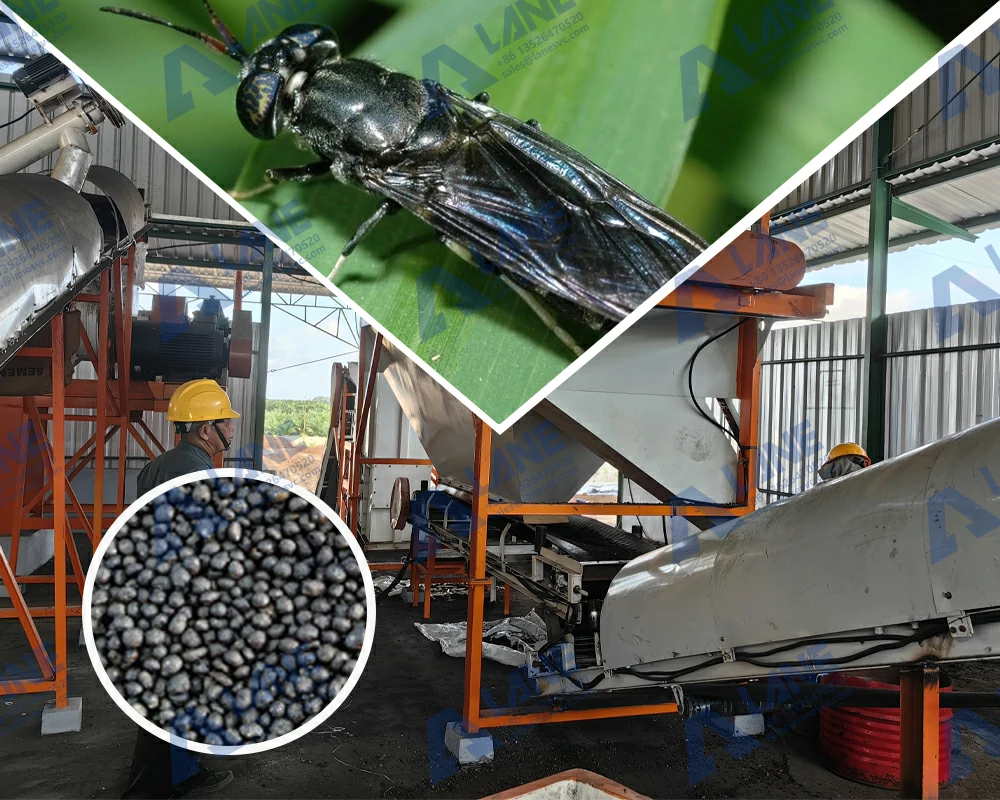
Black soldier fly farms and other insect production facilities can generate insect frass, which can be processed into organic fertilizer products.
The processing method depends on the characteristics of the frass, its moisture content, and the desired final fertilizer form.
Crop and agricultural residues can include:
These materials often require size reduction before they can be effectively mixed and composted with other organic materials.
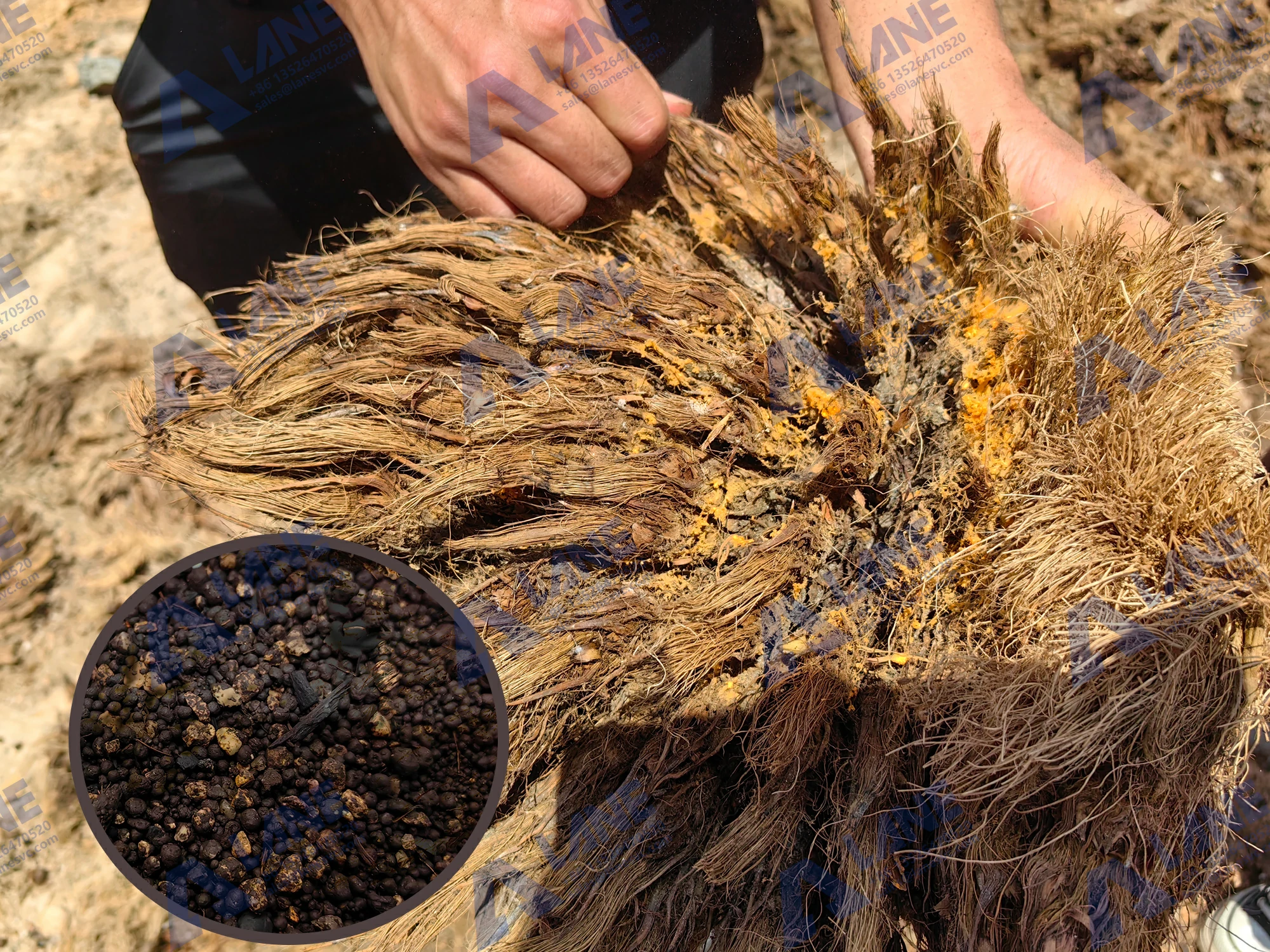
Palm plantations and palm oil processing operations can generate organic by-products such as palm fiber and other plant residues.
With appropriate processing, these materials can become part of an agricultural waste recycling and organic fertilizer production line.
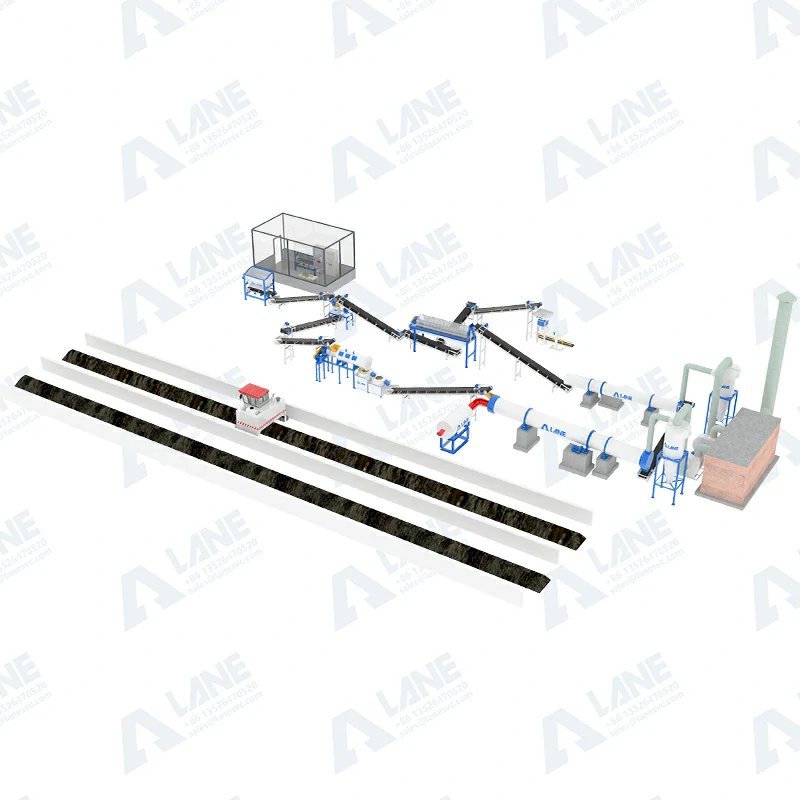
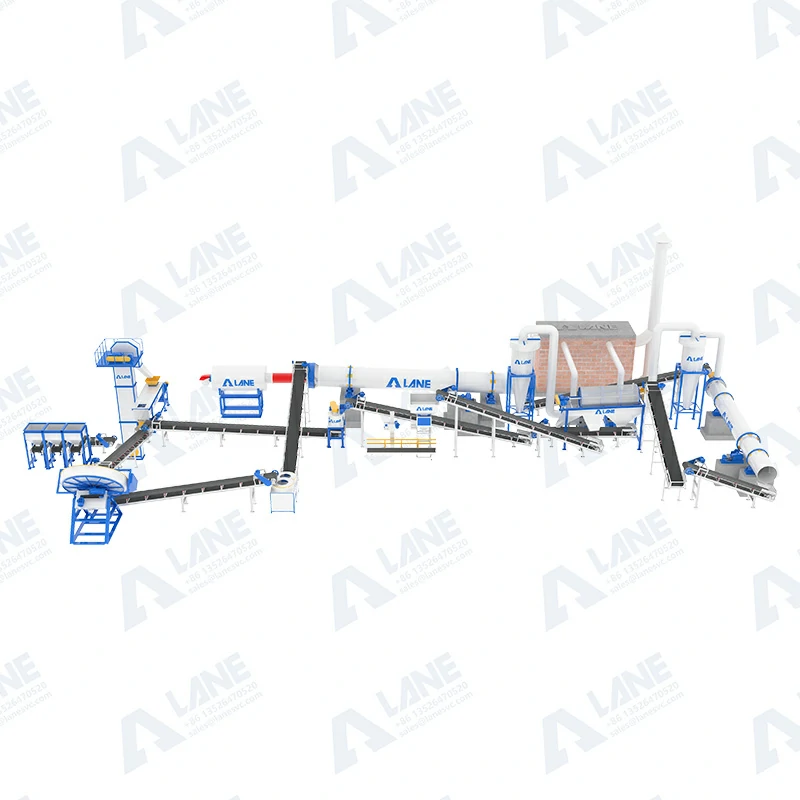
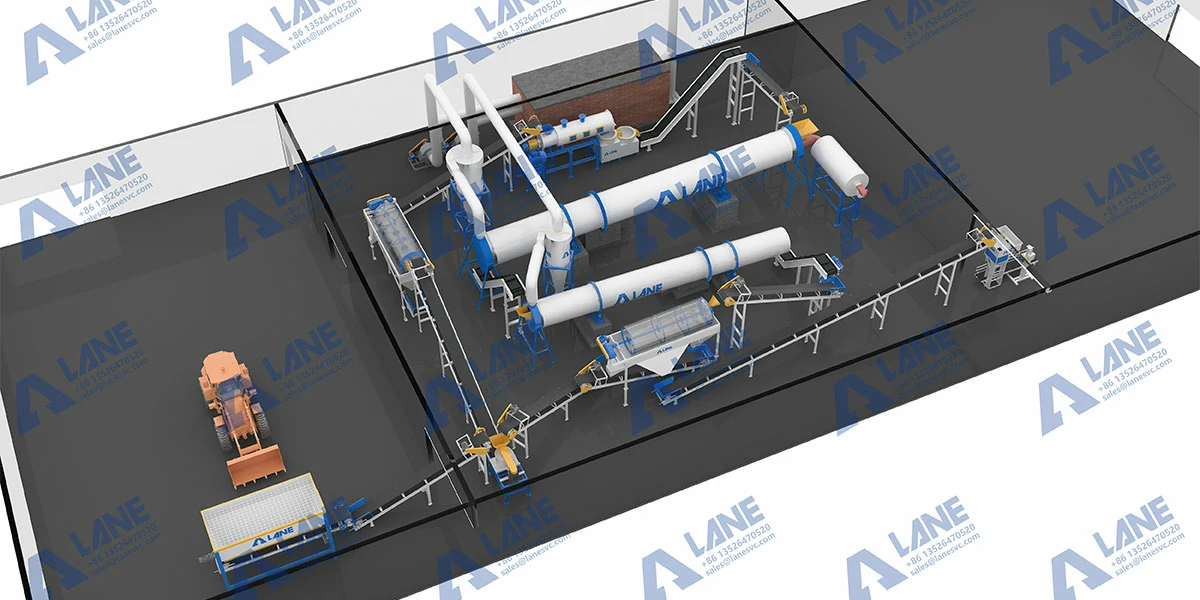
The production process depends on the raw material and final product. A typical farm organic fertilizer production process may include:
Raw Material Preparation → Composting or Fermentation → Crushing → Mixing → Granulation → Drying → Cooling → Screening → Packaging
However, this does not mean every farm needs all of these steps.
A farm producing compost for its own fields may only need a composting system and basic screening equipment. A farm producing commercial granular fertilizer will generally require additional processing and finishing equipment.
The first step is to evaluate and prepare the available organic materials.
Important factors include:
For example, straw or other fibrous residues may need to be crushed before mixing and composting.
Fresh manure and other organic materials normally need biological treatment before they are converted into a stable fertilizer product.
Composting helps stabilize organic materials and reduce the volume of easily degradable matter.
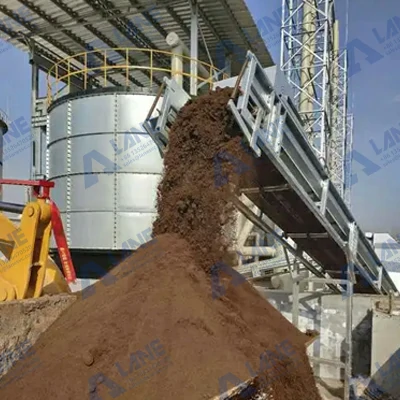
For farms with large quantities of manure, a compost turner can be used to regularly turn the material and improve aeration and mixing.
The required composting time is not necessarily the same for every material. It depends on factors such as moisture, aeration, temperature, raw material composition, and management conditions.
After composting, the material may contain lumps or particles that are too large for subsequent processing.
A fertilizer crusher can break the material into a more uniform size and improve the feeding and mixing performance of the downstream equipment.
For straw and other fibrous agricultural residues, a dedicated straw crusher or biomass crusher may be required.
If multiple raw materials are used, a mixer can help achieve a more uniform fertilizer composition.
For example, a farm may combine:
Chicken manure + composted crop residues + other organic materials
before granulation.
Mixing also becomes important when the farmer wants to adjust the nutrient composition of the finished fertilizer.
If the goal is to produce granular organic fertilizer, the composted and prepared material can be processed through an organic fertilizer granulator.
Granulation changes loose organic material into a more convenient fertilizer form that can be easier to handle, transport, store, and package.
Different granulators are suitable for different raw materials, moisture levels, production capacities, and desired particle shapes.
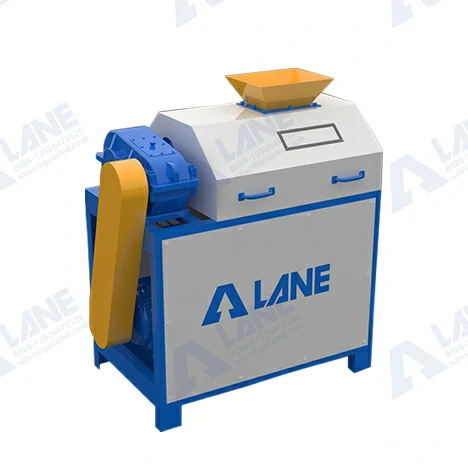
For example, flat-die granulators can be used for certain small-scale organic fertilizer production lines, while larger commercial projects may use other granulation technologies.
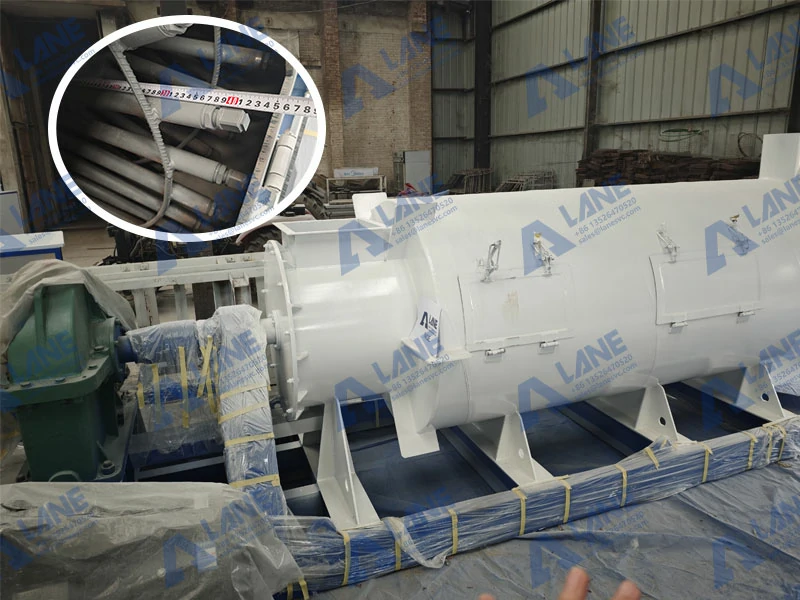
Depending on the granulation method and raw material moisture, the fertilizer may require drying and cooling after granulation.
Drying reduces excess moisture, while cooling helps stabilize the finished granules before screening and packaging.
Not every small farm requires a large drying system. The actual configuration should be determined by the raw material and production requirements.
A screening machine separates oversized and undersized particles from qualified fertilizer granules.
Oversized material can often be returned for crushing or reprocessing, while qualified particles proceed to the next stage.
Screening is particularly important for commercial fertilizer production because customers generally expect a relatively uniform product size.
The final fertilizer can be packed into bags according to the intended market.
For farm use, simple packaging may be sufficient. For commercial sales, automatic or semi-automatic fertilizer packing equipment can improve consistency and handling efficiency.
Not necessarily.
This is one of the most important decisions for a farm starting organic fertilizer production. At LANE Heavy Industry Technology, we don’t push you to buy an expensive commercial-grade organic fertilizer production line just to make a sale. All our services are based on your actual needs, and we provide the most suitable solution within your budget.
The equipment configuration should match the actual objective.
If the main goal is to process manure and produce fertilizer for use on your own farm, a relatively simple system may be sufficient:
Composting → Crushing → Screening
Farmers may not need granulation, drying, coating, or automated packaging. To put it simply, the cost of such a small-scale farm organic fertilizer production system ranges from approximately $10,000 to $30,000.
If the farm wants to produce a standardized fertilizer product for local sales, additional equipment may be required:
Composting → Crushing → Mixing → Granulation → Screening → Packaging
This configuration is suitable for many small and medium-sized agricultural projects. If you plan to gradually expand your production capacity, this configuration will be ideal for you.
For larger production capacity and commercial distribution, the system may include:
Composting → Crushing → Mixing → Granulation → Drying → Cooling → Screening → Coating → Packaging
Additional automation, material handling, and electrical control systems can be incorporated according to the project scale.
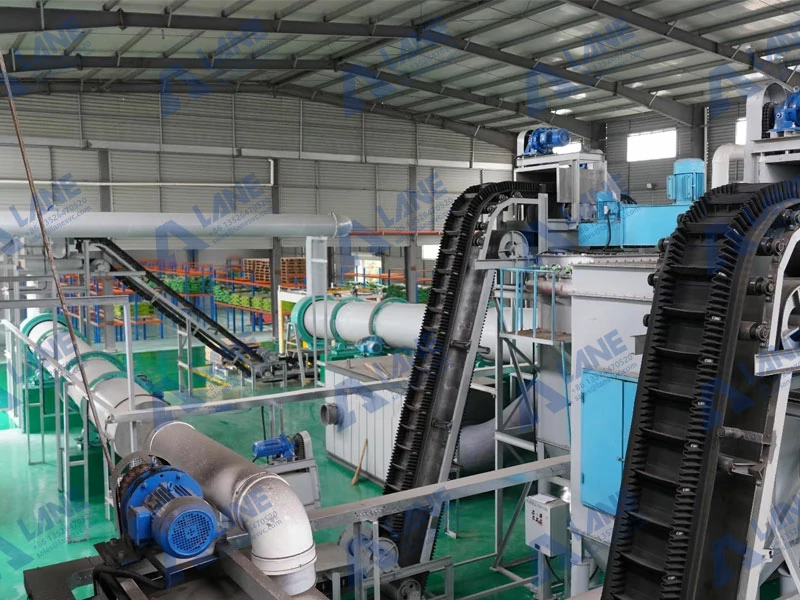
Different farms require different equipment configurations.
Chicken manure and cattle manure may contain a large amount of moisture. Therefore, composting for safety and proper moisture management are crucial before further processing.
Recommended Equipment: Rotary fermentation tank, windrow compost turner, manure dewatering machine, etc.
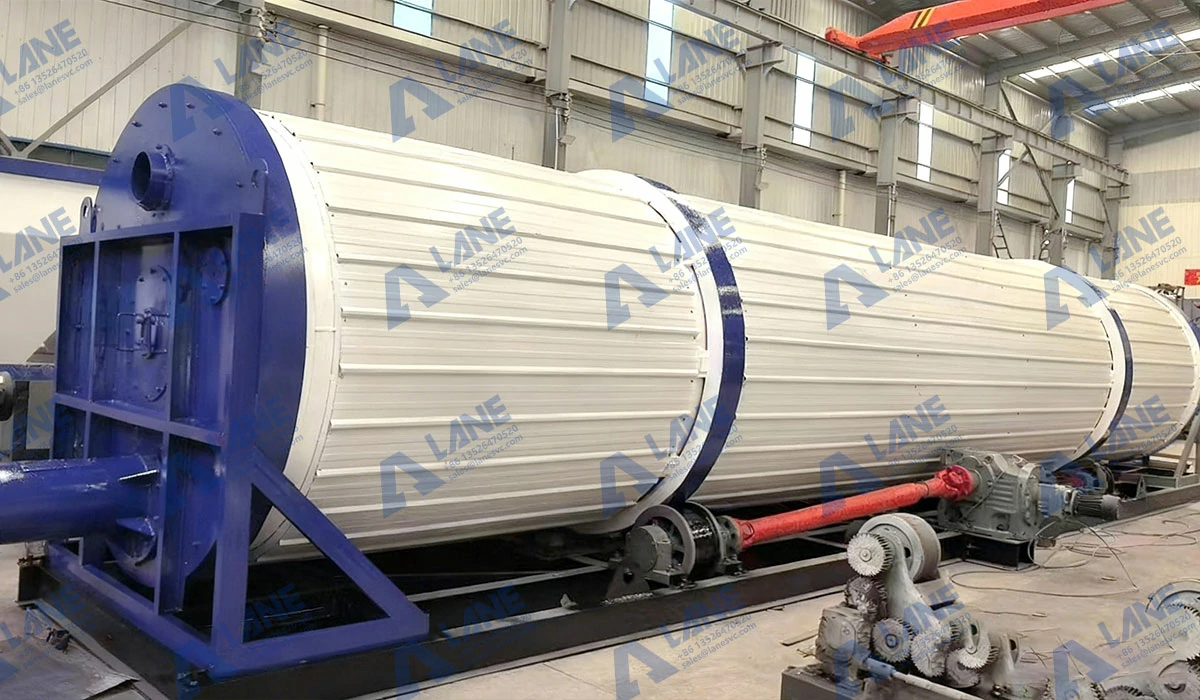
Straw, palm fiber, and similar materials may require crushing before they can be mixed and processed efficiently.
Recommended equipment: Straw shredder, twin-shaft shredder, etc.
When the final product needs to be produced in granular form, a suitable organic fertilizer granulator is required to efficiently granulate the organic raw materials and reduce the rework rate for substandard granules.
Recommended equipment: New-type organic fertilizer granulators, 2-in-1 granulator, etc.
Farmers may prefer a compact production system with fewer machines and lower initial investment.
A larger organic fertilizer production line may require:
The best equipment configuration depends on the raw material and project requirements rather than simply the farm size.
One of the best ways to understand farm organic fertilizer production is to look at how different agricultural businesses have approached their own waste streams.
An Australian poultry farm with approximately 50,000 chickens needed to process around 5 tons of chicken manure per day.
Instead of treating the manure simply as waste, the farm developed a small-scale organic fertilizer production line.
The project included equipment such as:
The basic production concept was:
Chicken Manure + Agricultural Residues → Composting → Crushing → Granulation → Granular Organic Fertilizer
The project demonstrates that a poultry farm does not necessarily need to start with a large industrial fertilizer plant.
When the primary objective is to handle daily manure production and produce useful fertilizer, a properly configured small-scale system can provide a practical starting point.
A black soldier fly farm in Vietnam had a different type of raw material: insect frass generated during insect production.
Because insect frass has different physical characteristics from conventional livestock manure, the organic fertilizer production system was configured accordingly.
The project included:
The production concept was:
Insect Frass → Fermentation → Granulation → Cylindrical Organic Fertilizer
The final product was a cylindrical organic fertilizer pellet.
This case demonstrates an important principle:
The same fertilizer production goal can require different equipment depending on the raw material.
A system designed for chicken manure should not automatically be copied for insect frass.
An Indonesian palm plantation project used organic by-products generated during palm oil processing, including palm fiber and other palm-related residues, as raw materials for farm organic fertilizer production.
This type of project is different from conventional manure processing because fibrous agricultural residues can require additional size reduction and conditioning before further processing.
The project demonstrates another opportunity:
Agricultural Processing Waste → Organic Fertilizer
For large agricultural operations, recycling processing residues into fertilizer can create a closed-loop resource utilization model.
Instead of transporting organic residues away from the production site, the material can potentially be processed into fertilizer for agricultural use or further commercial development.
An Iraqi cattle farm oragnic fertilizer production project focused on another common agricultural waste stream: cow manure.
Cow manure can be processed through composting and subsequent fertilizer production steps depending on its moisture, composition, and the desired final product.
A typical process may include:
Cow Manure → Composting → Crushing → Granulation → Screening → Packaging
This type of project is particularly relevant to cattle farms that generate manure continuously and need a practical long-term manure management solution.
Since you haven’t ventured into organic fertilizer production yet, you may be unsure whether this investment will actually be profitable. We understand that this is a concern for many farmers, and we empathize with your feelings. After all, the investment in equipment is only part of the equation; there are many other areas that require investment to ensure smooth production.
We are proud to report that over the past three years, all farms partnering with LANE have recouped their costs in less than two years, begun generating consistent profits, and plan to continue expanding their production scale.
Farmers often make the mistake of thinking that starting farm organic fertilizer production means immediately investing in a complete fertilizer production plant.
In practice, production can grow gradually.
The first objective is to stabilize and process farm waste.
Farm Waste → Compost
The fertilizer may be used directly on the farm.
Once the farm has a stable supply of raw materials and demand for a standardized fertilizer product, additional equipment can be added.
Compost → Crushing → Mixing → Granulation → Screening
As production increases, the farm can develop a more complete production system.
Raw Materials → Composting → Crushing → Mixing → Granulation → Drying → Cooling → Screening → Packaging
This gradual approach allows farmers to match investment with actual production demand.
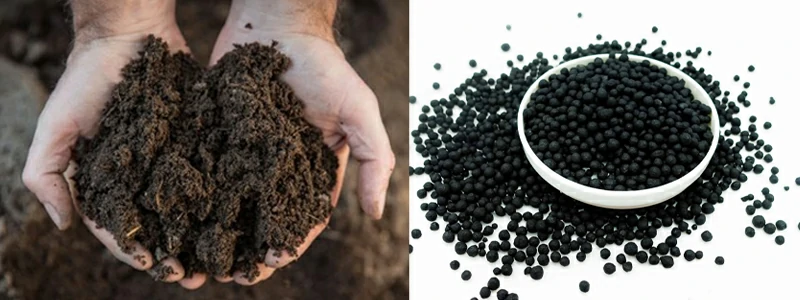
There is no single price for a farm organic fertilizer production line.
The investment depends on several factors:
For example, a farm producing compost only for its own fields may require a relatively simple setup.
A commercial project producing several tons of granular fertilizer per day may require a much more complete organic fertilizer production line.
Therefore, it is usually more practical to design the production line according to the actual project requirements rather than selecting equipment based only on a standard price list.
If you are considering turning farm waste into organic fertilizer, start with the following questions.
Identify whether you have:
Daily waste processing capacity is one of the most important factors in selecting equipment. Please let us know the amount of organic waste your farm produces each day, and we will recommend a suitable model for you.
Moisture content significantly affects the composting, crushing, mixing, and pelletizing processes. If you are unsure of the moisture content of your raw materials, we can provide a moisture meter, or you can mail the materials to us so we can test them and issue a report.
Decide whether you need:
This determines how much emphasis should be placed on granulation, screening, packaging, product consistency, and automation.
Start with your actual daily demand instead of choosing the largest available machine.
Once the raw material, capacity, and fertilizer type are known, the production process and equipment configuration can be determined.
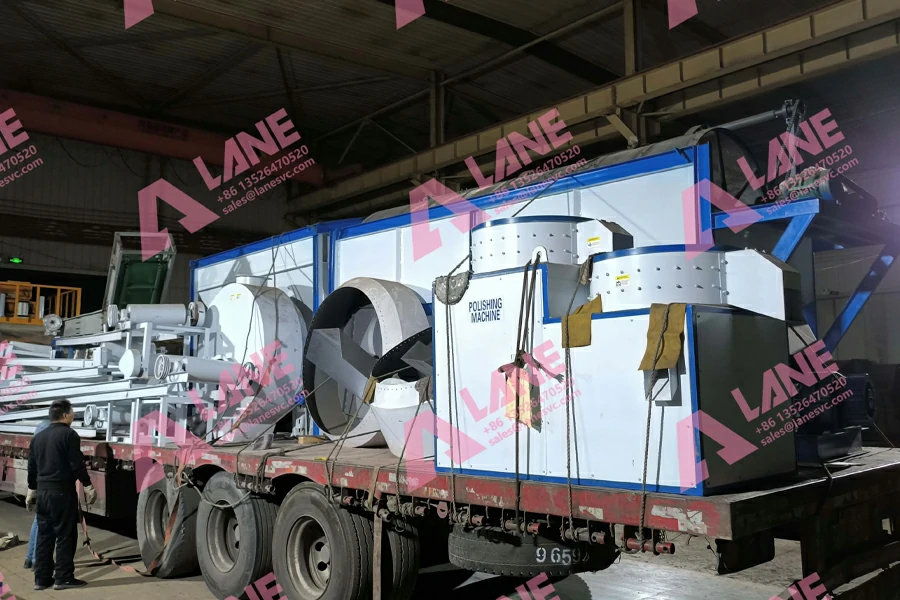
There is no universal solution for farm organic fertilizer production.
A poultry farm processing 5 tons of chicken manure per day may need a different system from a black soldier fly farm processing insect frass. A palm plantation may require a different approach again because its raw materials are primarily agricultural processing residues.
The common principle is:
Farm Waste → Proper Treatment → Fertilizer Processing → Valuable Agricultural Product
Whether your goal is simply to manage manure, reduce fertilizer purchasing costs, produce fertilizer for your own farm, or establish a small commercial fertilizer business, the production system should be designed around your actual raw materials and production goals.
With experience in poultry manure, cow manure, insect frass, palm residues and other agricultural materials, LANE Heavy Industry can help design a farm organic fertilizer production solution based on your specific project conditions.
To discuss your project, provide the following information:
A customized process and equipment configuration can then be developed for your farm.