author: Zero Shen
from: LANE Machinery Groups
Australia has one of the world’s most developed poultry industries, producing millions of tons of chicken manure every year. While chicken manure is rich in nitrogen, phosphorus, potassium, and organic matter, improper disposal can create serious environmental problems such as odor, groundwater contamination, greenhouse gas emissions, and nutrient runoff.
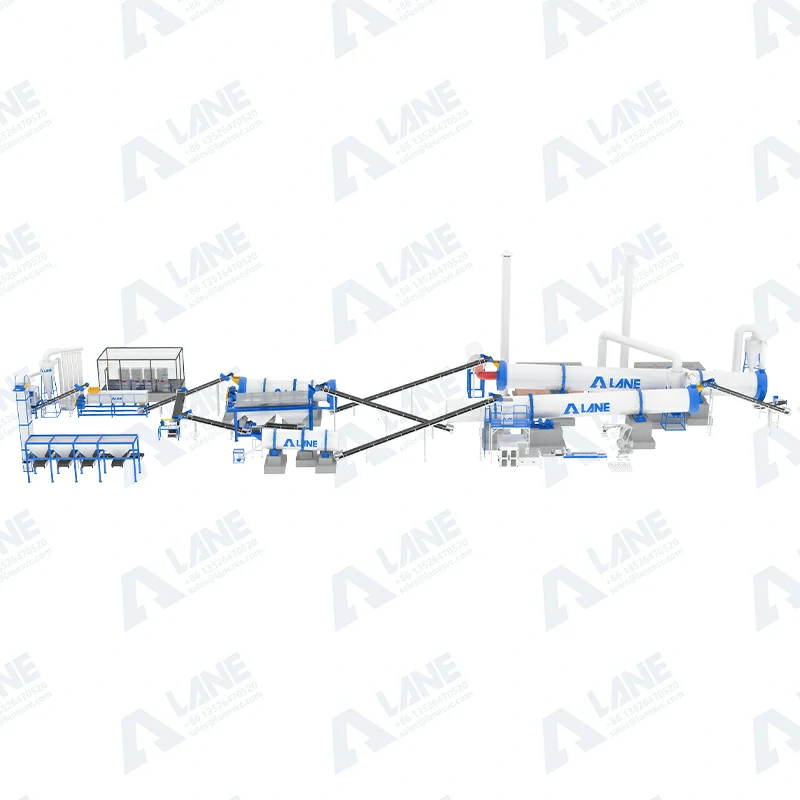
As environmental regulations become stricter and the demand for sustainable agriculture continues to increase, more Australian poultry farms and fertilizer manufacturers are investing in chicken manure organic fertilizer production lines. These complete production systems convert poultry waste into high-quality organic fertilizer pellets that are easy to store, transport, and sell.
LANE Heavy Industry provides complete turnkey solutions for customers in Australia, offering customized organic fertilizer production lines ranging from 1-20 T/H, including process design, equipment manufacturing, installation, commissioning, and after-sales technical support.
Chicken manure contains significantly higher nutrient levels than many other types of livestock manure. It is especially rich in:
After proper composting and granulation, chicken manure becomes an excellent organic fertilizer suitable for:
Compared with raw manure, granulated organic fertilizer offers several advantages:
Many factors are driving the growing demand for organic fertilizer production equipment in Australia.
Australia is home to thousands of commercial poultry farms, primarily concentrated in New South Wales, Victoria, Queensland, and South Australia.
These large-scale poultry farms produce thousands of metric tons of chicken manure annually. If this manure is not put to use, it requires significant additional effort and expense to dispose of. As a result, there is strong demand among many farmers for waste recycling solutions.
Under local regulations, Australian environmental authorities encourage farms to recycle agricultural waste rather than dispose of chicken manure through landfilling or uncontrolled dumping; serious violators face penalties.
The chicken manure fertilizer production line provided by Lane can convert this waste into fertilizer with low emissions. This not only helps farms comply with environmental regulations but also creates an additional source of income. An increasing number of forward-thinking farmers are reaching out to us, hoping to collaborate.
Across Australia, consumer demand for organic food continues to grow.
Organic fruit growers, vineyards, vegetable farms, and horticultural businesses are increasingly using granular organic fertilizer to naturally enhance soil fertility. As the market value and demand for organic fertilizer continue to rise, it represents an excellent investment opportunity.
Australia actively promotes sustainable agriculture and the recycling of agricultural waste. Projects that process chicken manure into organic fertilizer have significantly advanced the circular economy on farms.
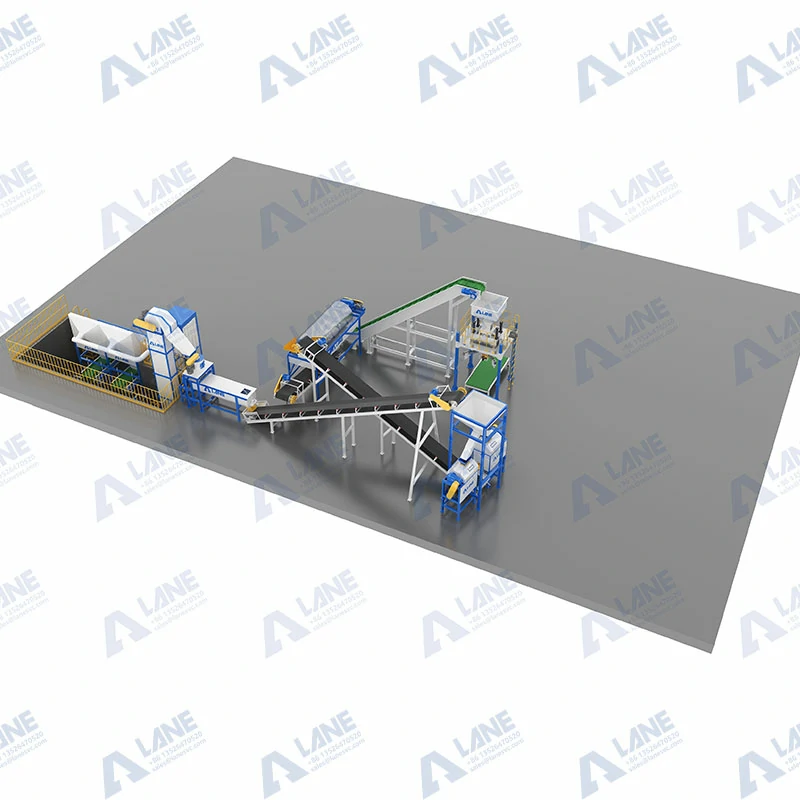
At LANE, we can fully customize projects according to our clients’ requirements and budgets to achieve the desired pellet quality. We provide all equipment and components to ensure a complete delivery. In most cases, a standard chicken manure fertilizer production line typically includes the following steps.
Step 1: Raw Material Collection
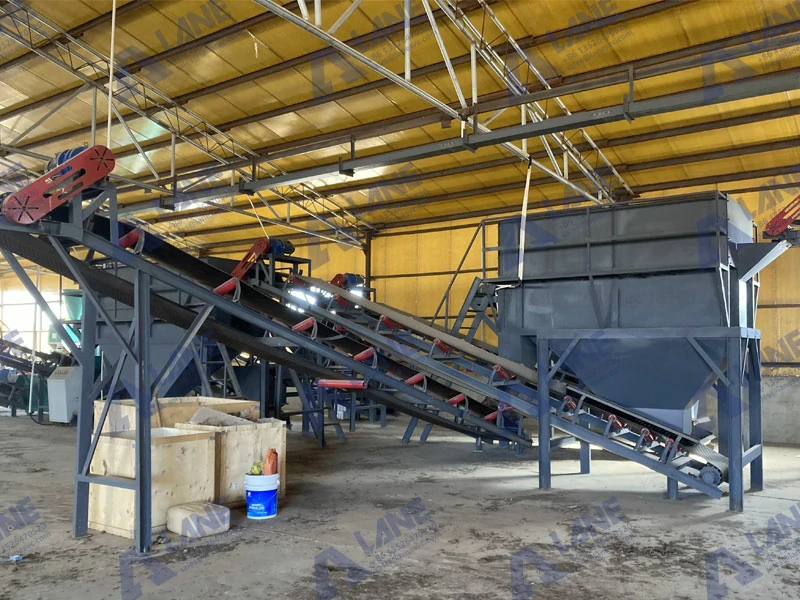
If you are collecting fresh chicken manure directly from poultry farms, we will design a manure collection system, conveyor system, silos, and other equipment for you, helping you save on labor costs.
In addition to chicken manure as the raw material, other organic materials can be mixed in, including:
These materials help optimize the carbon-to-nitrogen ratio during the composting process. Of course, we provide free formulation testing services to ensure the feasibility of the designed solution.
Step 2: Composting and Fermentation
Because fresh chicken manure has excessively high moisture content and may contain harmful substances, it cannot be pelletized directly.
Aerobic composting must be carried out first to achieve the following objectives:
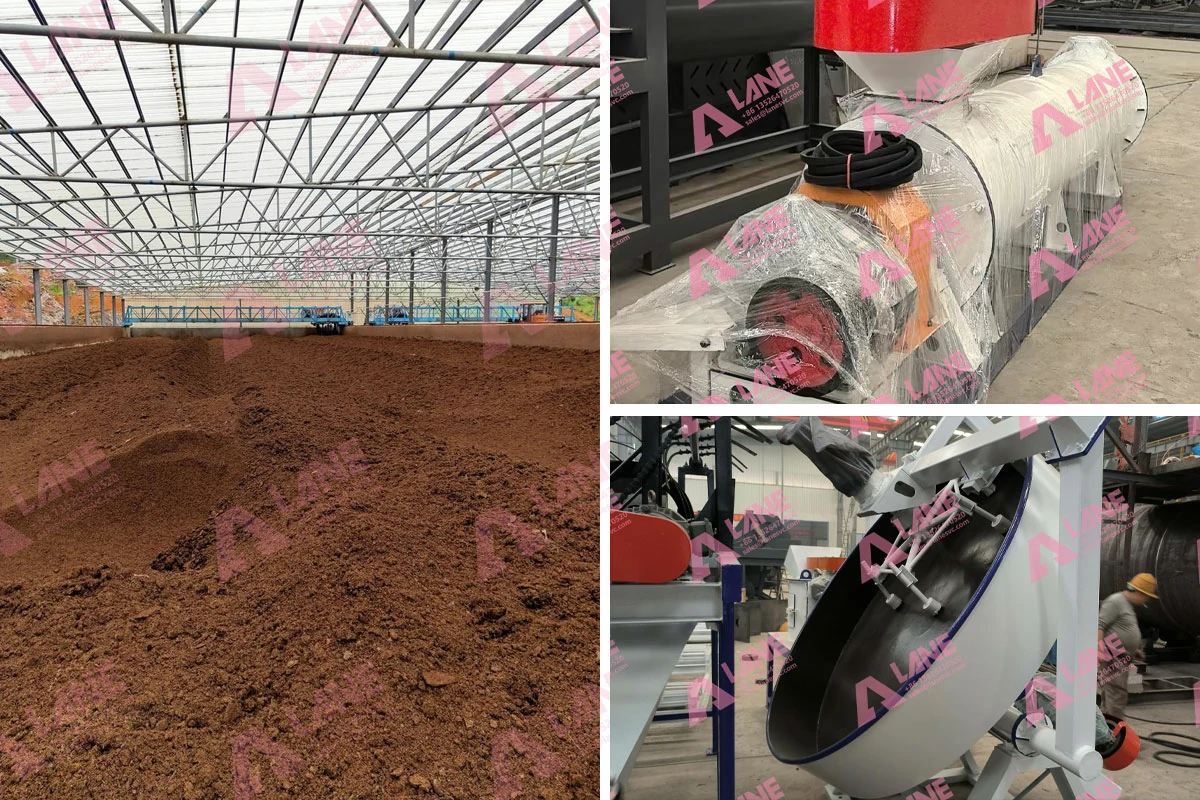
At this stage, customers can choose between fermentation tanks or compost turners based on their specific needs; both composting methods have their own advantages. Professional composting equipment accelerates the fermentation process by supplying oxygen and maintaining a uniform temperature.
Depending on climatic conditions, the composting process typically takes 7–15 days.
Step 3: Crushing
Once composting is complete, the organic material is ground into a fine powder.
Uniform particle size ensures better mixing and higher pelletizing efficiency.
Step 4: Mixing
To enhance fertilizer efficacy, you may opt to add 5%–20% of other ingredients, including:
A twin-shaft mixer blends the raw materials and additives into a uniform mixture prior to granulation.
Step 5: Granulation
Granulation is the core process in a chicken manure organic fertilizer production line.
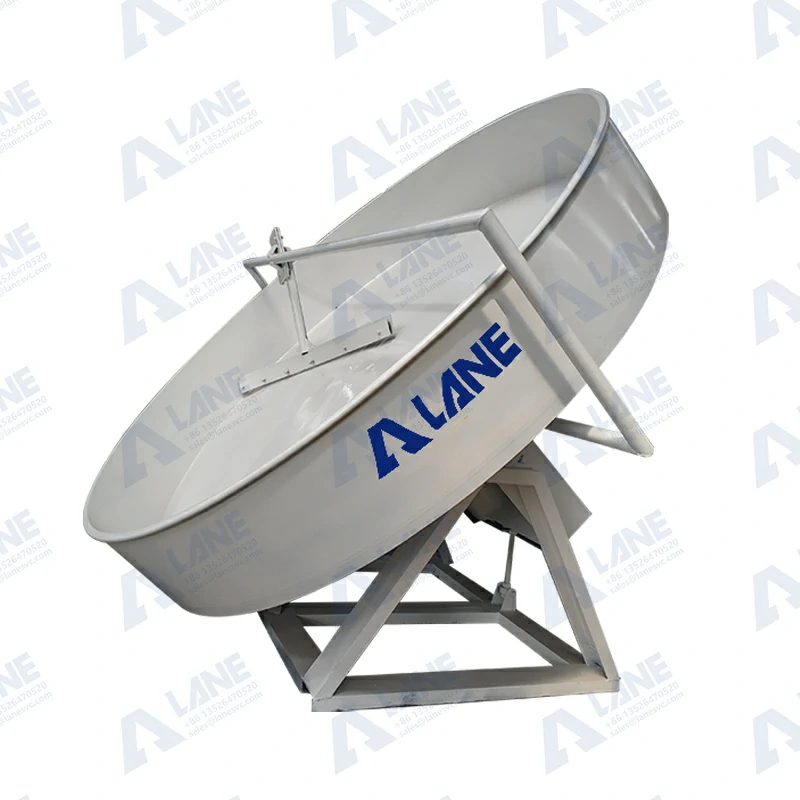
LANE offers a variety of granulator options to meet different production needs.
New Type Organic Fertilizer Granulator
Suitable for:
Advantages include:
Suitable for:
Step 6: Drying
Fresh pellets typically have excessively high moisture content.
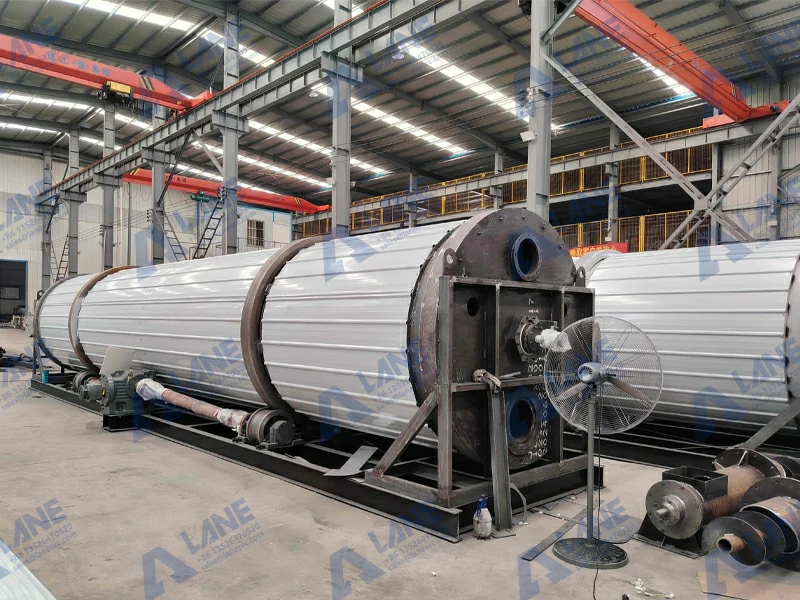
Rotary dryers reduce moisture to the desired storage level.
Advantages include:
Step 7: Cooling
Chicken Manure Pellets exiting the dryer are at a high temperature, typically exceeding 70°C.
Cooling improves product strength and prevents moisture condensation during packaging.
Step 8: Screening
LANE customizes screens of various specifications according to customer requirements. The rotary screen separates the material into qualified particles, oversized particles, and unqualified fine particles or powder, which are discharged through separate outlets.
Unqualified material is automatically recovered and reintroduced into the production process.
Step 9: Coating
The rotary coater applies a protective coating that serves the following purposes:
Step 10: Automatic Packaging
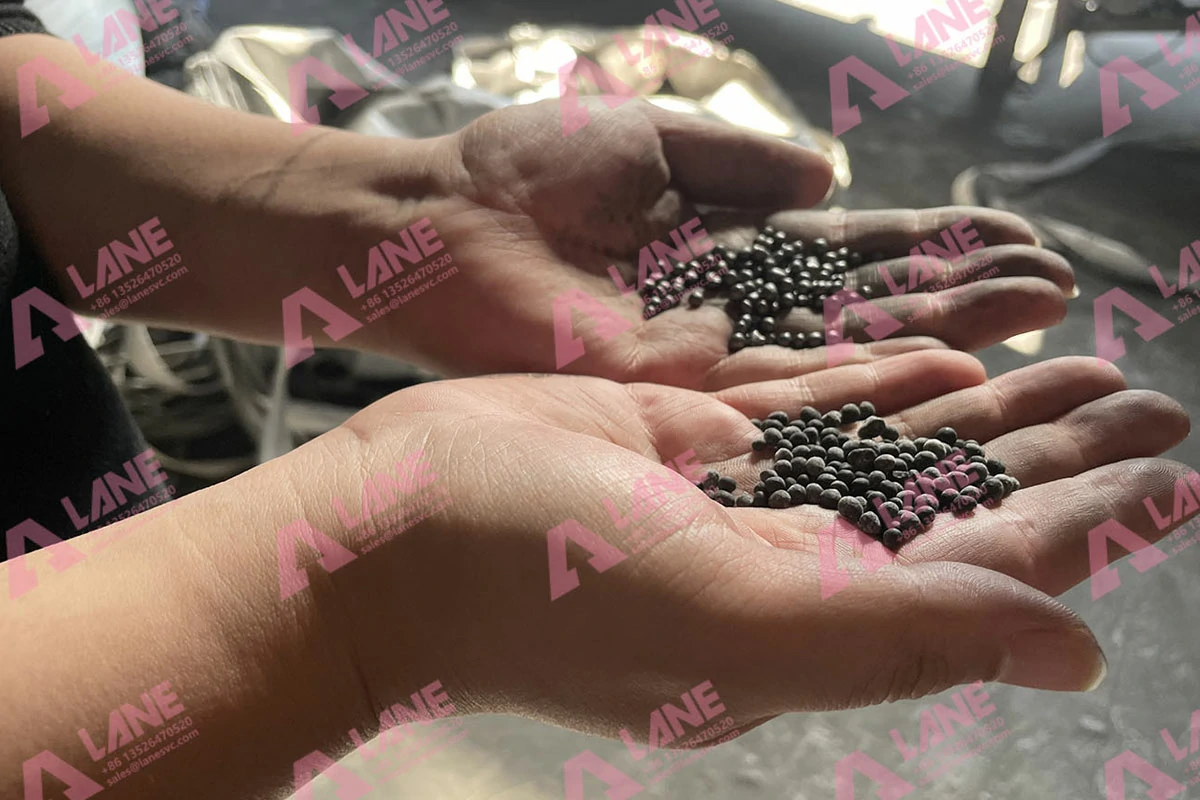
Qualified granules enter the hopper of the fully automatic packaging machine. The electrical control cabinet can be configured for different weight specifications. Based on calculations from the weighing and metering systems, the finished fertilizer granules are packaged into:
Accuracy reaches up to 95%, with an error margin of no more than 100g.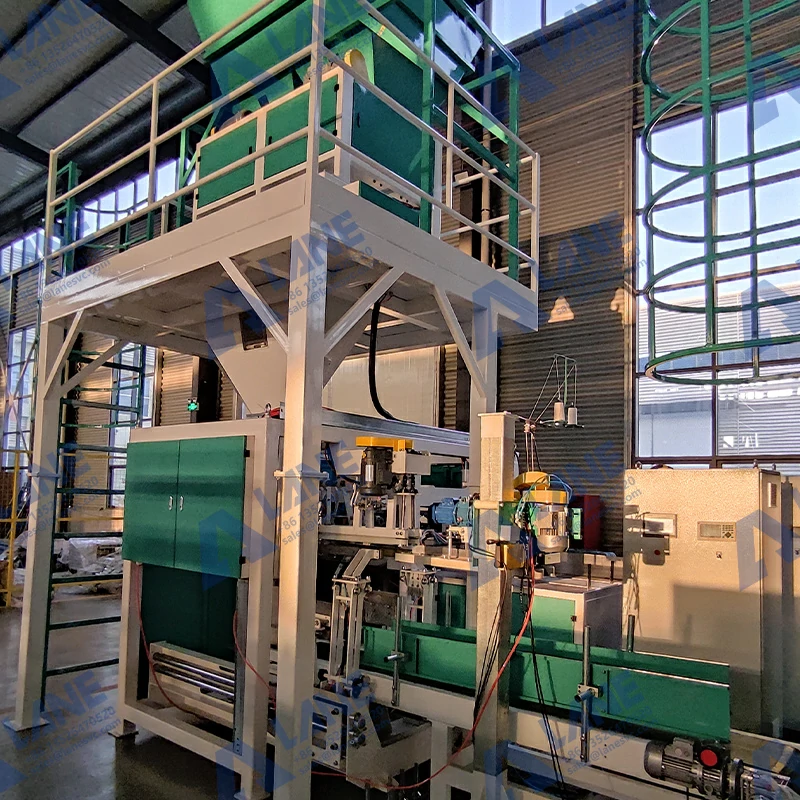
Each organic fertilizer production line can be customized based on the characteristics of your raw materials and the available factory space. Pricing is transparent, with no additional fees charged by any third-party companies.
| Capacity (T/H) | Annual Output (Tons) | Land Area (㎡) | Investment (USD) | Chicken Population |
|---|---|---|---|---|
| 0.5 | 3,600 | 800–1,500 | 18K–35K | 10K–20K |
| 1 | 7,200 | 1,500–2,500 | 35K–65K | 20K–40K |
| 2 | 14,400 | 2,500–4,000 | 65K–120K | 40K–80K |
| 3 | 21,600 | 4,000–6,000 | 120K–180K | 80K–120K |
| 5 | 36,000 | 6,000–10,000 | 180K–300K | 120K–250K |
| 8 | 57,600 | 10,000–15,000 | 300K–500K | 250K–400K |
| 10 | 72,000 | 15,000–20,000 | 450K–700K | 400K–600K |
| 15 | 108,000 | 20,000–30,000 | 700K–1M | 600K–1M |
| 20 | 144,000 | 30,000–40,000 | 1M–1.5M | 1M–2M |
Whether you are an experienced fertilizer manufacturer or a newcomer to the fertilizer production industry, we can provide you with the most suitable solution!
The complete chicken manure fertilizer production system usually includes:
Every component is carefully selected by LANE engineer to ensure stable operation and high production efficiency.
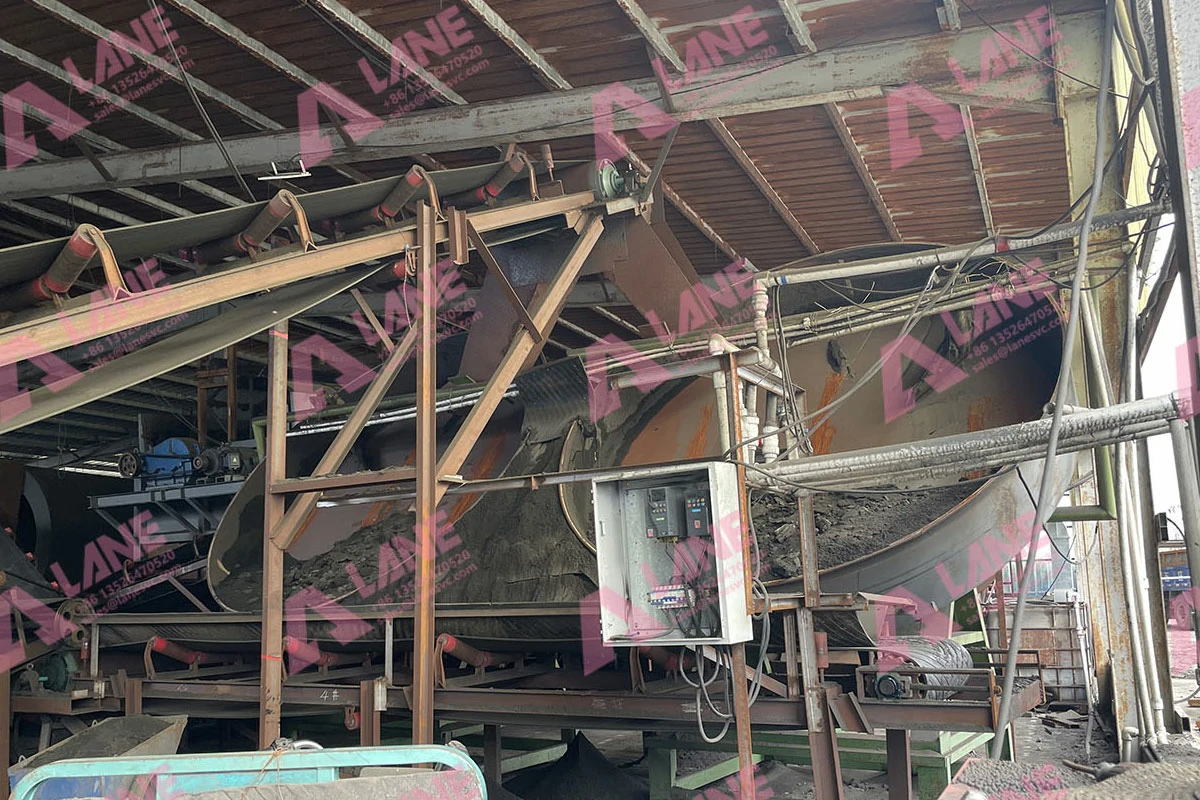
Compared to powdered compost and raw chicken manure, chicken manure pellets offer significant advantages.
Easier to Transport
Both powdered compost and raw chicken manure are prone to loss during transport and incur higher shipping costs, whereas pellets generate less dust during transport, improving efficiency and reducing costs.
Longer Shelf Life
Properly dried chicken manure pellets have a shelf life of about two years, whereas powdered compost and raw chicken manure are far less stable in terms of fertilizer efficacy and typically lose nutrients rapidly within just a few months.
Higher Market Value
Pelleted fertilizer is easier to package and sell, making it more popular among farmers.
Easier Application
Farmers can use modern fertilizer spreaders to apply pelleted fertilizer.
Better Nutrient Release
Organic pelleted fertilizer releases nutrients slowly and steadily, thereby improving fertilizer utilization.
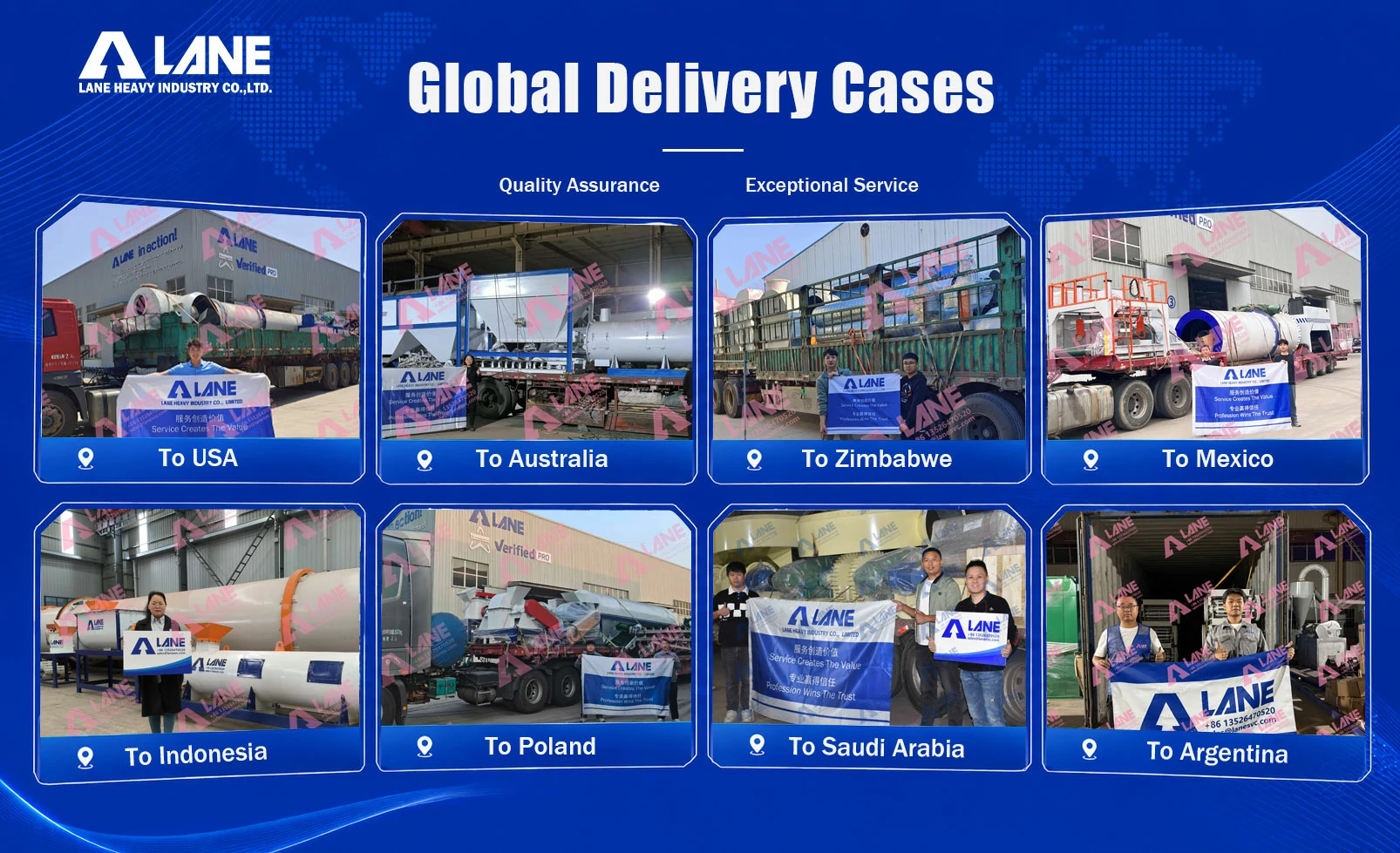
For many years, LANE has specialized in the manufacture of fertilizer machinery and has successfully provided fertilizer production line equipment and technical services to customers in more than 80 countries worldwide.
Our strengths include:
From raw material analysis to plant commissioning, LANE provides comprehensive technical support throughout the entire project lifecycle.

The carbon-to-nitrogen ratio of the finished chicken manure fertilizer pellets reaches 20:1. It provides readily available nitrogen to promote stem and leaf growth, and long-term, moderate application can improve soil structure, enhance photosynthesis, and increase stress tolerance. It is currently widely used in the cultivation of the following crops:
As farmers seek sustainable alternatives to chemical fertilizers, demand for organic fertilizers continues to grow across Australia.
A: No. Fresh manure must first be composted to eliminate pathogens, reduce moisture, and stabilize nutrients before granulation.
A: Typically between 25% and 35%, depending on the selected granulator and raw material characteristics.
A: Yes. The production line can also process:
A: Most projects can be installed and commissioned within 30–60 days, depending on plant size and local site conditions.
A: Absolutely. LANE provides tailored solutions based on raw materials, production capacity, factory layout, local voltage, automation level, and investment budget.
Transforming poultry waste into premium organic fertilizer is an effective way to increase farm profitability while meeting environmental requirements. A well-designed chicken manure organic fertilizer production line helps reduce waste disposal costs, create valuable fertilizer products, and support sustainable agriculture.
Whether you are planning a new fertilizer plant or upgrading an existing facility, LANE Heavy Industry can provide a complete turnkey solution—from process design and equipment manufacturing to installation, commissioning, and technical support.
Contact us today to receive a customized production line proposal, equipment configuration, layout drawing, and quotation for your Australia chicken manure organic fertilizer project.