author: Zero Shen
from: LANE Machinery Groups
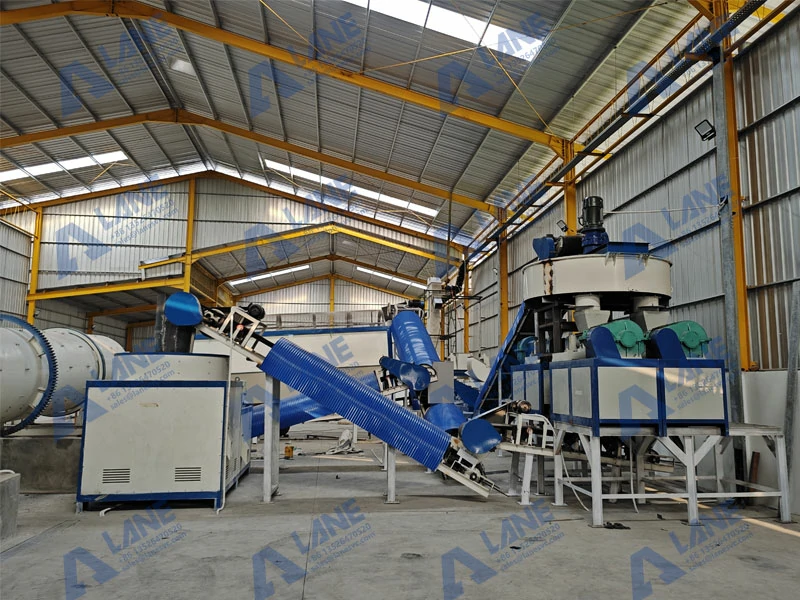
A magnesium sulfate heptahydrate production line converts qualified magnesium sulfate powder into more manageable granules without changing the product through a chemical reaction. Magnesium sulfate heptahydrate is also widely known as Epsom salt, so the same equipment may be described by buyers as an Epsom salt granulation line or Epsom salt fertilizer production system. The process relies on powder preparation, controlled feeding, mechanical compaction, crushing, screening, recycle handling, dust collection, and moisture-protective packaging.
For producers of granular magnesium sulfate fertilizer, the main objective is not to synthesize magnesium sulfate or manufacture Epsom salt from chemical raw materials. It is to improve the physical form of an existing Epsom salt powder so that it is easier to handle, transport, store, meter, and apply. A well-designed production line can reduce dust during loading and unloading, improve flowability, and produce a more consistent particle size for fertilizer blending or direct field application.
The preferred solution for many free-flowing and compressible powders is a dry granulation process for magnesium sulfate powder using a double roller granulator. This route normally avoids a wet granulation stage and does not require a dedicated high-temperature dryer.
Magnesium sulfate heptahydrate is commonly supplied as a fine powder or crystalline material. Fine powder can be difficult to handle because it may generate dust, bridge in storage hoppers, segregate during transport, or deliver inconsistent application rates.
Granulation changes the particle shape and size by compacting the powder. The material remains the same product; only its physical form is modified.
The simplified production flow is:
Magnesium sulfate heptahydrate powder
↓
Raw material inspection and storage
↓
De-lumping, magnetic separation, and pre-screening
↓
Metered feeding
↓
Powder blending and homogenization
↓
Double roller dry granulation
↓
Crushing and sizing
↓
Screening and classification
├── On-size granules → Cooling, dust removal, and packing
├── Oversize material → Secondary crushing or sizing
└── Fines → Return to the granulator feed system
This flow is suitable for a magnesium sulfate heptahydrate production line when the incoming powder already meets the required chemical and quality specifications.
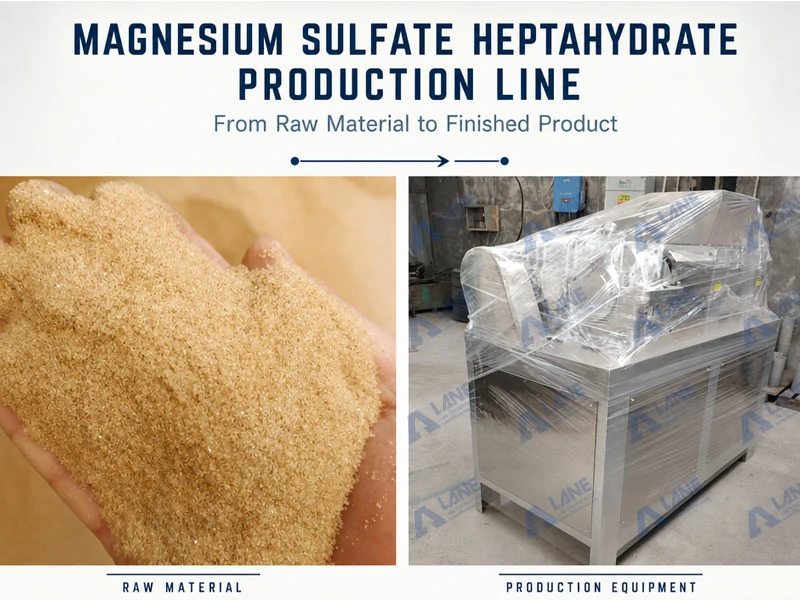
A powder-to-granule Magnesium Sulfate Heptahydrate production line can provide several practical benefits:
These benefits depend on the powder properties, equipment design, operating parameters, and packaging conditions. Granulation does not automatically solve poor raw material flowability or moisture problems; those issues must be addressed in the upstream powder-handling system.
The most direct route for magnesium sulfate powder to granules is dry compaction. A double roller granulator uses mechanical pressure to form compacted flakes, strips, briquettes, or shaped pieces. These compacted pieces are then crushed and screened into the final granule size.
The main equipment normally includes:
The process is mechanical rather than reactive. The powder is compressed between counter-rotating rolls, and the compacted material is later reduced to the required granule size.
The first stage of a magnesium sulfate heptahydrate production line is raw material control. Because the granulation line does not correct the chemical composition of the product, the incoming powder should already meet the intended fertilizer or industrial specification.
Typical incoming checks include:
The exact laboratory test list should be based on the final product specification and local regulatory requirements. For a fertilizer product, the chemical composition should be verified separately from the physical properties of the granules.
If the powder has absorbed moisture and formed hard lumps, it should not be fed directly to the double roller granulator. Lumps can cause unstable feeding, screw blockage, uneven compaction, and inconsistent granule strength.
Magnesium sulfate heptahydrate powder should be stored in a dry, covered area with protection from rain, condensation, and floor moisture. A storage hopper should be designed for the actual flow behavior of the powder rather than for a free-flowing material assumption.
Common de-lumping and hopper-flow devices include:
The purpose of de-lumping is to restore consistent powder flow. Excessive vibration can increase dust, create segregation, or damage the hopper structure, so the device should be interlocked with the feeder and operated only when required.
Before the powder enters the magnesium sulfate granulation equipment, it should pass through a basic protection stage. A magnetic separator or metal trap can remove ferrous contaminants from bags, conveyors, or upstream handling equipment.
A pre-screening unit can remove large lumps and foreign particles before they reach the feeder and compaction rolls. This protects the roller surface, reduces the risk of screw blockage, and improves the consistency of the compacted sheet.
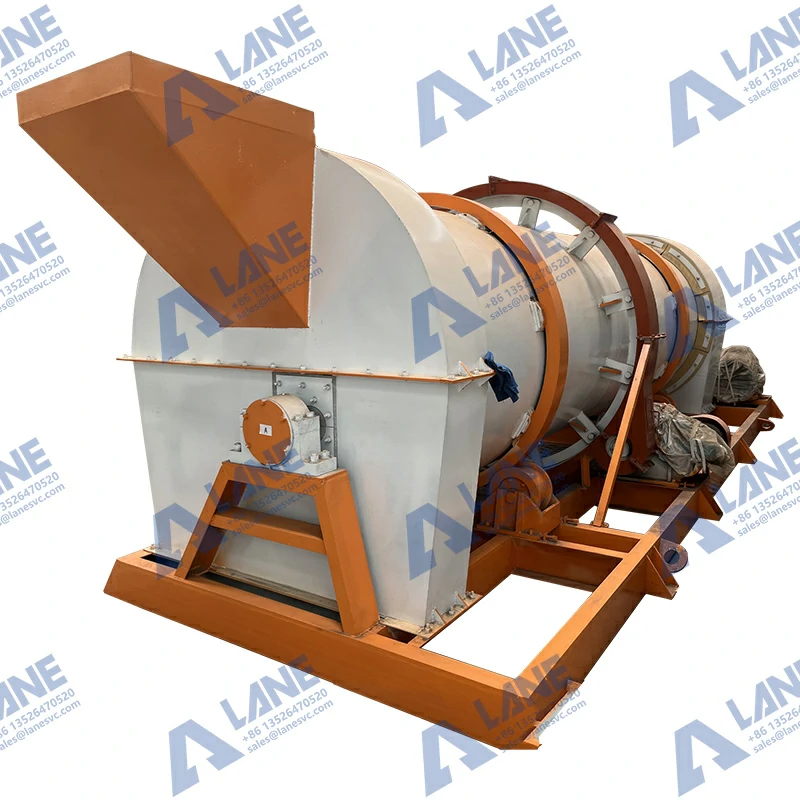
If the feed powder has a wide particle-size distribution, a low-temperature crusher or mill may be used for homogenization. The objective is not to grind the material as finely as possible. Excessive fines can increase dust and may make feeding and screening more difficult.
Stable feeding is one of the most important conditions for a stable double roller granulator for magnesium sulfate. Typical feeding equipment includes a loss-in-weight feeder, variable-speed screw feeder, buffer hopper, or gravimetric dosing system.
The feeding system should provide:
If the feed rate is too low, the compacted sheet may be thin, discontinuous, or weak. If the feed rate is too high, the roller load may increase and the machine may experience unstable pressure, excessive power consumption, or overload trips.
For commercial magnesium sulfate fertilizer production line, the feeder, roller compactor, crusher, screen, and recycle conveyor should be designed as one controlled system rather than as isolated machines.
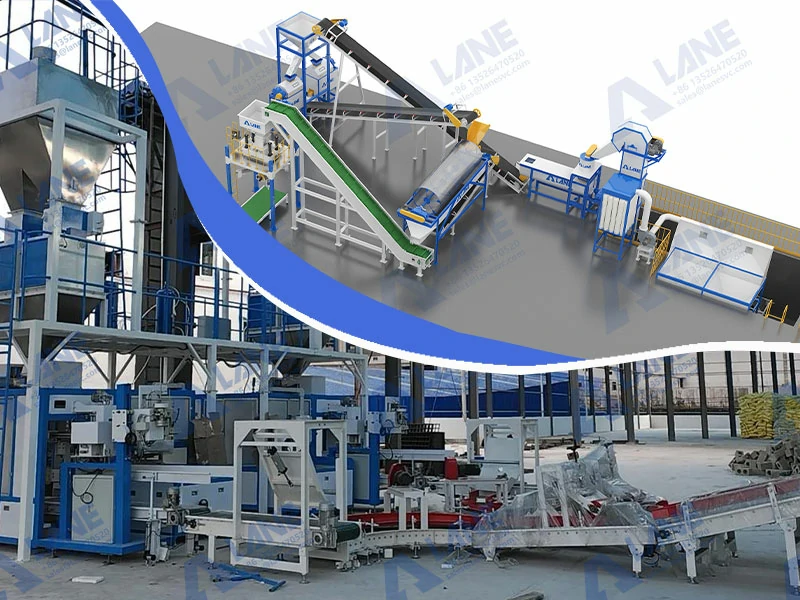
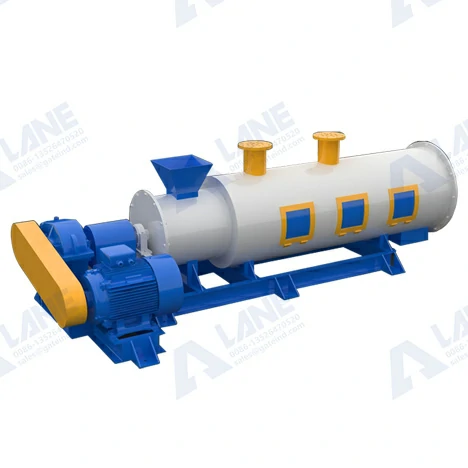
When only one qualified magnesium sulfate powder is used, the mixing stage may function mainly as a buffer and homogenization step. It helps reduce batch-to-batch variation before the material enters the compactor.
If an approved physical additive or another compatible powder is required, the formulation should be validated through laboratory and pilot testing before commercial production. An unverified additive may affect nutrient analysis, dissolution behavior, particle strength, storage stability, or regulatory compliance.
Possible mixers include:
Mixing should focus on uniform distribution and stable discharge. It should not introduce unnecessary moisture or heat into the powder.
The roller compaction stage is the core of a dry magnesium sulfate heptahydrate production line. In buyer searches, this stage is also described as Epsom salt dry granulation equipment. A typical roller compactor consists of a pre-compression screw, feed screw, two counter-rotating rolls, a pressure adjustment system, a drive unit, and a guarded frame.
The operating sequence is:
The granulator does not create a new chemical substance. Granule formation depends on powder compaction, particle interlocking, friction, and the mechanical strength of the compacted sheet.
The main operating variables are:
Operating pressure should not simply be increased to solve every granulation problem. Excessive pressure may create very hard compacts that require more crushing energy, increase roll wear, and produce an unnecessarily high proportion of irregular particles.
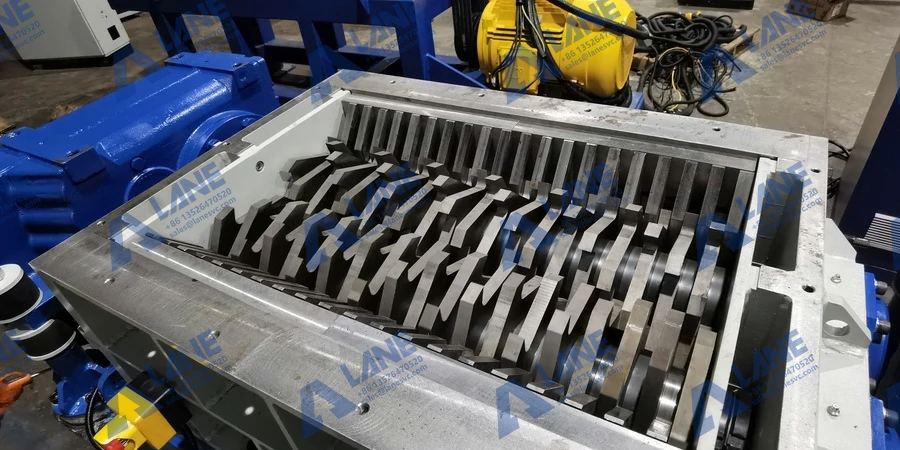
The material discharged from the compactor is normally larger than the final product. It must pass through a crusher, flake breaker, or sizing unit before screening.
Suitable equipment may include:
Low-impact crushing is generally preferred when the objective is to control fines. Excessive high-speed impact can create large quantities of powder and reduce the first-pass granulation rate.
The crusher gap and the number of crushing stages should match the target granule size. A controlled sequence of light crushing, screening, and recycle is usually more stable than one aggressive crushing step.
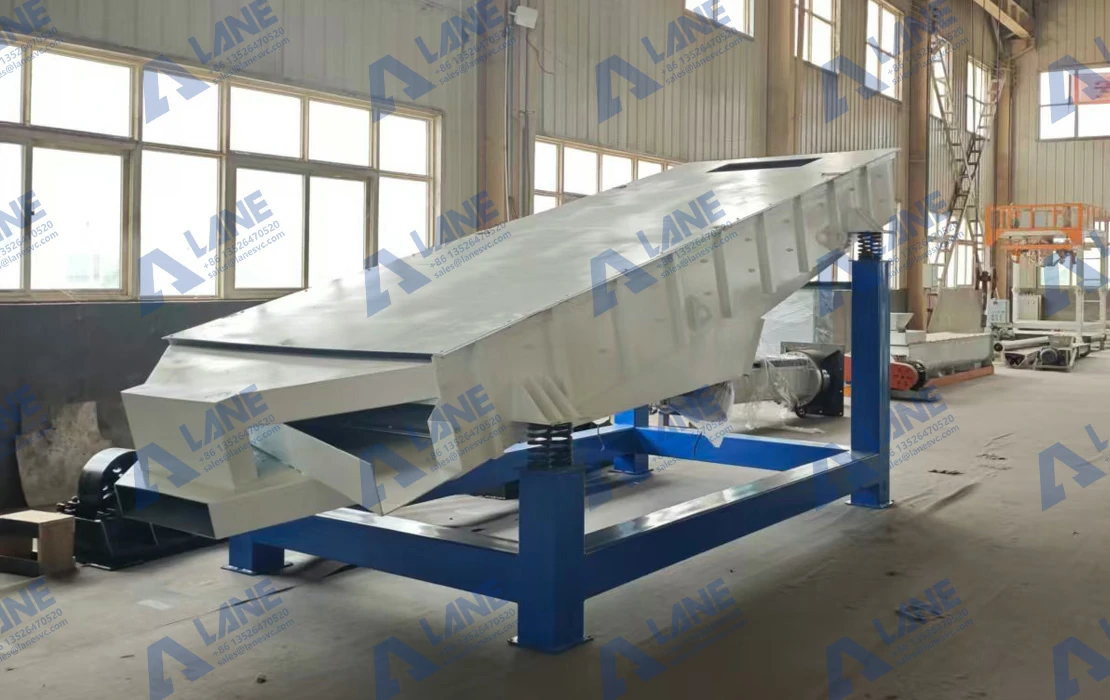
After crushing, the material enters a vibrating screen, rotary screen, or multi-deck classifier. The screen separates the product into on-size granules, oversize particles, and fines.
The typical material balance is:
Crushed compacted material
↓
Sizing screen
├── On-size granules → Finished-product conveyor
├── Oversize particles → Return to crusher or sizing unit
└── Fines → Return to the feed hopper or granulator
Screen performance depends on feed loading, screen aperture, vibration, moisture, and screen cleanliness. A blocked or overloaded screen can send oversize material into the finished product or return too much acceptable product to the recycle stream.
A high recycle rate is a warning sign. It may indicate that the powder is not being compacted correctly, the crusher is too aggressive, the screen aperture is unsuitable, or the feeder and roller pressure are unstable.
A dry granulation process normally does not require a dedicated high-temperature dryer. However, powder friction, compaction, crushing, and conveying can increase the material temperature. If the product is warm before packing, a short cooling conveyor, air-cooling section, or controlled fluidized cooling stage may be considered.
Dust collection points commonly include:
A practical dust-control system normally combines enclosed transfer points, local negative-pressure extraction, ducting, and a suitable bag filter. Recovered powder may be returned to the process only after checking for contamination and confirming that its moisture and particle properties remain acceptable.
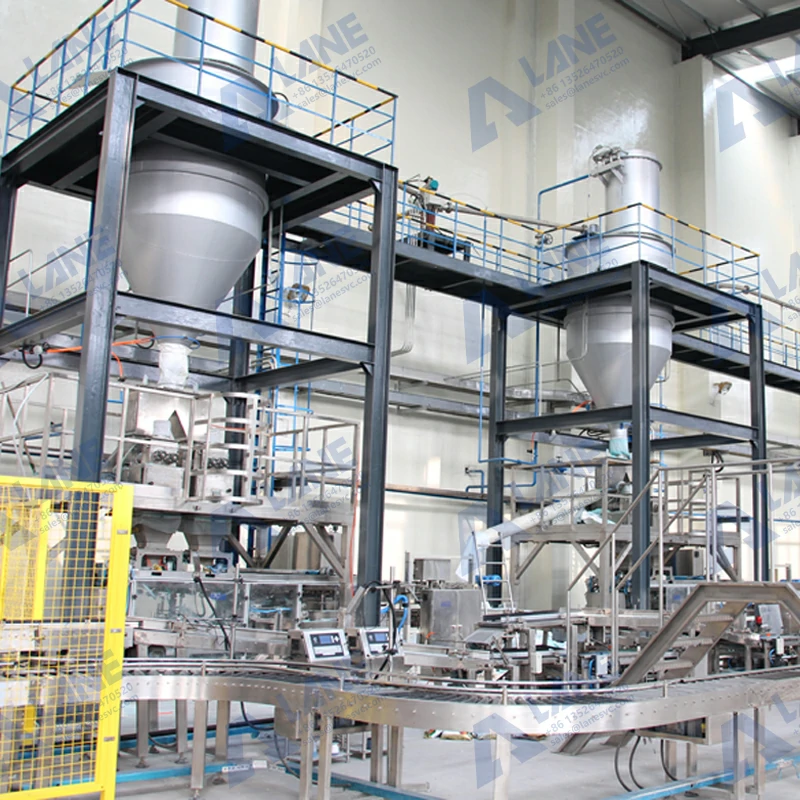
On-size granules are conveyed to a finished-product hopper and then packed according to the customer requirement. Common packaging formats include small bags, lined woven bags, and bulk bags.
The packing section may include:
Before packing, the production team should check particle size, bag weight, product temperature, visible dust, and package sealing quality.
Because magnesium sulfate heptahydrate can be affected by moisture exposure, the warehouse should be dry, covered, and protected from floor dampness. Moisture-resistant inner liners and sound sealing are important for long-distance transport and extended storage.
| Process stage | Main equipment | Function |
|---|---|---|
| Raw material storage | Powder silo, hopper, level indicator, de-bridging device | Stores powder and maintains stable discharge |
| Powder protection | Magnetic separator, metal trap, pre-screen | Removes foreign material and protects the main machine |
| Feeding | Loss-in-weight feeder, screw feeder, buffer hopper | Controls a stable feed rate |
| Homogenization | Ribbon mixer, paddle mixer, continuous mixer | Equalizes powder properties and batch variation |
| Dry granulation | Double roller compactor, hydraulic system, roll drive | Compacts powder into flakes or shaped pieces |
| Crushing | Flake breaker, toothed crusher, low-speed crusher | Reduces compacted pieces to a controllable size |
| Screening | Vibrating screen, rotary screen, multi-deck classifier | Separates on-size product, oversize, and fines |
| Recycle handling | Return conveyor, bucket elevator, screw conveyor | Sends oversize and fines back to the correct point |
| Dust control | Enclosure, exhaust fan, bag filter, rotary valve | Controls dust and recovers powder |
| Packing | Finished-product hopper, weighing packer, sealer | Provides accurate, moisture-protected packaging |
Dry granulation does not mean that the powder must be completely moisture-free. Powder that is too dry may compact poorly, while powder that is too damp may stick to the roll surface, bridge in the hopper, or block the screw feeder.
The appropriate moisture range must be determined from the actual powder and equipment through testing. Moisture control in this context is a physical process-control issue; it is not a chemical reaction step.
The feed powder should be reasonably consistent. Very coarse particles can create weak spots in the compacted sheet, while excessive fines can increase dust and cause unstable feeding. Pre-screening and controlled milling may be used to improve consistency.
Compaction pressure affects bulk density, granule strength, powder generation, power consumption, and the crushing load. The correct setting should be established by evaluating several outcomes together:
The granulator, crusher, and screen must be selected as a matched system. A compactor that produces very thick flakes may overload a small crusher. A crusher that produces too many fines may reduce screening efficiency and increase recycle. A screen with unsuitable apertures may reduce on-size yield even when compaction is stable.
Oversize and fines are commonly recycled, but the recycle loop should be controlled. Excessive recycle can reduce net capacity and increase the number of times the material is mechanically handled. A high recycle ratio should trigger an investigation into feed moisture, powder size, roll pressure, roll gap, crusher settings, and screen selection.
Although dry compaction avoids a conventional drying stage, the product may still warm up through friction and compression. Conveying, crushing, and packing should not expose the product to unnecessary heat for a prolonged period.
The finished product should be tested according to the applicable specification. Appearance alone is not sufficient to confirm that the required heptahydrate product condition has been maintained.
| Item | Dry roller compaction | Low-moisture wet granulation |
|---|---|---|
| Forming mechanism | Mechanical powder compaction | Liquid-assisted agglomeration |
| Liquid addition | Normally not required | Usually required |
| Dedicated drying | Normally not required | Usually required |
| Process length | Shorter | Longer |
| Equipment count | Lower in many installations | Higher because of dryer and cooler stages |
| Main risk | Fines, weak compacts, unstable feeding | Sticking, wet lumps, drying load, moisture-related instability |
| Best fit | Compressible and flowable powder | Powder that cannot achieve acceptable strength by compaction alone |
For a simple, non-reactive magnesium sulfate fertilizer granulation process, dry roller compaction should generally be evaluated first. Wet granulation may be considered only when pilot trials show that the powder cannot reach the required granule strength, shape, or size distribution through mechanical compaction alone.
Possible causes include unsuitable powder moisture, excessive crusher impact, low compaction pressure, unstable feeding, worn rolls, an unsuitable roll gap, or a screen that is not matched to the target size. The solution is to inspect the complete powder-to-granule system rather than increasing pressure without testing.
Common causes include excessive feed moisture, local damp spots, powder temperature rise, uneven feeding, roll-surface wear, and inadequate cleaning. First stabilize the feed and verify powder condition. Increasing pressure alone may make the problem worse.
Not necessarily. A roller compactor should first be tested with the qualified powder under controlled mechanical pressure. If the powder cannot achieve the required strength or yield, an approved physical additive may be evaluated through laboratory and pilot testing. Any additive must be checked against the product specification and intended application.
A conventional dryer is normally not required when the process uses dry roller compaction and the feed powder is within the specified moisture range. If liquid is added upstream or the feed powder is too wet, a low-temperature drying and cooling section may be necessary. The effect on product moisture and heptahydrate stability must be verified.
The selection should consider powder moisture, particle size, bulk density, flowability, compressibility, target granule size, required strength, capacity, recycle rate, dust-control requirements, and the intended packaging method. A machine should not be selected from capacity alone.
A practical project evaluation should follow these steps:
This approach reduces the risk of purchasing a granulator that performs well with a different powder but fails to deliver the required magnesium sulfate granule quality.
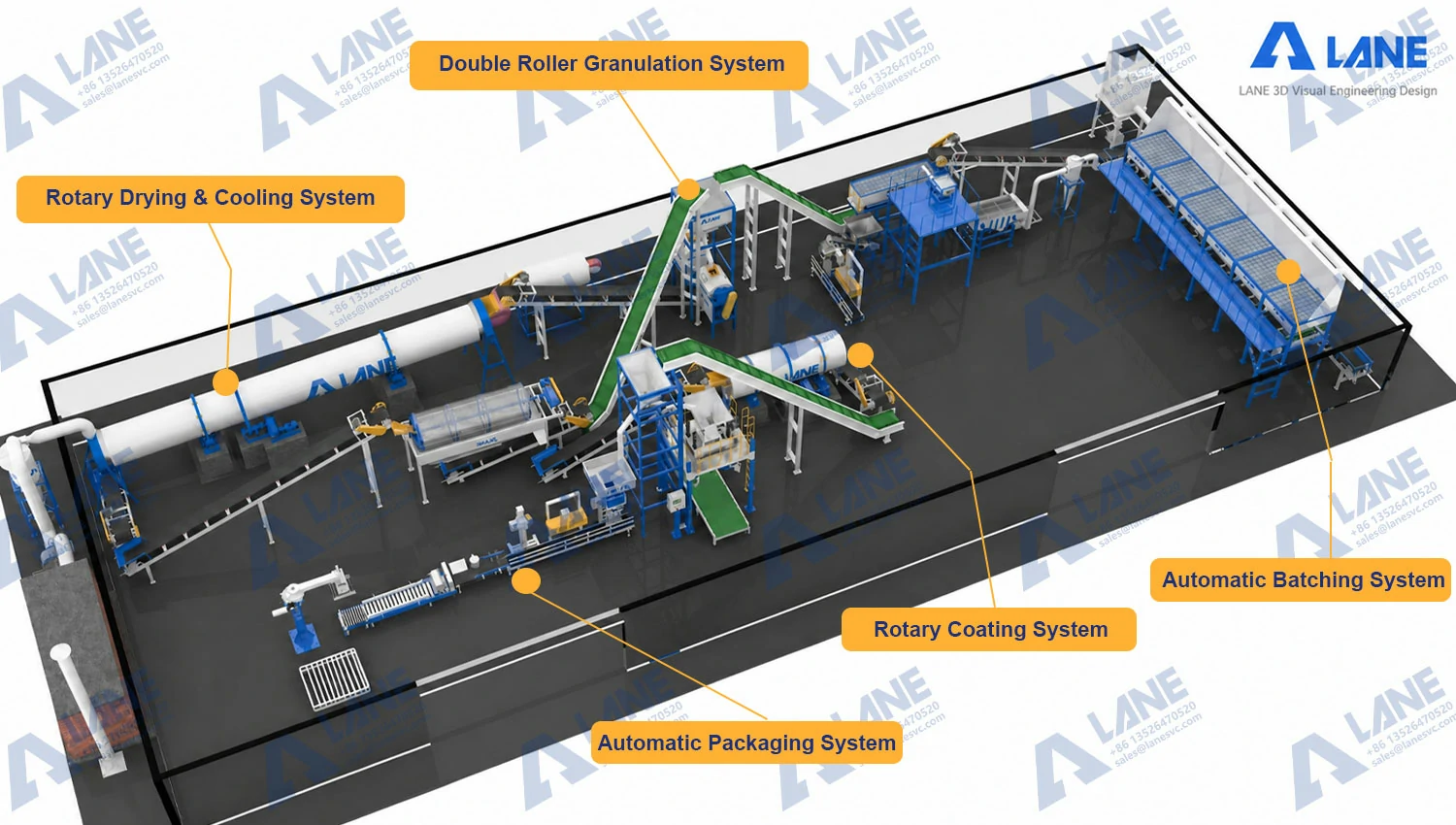
A non-reactive magnesium sulfate heptahydrate granulation process is a physical powder-processing route built around stable feeding, mechanical compaction, controlled crushing, screening, recycle, dust collection, and moisture-protective packing.
For qualified and compressible magnesium sulfate powder, a double roller granulator for magnesium sulfate is often the most direct equipment choice because it can produce granules without a chemical reaction and, in many cases, without a dedicated high-temperature drying stage.
The quality of the final granular magnesium sulfate fertilizer depends on the whole production line, not only the roller compactor. Raw material moisture, powder particle size, feeder stability, compaction pressure, crusher intensity, screen selection, recycle ratio, dust control, and packaging must be designed as one coordinated system.
If you are planning a magnesium sulfate heptahydrate production line for Epsom salt powder, the next step should be a powder test and pilot-scale process review. The final equipment configuration should be based on the actual feed powder, target granule size, required capacity, product strength, and storage conditions rather than on a generic machine specification.
For qualified powder, the simplest route is usually raw material screening, metered feeding, double roller dry compaction, crushing, screening, recycle, dust removal, and packing.
Epsom salt is the common name used for magnesium sulfate heptahydrate. In this article, the terms refer to the same pre-produced powder or granulated product. The production line described here only changes the physical form of the powder; it does not synthesize the material.
Yes. Dry roller compaction forms Epsom salt granules through mechanical pressure. The process does not require acid digestion or chemical synthesis, provided that the incoming magnesium sulfate heptahydrate powder already meets the required product specification.
The core machine is the double roller compactor or roller compaction granulator. A complete line also requires powder storage, de-lumping, feeding, crushing, screening, recycle conveying, dust collection, and packing equipment.
Screening separates on-size granules from oversize particles and fines. It determines the final particle-size distribution and provides the recycle streams needed to improve product consistency.
The dry granulation route is designed as a physical forming process. It does not intentionally change the chemical composition, but the finished product should still be tested because moisture exposure, contamination, or excessive heat can affect product quality.
Editorial note: Equipment capacity, roll pressure, roll gap, screen aperture, recycle ratio, and moisture limits should be confirmed through testing with the actual magnesium sulfate heptahydrate powder. The values should not be copied from an unrelated fertilizer or mineral powder without validation.