author: Zero Shen
from: LANE Machinery Groups
At present, global agriculture is facing multiple tests: continuous soil degradation, fluctuations in fertilizer prices, and the promotion of net zero emissions in the agricultural field.
Policy-oriented, the industry urgently seeks a fertilizer production path that takes into account production capacity and ecology. Organic Mineral Fertilizer is a new type of compound fertilizer, which scientifically compounds organic materials and mineral nutrients, which can not only supply crops with balanced nutrition but also repair damaged soil.
It can provide balanced nutrition and repair the damaged soil. A set of mature organic mineral fertilizer production line is to put this set of fertilizer concepts
It is the core hardware of standardized particle products. This article focuses on raw material selection, equipment composition, process flow, factory layout, project investment
Disassemble the organic mineral fertilizer production line from multiple angles and real customer cases to help practitioners quickly understand equipment selection and project construction key points.
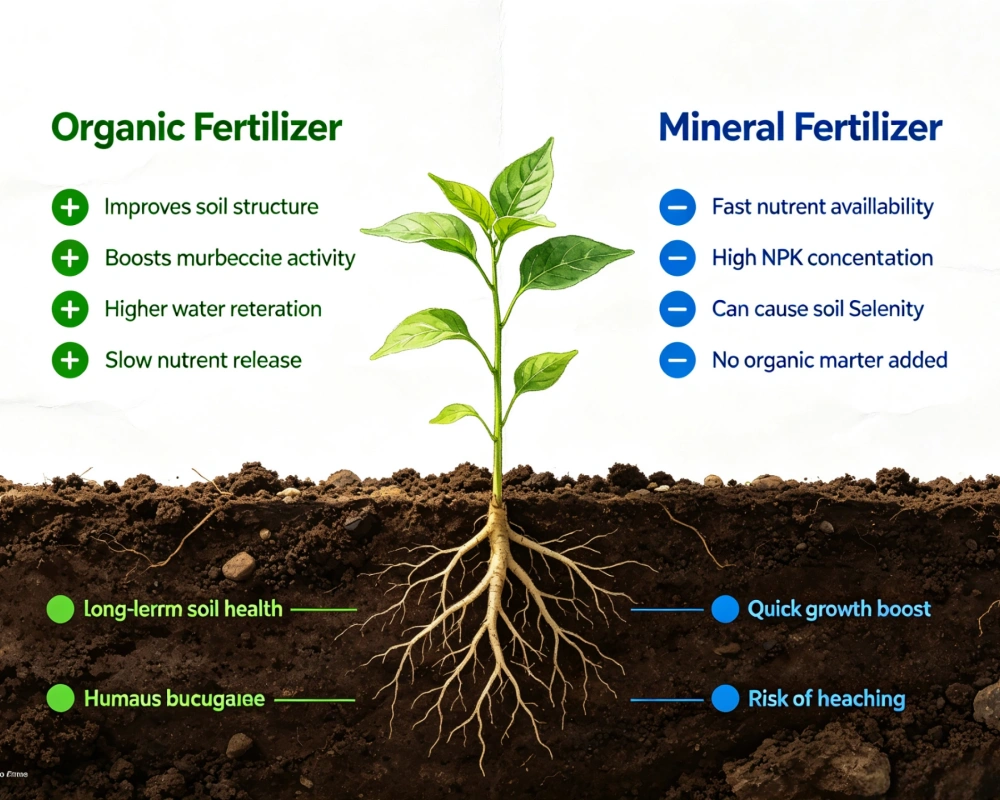
Organic mineral fertilizer is essentially a kind of composite fertilizer, the core feature of which is the two-component synergy of “organic + mineral”. The organic part usually comes from livestock and poultry manure, crop straw, kitchen waste, sludge and other wastes, which are converted into humus after decay; the mineral part is supplemented with a large number of nitrogen, phosphorus, potassium and trace elements such as calcium, magnesium, sulfur, iron, zinc and boron. The combination of the two not only provides whole-life nutrition for crops, but also improves the soil particle structure and improves the ability of water retention and fertilizer retention.
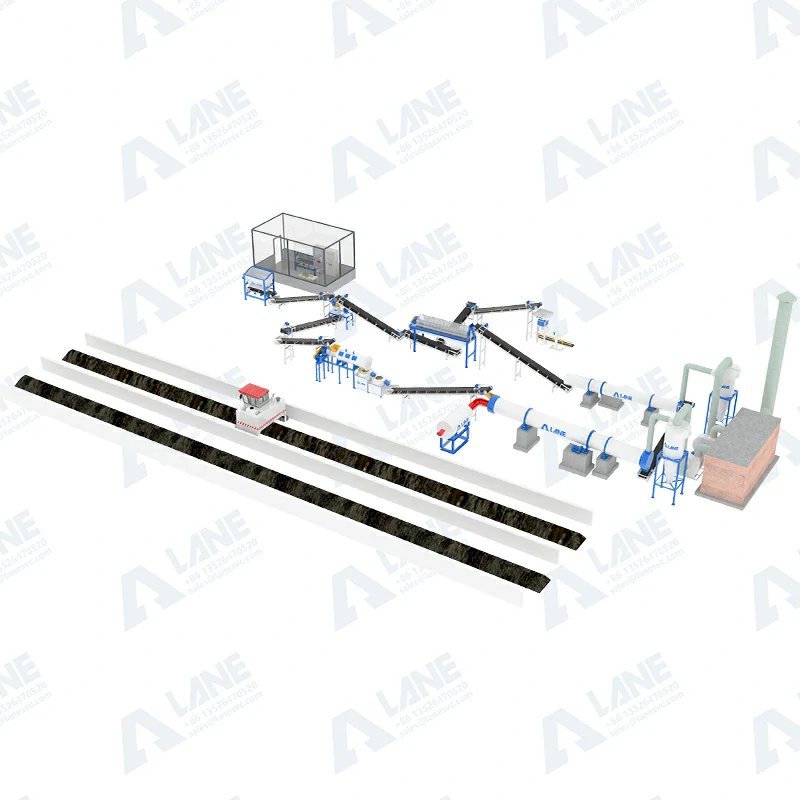
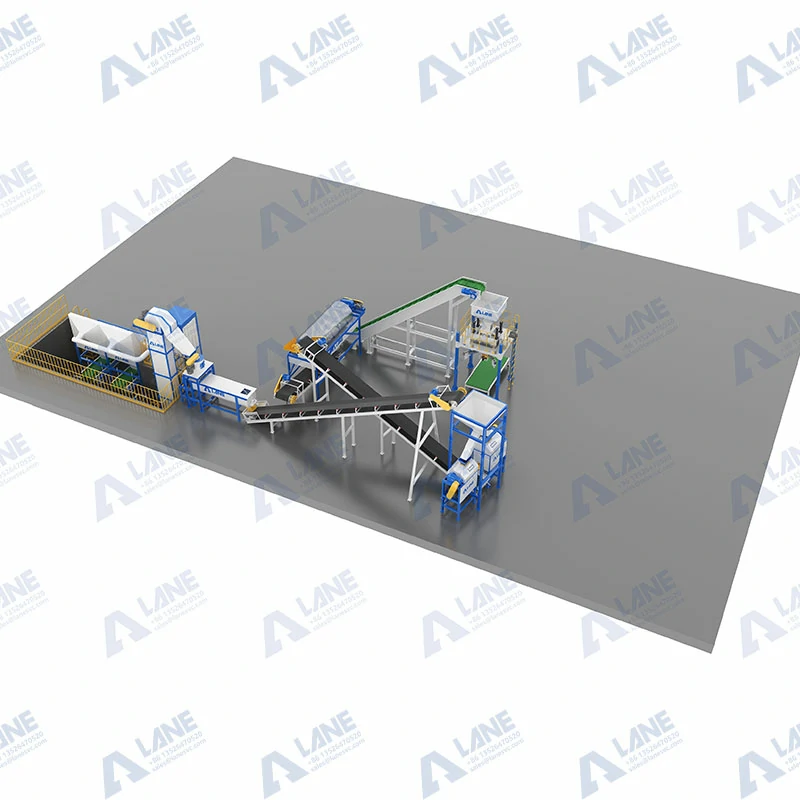
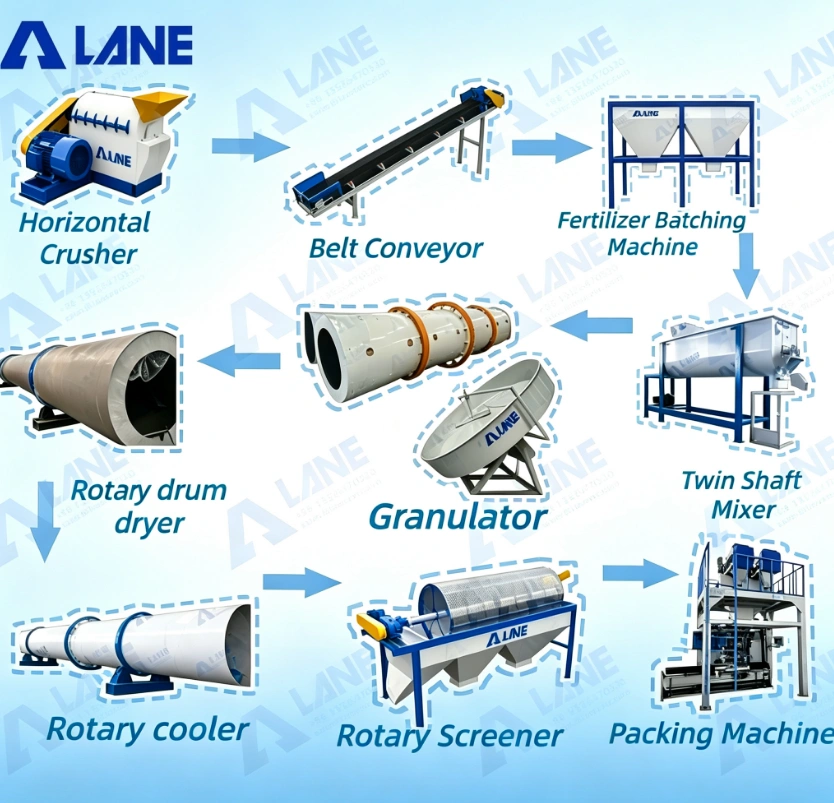
The organic mineral fertilizer production line is a complete set of equipment system that processes organic raw materials and mineral raw materials through fermentation, crushing, mixing, granulation, drying, cooling, screening, packaging and other processes, and finally produces standardized organic mineral compound fertilizer. It is not a single equipment, but an automated process chain covering from raw materials entering the factory to finished products leaving the warehouse.
The core value of this organic mineral fertilizer production line is reflected in three levels:
• First, realize the harmlessness and resourcization of organic waste, and convert manure, straw and other pollutants into commercial fertilizers;
• Second, through precise batching and granulation technology, ensure that the nutrients of each batch of products are uniform and the particle strength meets the standard;
• Third, reduce unit costs and improve product market competitiveness with large-scale and automated production.
A reasonably designed organic mineral fertilizer production line can flexibly adjust the ratio of organic and mineral according to market demand, and at the same time produce a series of products such as pure organic, pure mineral and compound products.
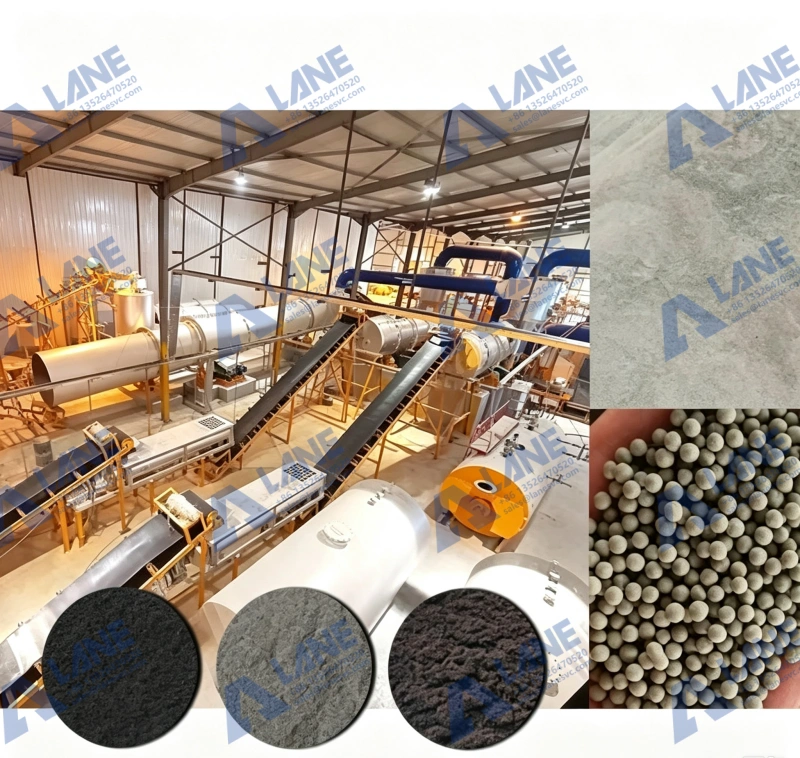
At present, global agriculture is facing multiple rigid challenges. The joint effect of supply and demand makes the organic mineral fertilizer track have a clear blue ocean attribute, and the market growth space is clearly visible.
From a global perspective, the pressure of food security and the goal of carbon neutrality have formed a double reverse.
• Data shows that nearly 50% of the world’s crop nutrient supply depends on mineral fertilizers, and the fertilizer production link contributes about 2% of greenhouse gas emissions, which is a clear conflict with the global net zero emission target.
• At the same time, the frequent occurrence of extreme weather, the decline of soil biodiversity, the degradation of arable land and other problems continue to intensify, and the crude production mode that relies solely on chemical fertilizers is unsustainable.
• At the policy level, the European Union’s 2021-2027 Common Agricultural Policy and the European Green Agreement clearly propose to expand the application of organic fertilizers and reduce dependence on fertilizers; Australia has started the construction of its first organic mineral fertilizer production base with an annual capacity of 240,000 tons, which is the early layout of the track growth red The embodiment of profit.
From the perspective of the demand market, the shortage of arable land quality has brought a huge demand for repair.
• The organic matter content of agricultural land is low, and the problems of soil plate formation, salinization and nutrient imbalance caused by long-term excessive application of chemical fertilizers are prominent, which directly restricts the improvement of crop yield and agricultural product quality.
• Pure organic fertilizer has low nutrient concentration and slow effect, which cannot be fully adapted to the production rhythm of large-scale planting;
organic mineral fertilizer production line just fills the gap between the two. A single application can simultaneously supplement organic matter, humic acid and full-price nutrition, which is not only in line with the policy orientation of “weight loss and efficiency”, but also can meet the actual demand for increasing production at the planting end. Market acceptance is increasing rapidly.
On the one hand, it is the dual demand pull of policies and the market, and on the other hand, it is the stable supply of low-cost raw materials, which together constitute the blue ocean foundation of the organic mineral fertilizer track.
With the continuous release of market demand, the construction of a professional organic mineral fertilizer production line has become the core choice for agricultural enterprises, animal husbandry groups and agricultural parks to enter this track. The organic mineral fertilizer production line built by LANE Heavy Industry, relying on mature process design and complete sets of equipment configuration, can help customers quickly complete the production capacity landing.
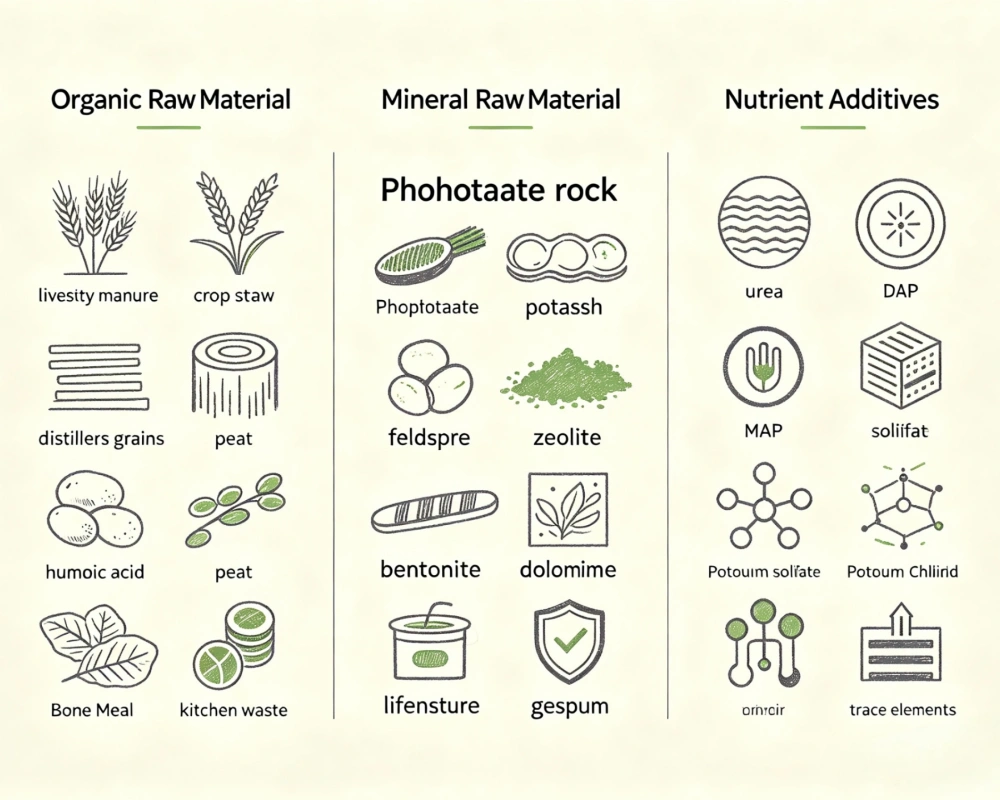
>Organic Mineral Fertilizer Production Line Organic Raw Materials
• Livestock manure: chicken manure, cow manure, pig manure, sheep manure, etc.
• Crop straw
• Distillers’ grains and vinegar lees
• Peat
• Humic acid
• Bone meal
• Oil shale semi-coke and other industrial and agricultural by-products
• Kitchen waste
• Municipal sludge
>Organic Mineral Fertilizer Production Line Mineral Raw Materials
• Mineral raw materials provide macronutrients and secondary/micronutrients, with a wide range of options:
• Phosphate rock and potash feldspar provide the base phosphorus and potassium nutrients.
• Zeolite, bentonite, sepiolite, and medical stone offer adsorption and slow-release functions.
• Dolomite, limestone, and gypsum regulate calcium, magnesium, sulfur, and pH.
• Potassium sulfate, potassium chloride, magnesium sulfate, calcium carbonate, and trace element premixes are used for precise fertilizer adjustment.
> Nutrient Supplement Additives
To bring the finished product’s NPK ratio to the designed target, production adds chemical fertilizer raw materials as needed — urea, diammonium phosphate, monoammonium phosphate, potassium sulfate, potassium chloride, and others. These additives are precisely mixed with composted organic powder and mineral powder during the batching stage to ensure nutrient compliance.
• Field Crops:Wheat, rice, and corn.
• Fruit and Vegetable Planting
• Improves soil quality.
• Organic Farming
• Meets organic agriculture requirements.
• Soil Restoration
Used for:
A modern organic mineral fertilizer production line consists of multiple interconnected subsystems, each with a clear role.
> Raw Material Pretreatment and Purification
Equipment:
• Storage silo
• Crusher (vertical crusher or semi-wet crusher)
This step is responsible for the first treatment of organic mineral fertilizer production line after the raw materials enter the factory. The function is to remove iron blocks, stone blocks and other hard impurities, avoid damage to the rear-end equipment, and break large pieces of raw materials to the appropriate particle size.
Different types of crushers should be selected for different materials: semi-wet crushers are suitable for high-moisture organic fertilizer, hammer crushers are suitable for plant fiber materials, chain crushers are suitable for hard ore materials, and vertical crushers can be used to process medium-hard raw materials if necessary. After crushing, the particle size is uniform, which lays the foundation for subsequent granulation.
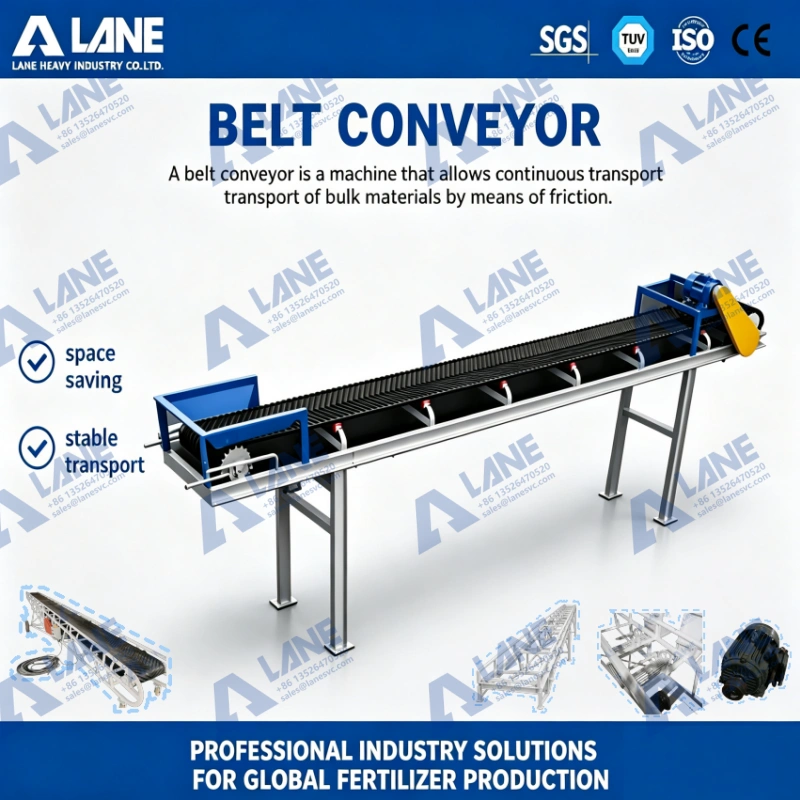
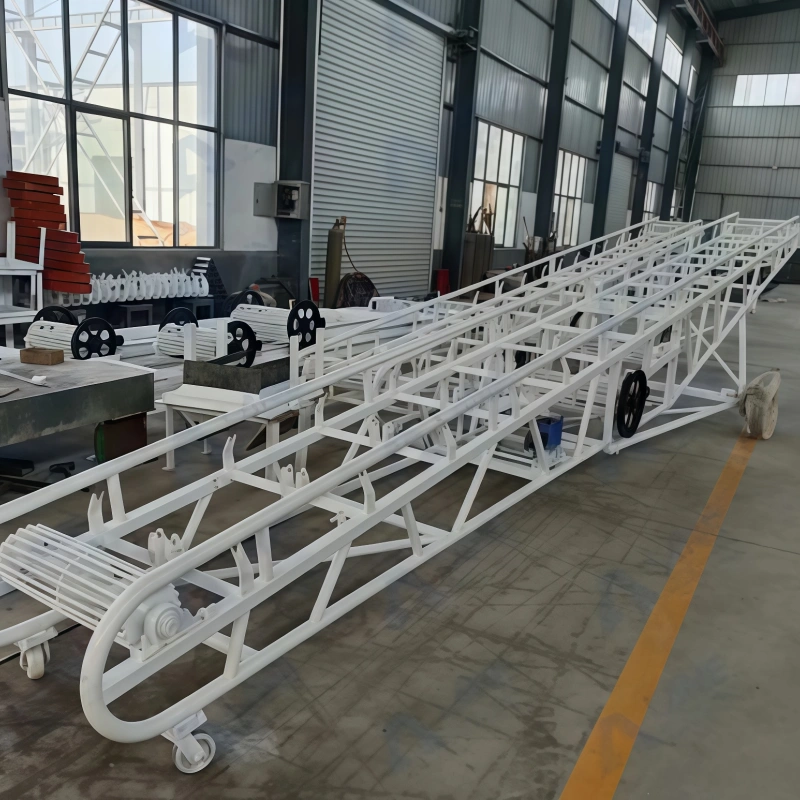
> Dewatering Pretreatment
Equipment:
• Vacuum filter
• Vacuum pulse dewatering unit
The moisture content of high-humidity organic raw materials such as livestock and poultry manure often reaches 60%-85%, and it is difficult to directly mix and granulation. In the process of turning manure into organic mineral fertilizer production line, the dehydration system reduces the moisture to an appropriate range. Vacuum pulse technology has high dehydration efficiency, which is a common configuration of medium and high-end organic mineral fertilizer production lines.
> Automatic Batching and Mixing
Equipment:
• Batching Machine, batching system
• Mixing Machine(drum mixer, double-shaft mixer, etc.)
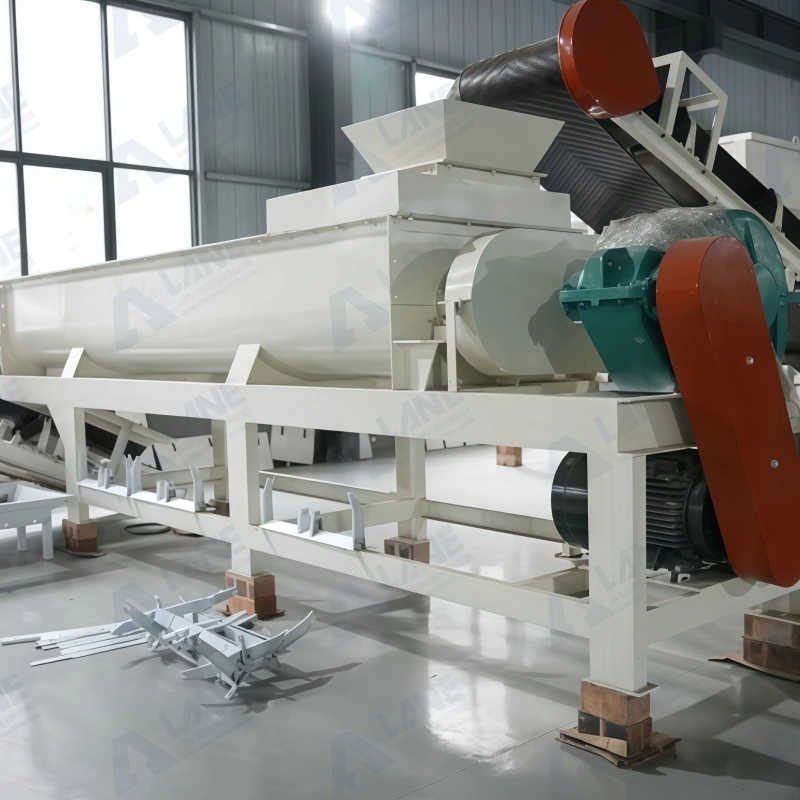
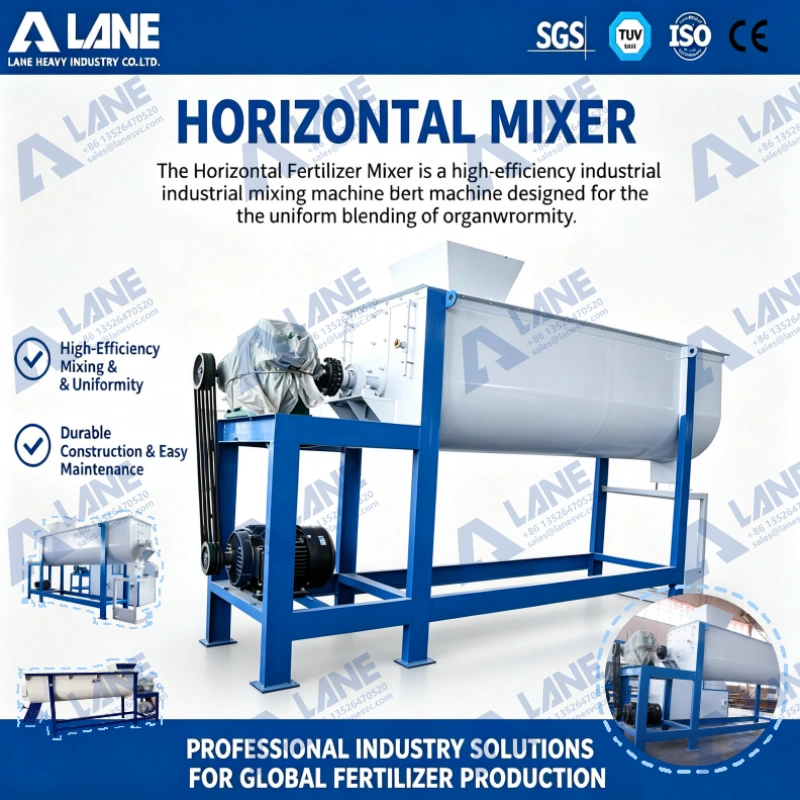
It’s one of the important steps in organic mineral fertilizer production line. The multi-component quantitative feeder accurately weighs all kinds of raw materials according to the formula and sends them to the horizontal mixer for full mixing. The accuracy of the ingredients directly determines whether the nutrients of the finished product meet the standard, and the mixing uniformity affects the consistency of each batch of products.
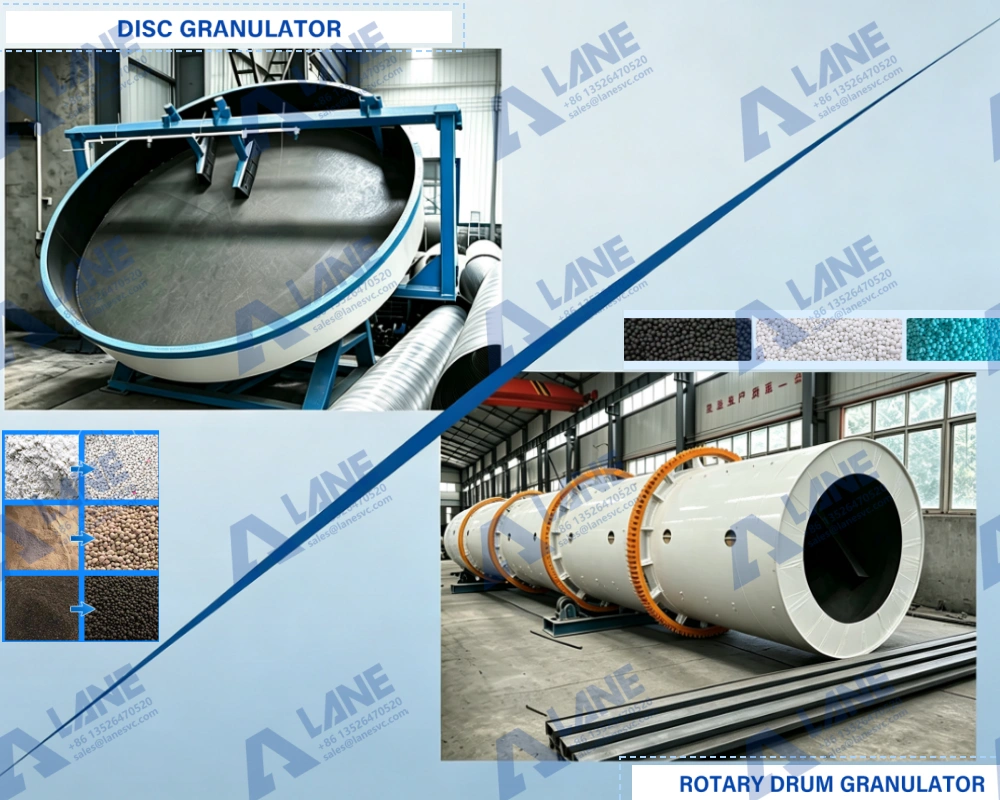
Granulation is the core process of the whole organic mineral fertilizer production line, and there are three mainstream schemes:
• Disc granulation: wet method agglomeration into balls, simple equipment, low investment, granulation rate ≥93%, spherical particles, suitable for small and medium-sized projects with annual output of 10,000-100,000 tons. The disadvantage is that the open operation and the large amount of dust require the installation of a sealed shell.
• Rotary Drum granulation: closed-loop continuous production, stable operation, output 1-30 tons per hour, suitable for large factories with annual output of 100,000-200,000 tons, low dust and uniform particles.
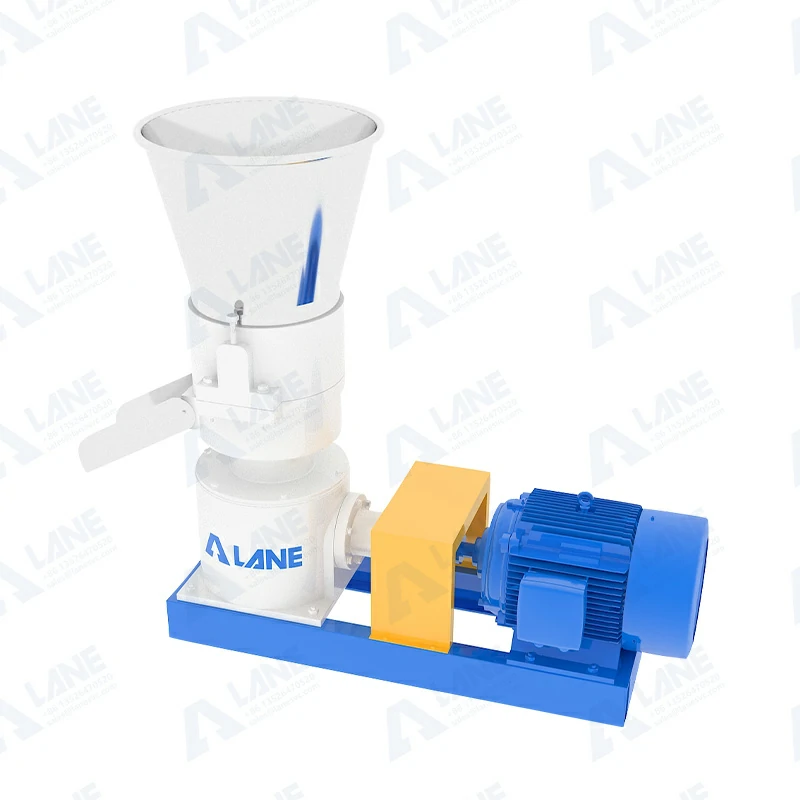
• Extrusion granulation: working at room temperature, no need for secondary drying, energy saving of more than 20%, suitable for high fiber, heat-sensitive raw materials.
> Drying and Cooling
Equipment:
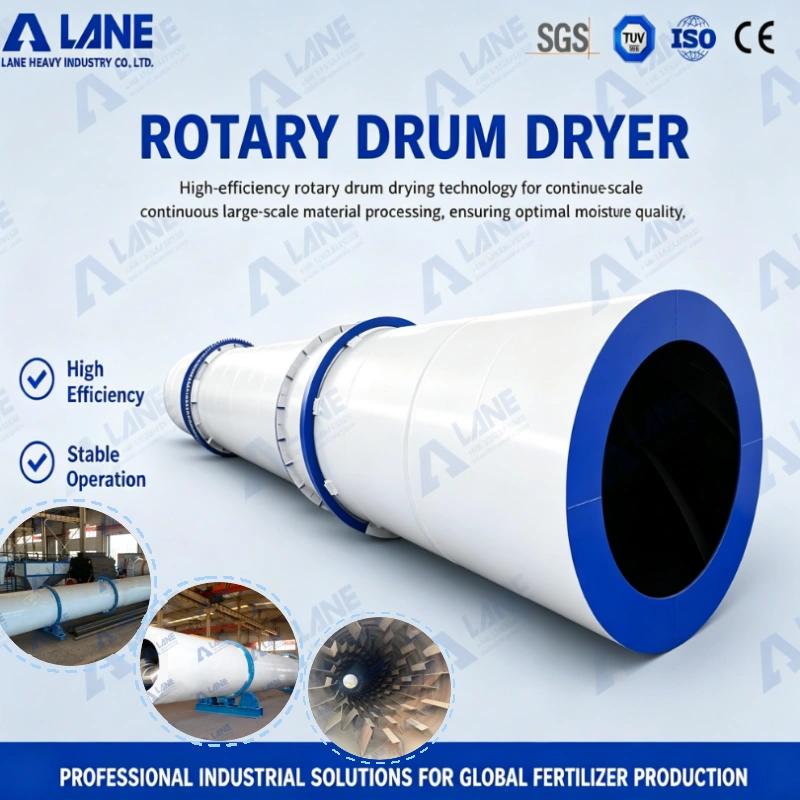
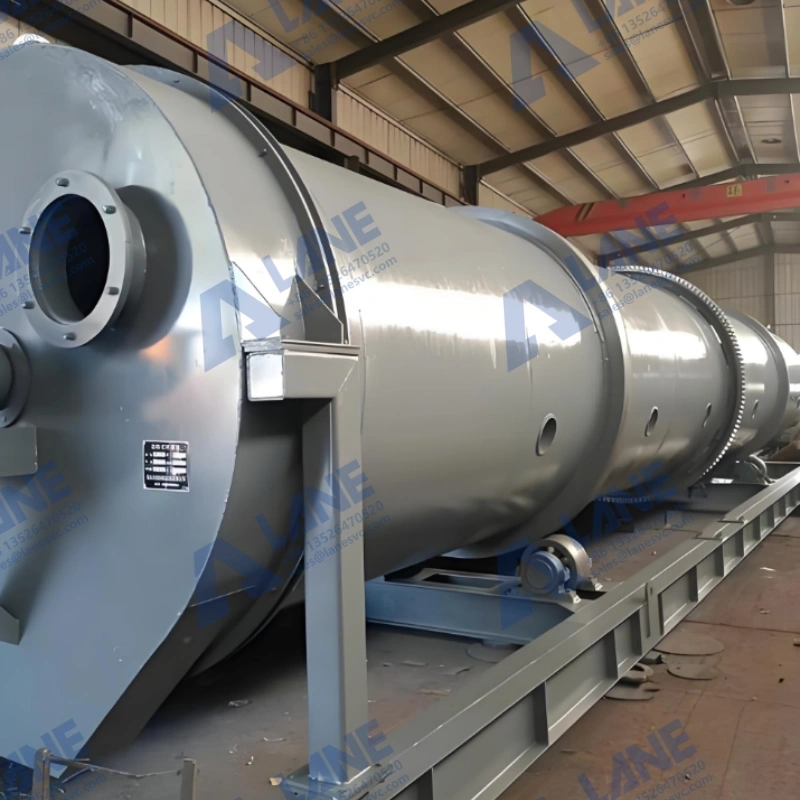
In organic mineral fertilizer production line, after granulation, the moisture content of wet particles is high, and it needs to be dried to safe moisture (about 12%-15%) before cooling. The mature process adopts segmented temperature control: the preheating section is 80-100℃, and the drying section is 120-140℃; the cooling adopts a counterflow multi-stage cooling system, which improves the efficiency by more than 30%. The inner wall of the drum is equipped with an anti-stick and anti-corrosion coating and an automatic cleaning device. Heat sources can include natural gas, biomass fuel or waste‑heat recovery systems, cutting overall energy consumption by 25‑35 %.
The high-end organic mineral fertilizer production line is equipped with vacuum pulse drying technology to produce pressure pulses in a vacuum environment, so that the moisture inside the particles evaporates explosively, and the drying speed is fast. At the same time, it kills pathogenic bacteria, worm eggs and weed seeds at high temperature to solve the hidden dangers of organic fertilizer hygiene.
> Screening, Coating, and Packaging
Equipment:
• Rotary screening machine
• Fertilizer coating machine
The cooled particles are graded by the revolving vibrating sieving machine (the core screening equipment in the organic mineral fertilizer production line), and the qualified particle size enters the next process, and the particles that are too large or too small are reflowed and regranulated. Qualified particles can be sprayed with an anti-clumping protective layer by the film wrapping machine, and finally bagged and sealed by the fully automatic packaging machine for sale.
Palletizing is the last process of the organic mineral fertilizer production line. The packaged fertilizer is neatly stacked on the tray by the automatic palletizing robot. The modern palletizing system adopts program control, which can efficiently complete stacking according to the preset mode, thus saving labor costs and improving work safety.

> Dust Removal and Environmental Control
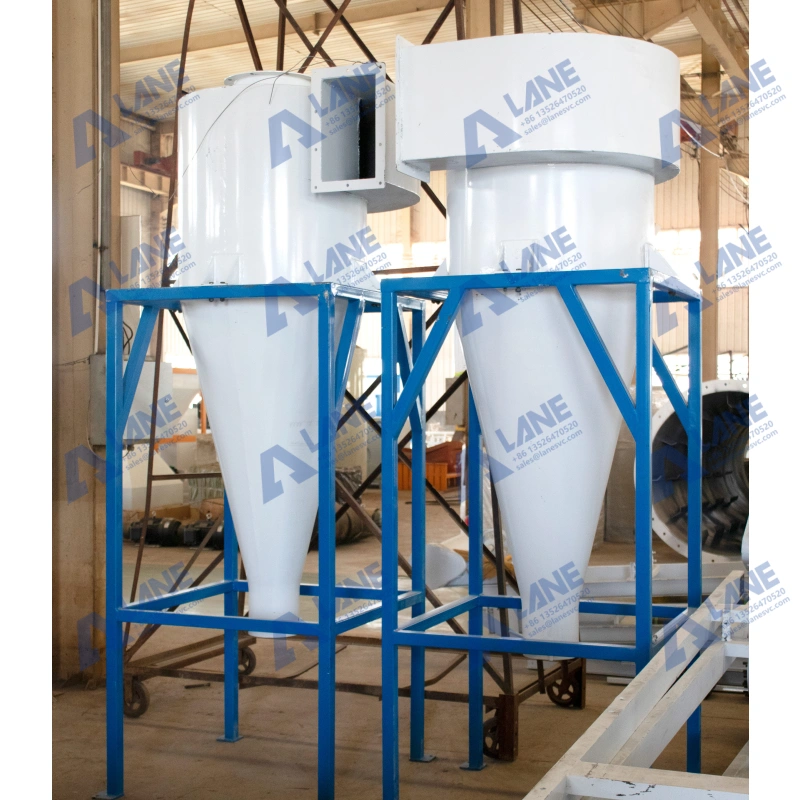
Equipment: Cyclone dust collector, deodorization system, and wastewater treatment facility
The granulation section is a dust-high area. Roller granulation has good tightness and less dust; disc granulation is an open structure with prominent dust. The solution for the organic mineral fertilizer production line is to install an overall sealed protective shell at the granulation work station, leaving only the outlet and maintenance door, closed during production, and open the door during maintenance, and cooperate with the dust removal system to significantly improve the workshop environment. The whole organic mineral fertilizer production line also needs to be equipped with deodorization and wastewater treatment facilities to ensure standard discharge.
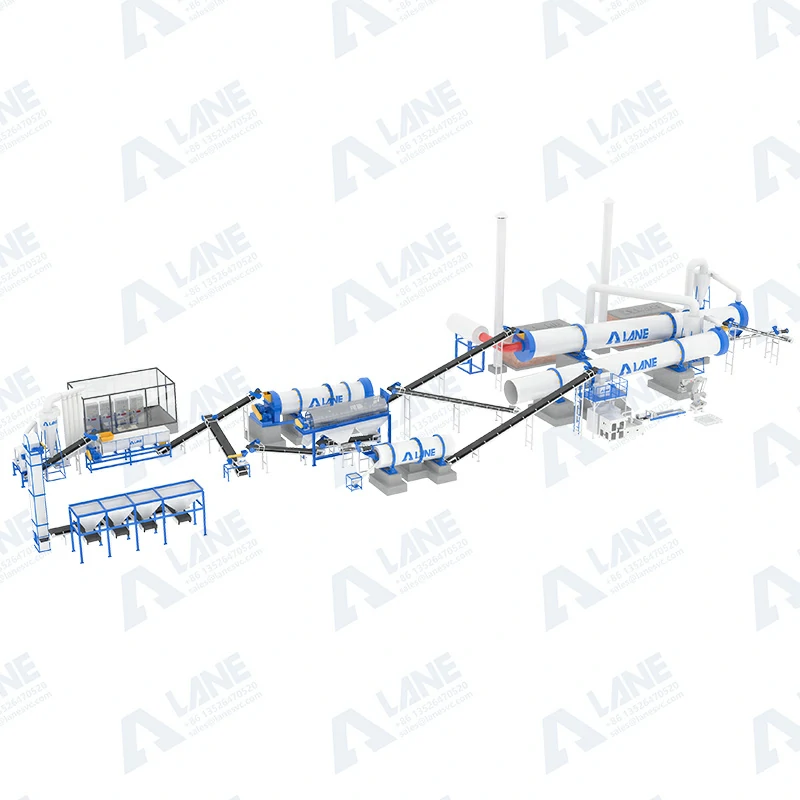
Taking an organic mineral fertilizer production line with an output of 3–5 tons per hour as an example, the overall process is divided into two steps.
> Organic Raw Material Preparation
Loader feeding → aerobic compost turning → semi-wet crushing → vibrating screening → raw material storage silo.
Fermentation is the key to the quality of organic fertilizers. By using belt or crawler type composting machines, the raw materials are first sorted and impurities are removed. A compound microbial agent is added, and the moisture is adjusted to 50%-60%. The fermentation period lasts for 7-15 days, during which the materials are turned over regularly. After complete decomposition, they are crushed through a rotating screen, and the impurities are recycled and reused, achieving zero waste of raw materials.
> Organic Mineral Compounding and Granulation
Automatic batching → crushing and mixing
Dry method (moisture ≤10%): Double-roller granulation → screening → coating → packaging
Wet method (moisture >10%): Rotary drum granulation → drying → cooling → screening → coating → packaging
Small projects choose disc granulation — small footprint, simple operation and maintenance, suitable for farms and small-to-medium enterprises. Large plants choose drum granulation, equipped with an automated control system for real-time parameter monitoring, enabling continuous high-volume production. Plant planning should rationally divide raw material area, fermentation area, production area, and finished product area to minimize material transfer distances.
When operating an organic mineral fertilizer production line, the following points directly affect product quality and production stability:
Raw material homogenization: Organic waste has highly variable composition. It must be stabilized through pretreatment — crushing, moisture adjustment, mixing — otherwise subsequent batching and granulation will easily run into problems.
• Precise temperature control: If drying and granulation temperatures are too low, drying is incomplete and sterilization is insufficient. If too high, active organic components are destroyed, and safety hazards may even arise.
• Anti-caking management: Strictly control final drying moisture and cooling effectiveness. Ensure particle strength and uniformity to avoid breakage and caking during storage and transport.
• Equipment capacity matching: Each unit’s capacity must be coordinated to avoid bottleneck processes. Automatic metering equipment should be calibrated regularly to ensure batching accuracy.
• Drying heat load design: Scientifically calculate the drying system’s heat load to balance efficiency and energy consumption.
Many people think that organic mineral fertilizer production line is just about organic fertilizer mixed with compound fertilizer, and it can be done by changing the ordinary NPK line. In fact, organic materials and mineral materials are completely different in nature, and forcing them into fertilizer equipment will not stabilize the quality and the equipment will not be able to withstand it.
> Three troubles with organic materials
• High humidity: moisture content of 50% to 85% when entering the factory, the high temperature of more than 200 ℃ in the ordinary dryer will burn the organic matter and kill the beneficial bacteria.
• High fiber: easy to entangle the leaves, block the screen, and stop the machine for cleaning
• Density instability: large volume change before and after drying, ordinary feeder can’t be accurate, organic matter content can’t be stabilized
> Two troubles with mineral materials
• Corrosion and moisture absorption: when phosphorus ore and potassium salt come into contact with water, they form corrosive solutions. Organic materials carry water into the mixer, and the surface of carbon steel rusts quickly.
• Wear is large: The ore powder is hard, and the ordinary paddle blades and inner lining are designed for urea, a soft material, which wears out quickly.
> The most overlooked: uneven mixing
The organic powder density is 0.3-0.5 g/cm³, and the mineral powder is 0.8-1.3 g/cm³; the difference is more than twice. This density gap is a core challenge in the organic mineral fertilizer production line. In a common mixer, light particles float upward, and heavy particles sink downward. Some batches have more mineral particles and some have more organic matter, and the nutrient data fluctuates greatly.
> How to solve the problem of specially designed production lines?
• Drying with segmented temperature control, low-temperature preheating + medium-temperature drying, without burning organic matter
• Mixer with low speed and high torque + extended mixing chamber, even if the density difference is large, it can still be mixed
• The contact surface is fully coated with anti-corrosion coating + wear-resistant alloy, which can withstand corrosion and wear.
• Granulation is selected according to the characteristics of the raw material, and the three processes of disc / drum / roller are not applied in a one-size-fits-all manner.
> LANE’s approach
The organic mineral fertilizer production line of Lane Heavy Industry does not change the NPK line, but from the crusher, the feeding system to the granulation, drying and cooling, each link is specially selected for the double heavy work condition of “high moisture organic material + corrosive mineral powder”. The three types of granulation schemes are matched according to the customer’s raw materials, and the strength of the produced granules is stable and the nutrients are uniform, and the long-term maintenance cost is much lower than the cost of modifying the equipment.
Many customers ask the first question when they come, “How much does it cost to build a line?” In fact, there is no standard answer – the investment for a small farm-level and a 100,000-ton-per-year factory for the same organic mineral fertilizer production line can be ten times different. The final budget is influenced by the following factors:
• Capacity: 10,000 tons per year and 100,000tons per year, the equipment specifications differ by several orders of magnitude
• Location of the factory: land prices, labor costs, and transportation costs vary greatly from place to place
• Source of raw materials: Whether there are ready livestock and poultry manure or phosphorus ore resources in the surrounding area directly affects the investment in storage and pretreatment.
• Energy prices: the drying section is a major consumer of energy, and the operating costs of the three schemes of natural gas, biomass, and waste heat recovery are quite different.
• Equipment grade: The price difference between the ordinary configuration and the high-end, wear-resistant and corrosion-resistant configuration of the same granulator can be more than 30%.
• Automation level: semi-automatic manual feeding and full process PLC control, the investment and later labor costs are completely different
According to the industry reference range:
• Small-scale organic mineral fertilizer production line (crushing, mixing, granulating, drying, packaging base five-piece set, annual output of 5,000-10,000 tons): about 80,000-300,000 US dollars
• Medium organic mineral fertilizer production line(add automatic feeding, dust removal and deodorization, cooling screening, annual output of 10,000-50,000 tons): about 400,000 to 1.2 million US dollars
• Large-scale organic mineral fertilizer production line (fully automated control, complete environmental protection system, palletizing robot, annual output of 50,000-200,000 tons): about 1.5 million-5 million US dollars
The specific quotation must be calculated according to the actual process scheme.
Compared with the simple powder organic fertilizer production line, the organic mineral fertilizer integrated line has three more costs:
• Mineral raw material processing section: ores require special crushing and grinding equipment, which is not part of the ordinary organic fertilizer line.
• Composite granulation system: organic materials and mineral materials have large differences in density and humidity, and higher requirements for the mixing uniformity and forming rate of the granulator
• Drying and cooling in sections: Organic materials are afraid of high temperature, and mineral materials need to be fully dried. The drying curve is more complex, and the energy consumption is higher.
When these three pieces are added together, the investment in integrated line equipment is usually 25% to 40% higher than that of a pure organic fertilizer line with the same capacity.
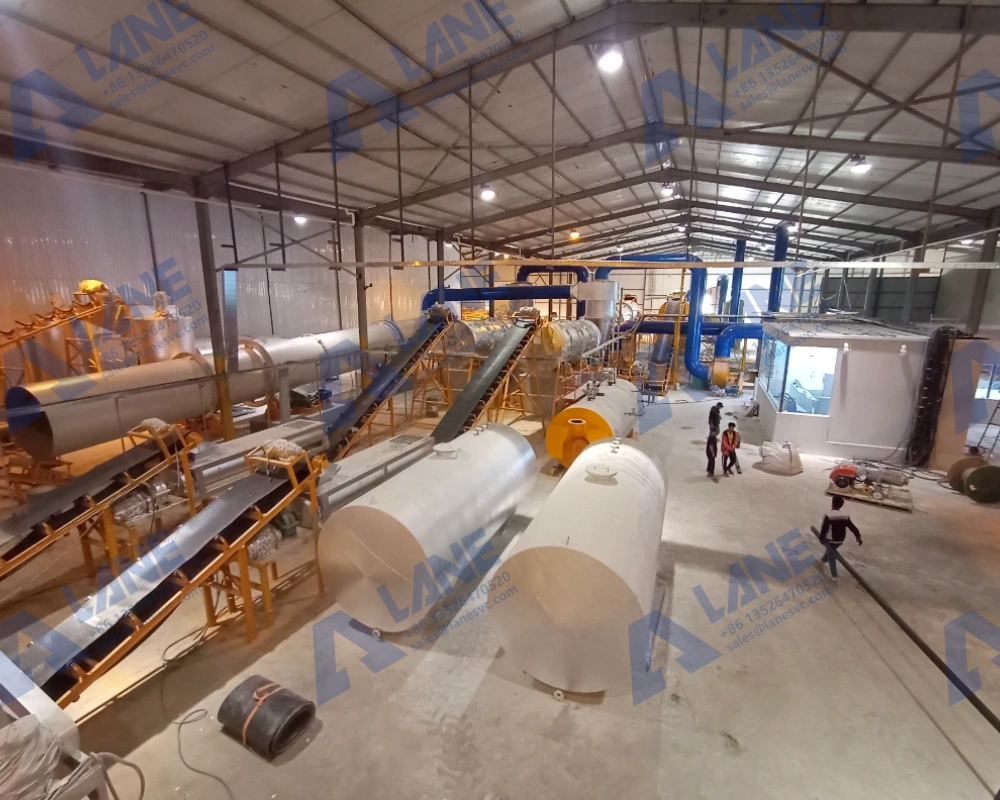
Many people think that buying equipment is all-in, but in fact, equipment procurement usually accounts for only 35% to 60% of the total investment in the project. The remaining money still needs to cover:
• Land acquisition and factory construction
• Civil works for the fermentation workshop, raw material storage yard, and finished product warehouse
• Environmental impact assessment and compliance procedures
• Environmental protection facilities such as dust removal, odor removal, and wastewater treatment
• Equipment installation, commissioning, and operator training
• First batch of raw material inventory and working capital
• Safety production supporting facilities (fire protection, lightning protection, ventilation, etc.)
Among them, the budget for environmental protection and safety is the most easily underestimated – many places have strict requirements for the odor emissions and wastewater treatment of organic fertilizer plants, and this part of the money cannot be saved, and it will be very passive if the initial budget is not enough.
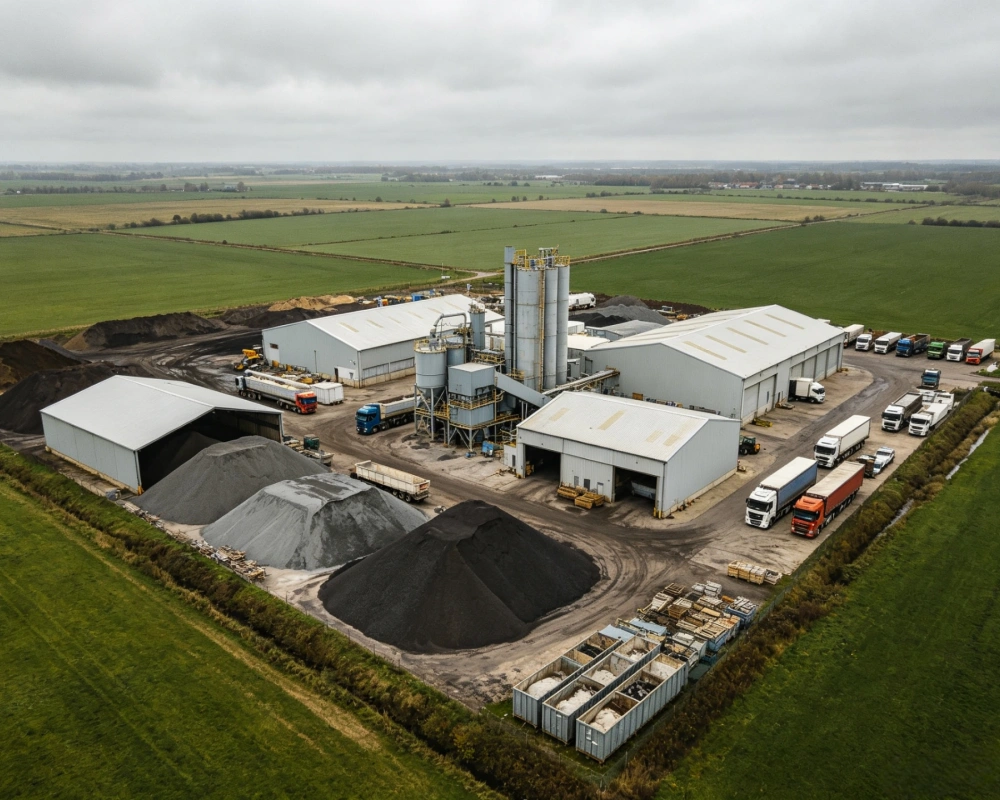
From the projects that have been put into operation, there are successful cases of organic mineral fertilizer production lines in different scales and regions. In a certain palm oil producing area in Southeast Asia, local abundant palm empty fruit bunches and oil pressing waste are used as organic raw materials. Combined with the surrounding phosphate ore resources, a small and medium-sized organic mineral fertilizer production line with a capacity of 3 tons per hour was built. After half a year of production, the products have covered the surrounding rubber and oil palm plantations. The fertilizer particles are uniform and the organic matter of the soil has been significantly improved after application.
Many large livestock counties are also promoting the resource utilization project of livestock and poultry manure, relying on the organic mineral fertilizer production line built in conjunction with the farm, which not only solves the environmental pressure of manure treatment, but also converts waste into commercial fertilizer for sale, thus achieving a win-win situation between environmental benefits and economic benefits.
The common experience of these projects is: do a good job in the stability research of raw materials and the positioning of formulations in the early stage, leave some margin in the selection of organic mineral fertilizer production line, complete small-scale experiments and medium-scale experiments before production, which can significantly reduce the risk of the project.
An organic mineral fertilizer production line, from contract signing to stable commissioning and long-term operation, cannot function without comprehensive after-sales service support. LANE Heavy Industry’s service system covers the entire project lifecycle, including the following:
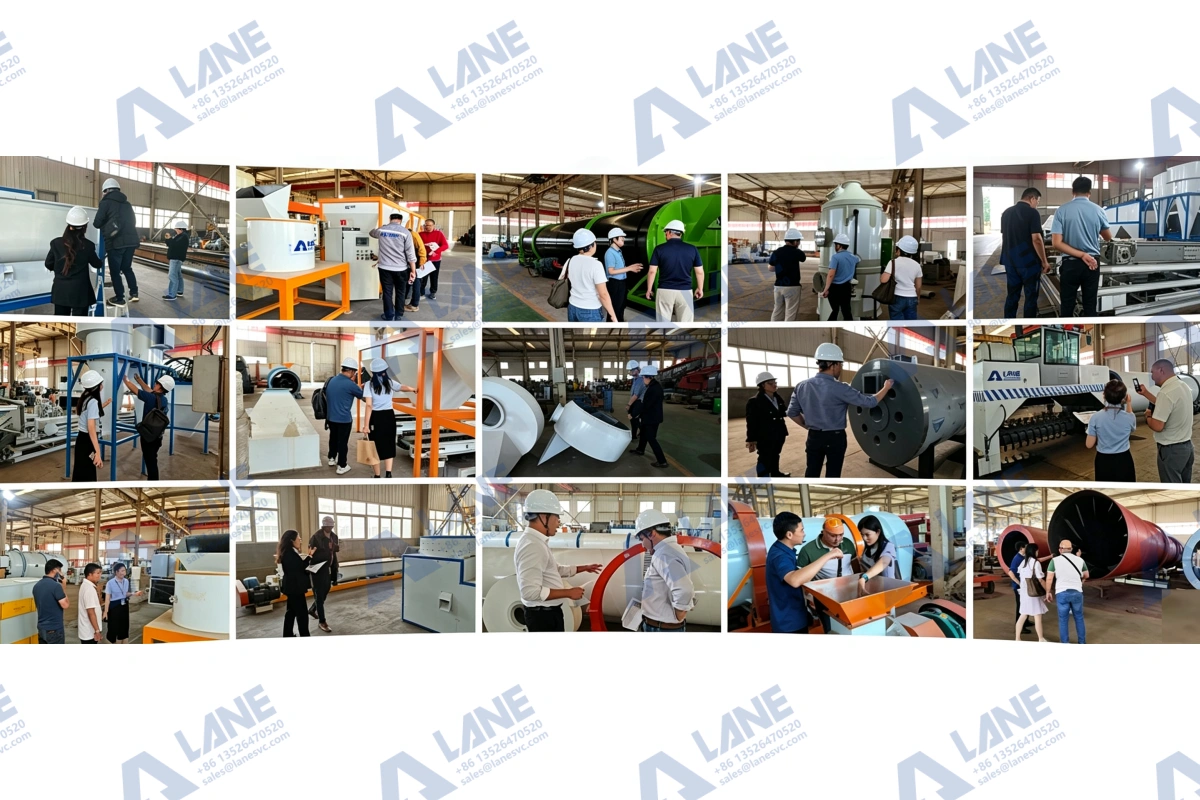
• Pre-project technical support: After contract signing, technical engineers are assigned to provide customized process design and plant layout recommendations based on the customer’s raw material types, capacity targets, site conditions, and budget. We assist customers in preparing technical documents required for environmental impact assessment declarations. Before equipment shipment, customers may send technical staff to our factory for pre‑acceptance to inspect manufacturing quality and witness trial‑run operations on‑site.
• Installation and commissioning: After equipment arrives, senior installation engineers are dispatched to guide on-site installation, responsible for equipment positioning, pipeline connection, electrical wiring, and single-machine debugging. After installation is complete, the entire organic mineral fertilizer production line undergoes linkage trial operation. We use the customer’s actual raw materials for load commissioning until qualified particles are produced, and optimize all process parameters (drying temperature, batching ratio, granulation speed, etc.) to optimal levels before handover.
• Operation training: During commissioning, we simultaneously provide systematic training for customer operators, covering equipment operating procedures, daily maintenance essentials, common fault troubleshooting, and safety standards. Training combines theoretical explanation with on-site practical operation to ensure the customer’s team can independently operate the organic mineral fertilizer production line.
• Warranty and maintenance: The organic mineral fertilizer production line comes with a 12-month warranty (excluding wearing parts). During the warranty period, faults caused by equipment quality issues receive free repair service and replacement parts. Beyond the warranty period, we provide lifetime cost-price parts supply and technical support. We establish customer equipment files, conduct regular follow-ups on operating conditions, and proactively remind customers of wearing part replacement cycles.
• Remote diagnosis and emergency response: The organic mineral fertilizer production line is equipped with a remote monitoring module that collects real-time equipment operating data. Engineers can remotely diagnose most electrical and program faults, shortening response time. For issues that cannot be resolved remotely, we commit to dispatching engineers on-site within 48 hours (domestic); international projects negotiate response timelines based on distance.
• Process upgrading and formula support: If customers later need to adjust product formulas, upgrade capacity, or add new fertilizer categories, we can provide process modification plans and equipment upgrade services, helping customers’ organic mineral fertilizer production lines adapt to market changes and extend equipment service life.
Q1: What raw materials can be processed in the organic mineral fertilizer production line?
A: It is suitable for all kinds of organic waste such as livestock and poultry manure, straw, bacterial residue, kitchen waste, sludge, etc., with phosphate ore, zeolite, bentonite and other mineral raw materials, and the formula adjustment is flexible.
Q2: How much site area is required to build the production line?
A: Small-scale production lines cover a small area, which is suitable for farms and small and medium-sized processing factories; large factories need to combine production capacity for factory planning. The fermentation area and raw material stacking area occupy a large area and need to be accounted for according to the process drawings.
Q3: How to deal with dust at the production site?
A: The drum granulation equipment itself is closed and has less dust; the disc granulation work station can be equipped with an overall sealing cover and cooperate with the dust removal system to effectively suppress dust overflow.
Q4: How to ensure particle strength and prevent storage clumping?
A: Control the granulation pressure, strictly implement the drying temperature range and standardized cooling process, and cooperate with the anti-clotting treatment of the film to ensure the uniform hardness of the particles.
Q5: Can the production line adjust the ratio of organic matter and minerals?
A: The integrated organic mineral fertilizer production line supports flexible formula adjustment, which can produce 20%-50% organic matter products of different specifications, matching the needs of different plots and crops.
The organic mineral fertilizer production line converts agricultural, forestry and animal husbandry waste into resources, and realizes the precise combination of organic materials and mineral nutrients through automated processes. The complete process covers all aspects of fermentation and ripening, mixing of ingredients, granulation and molding, drying and cooling, screening and packaging. Whether it is a farm-level small and medium-sized disc granulation scheme or a 100,000-ton drum granulation large-scale factory, there are corresponding mature configurations.
Against the background of the green and sustainable transformation of agriculture, the layout of organic mineral fertilizer production lines is not only a commercial choice to cut into the blue ocean market of agricultural capital, but also of practical significance to the protection of arable land and stable grain production. If you need to build a new fertilizer factory or upgrade existing equipment, LANE Heavy Industry can provide customized process solutions and complete equipment support according to your actual needs.