author: Zero Shen
from: LANE Machinery Groups
As a naturally occurring mineral rich in calcium and magnesium, dolomite plays a pivotal role in fertilizer production. Compound fertilizers incorporating dolomite powder offer higher economic returns than nitrogen-phosphorus-potassium fertilizers, optimize soil structure, and enhance fertilizer efficiency, establishing them as a highly competitive presence in the fertilizer market.
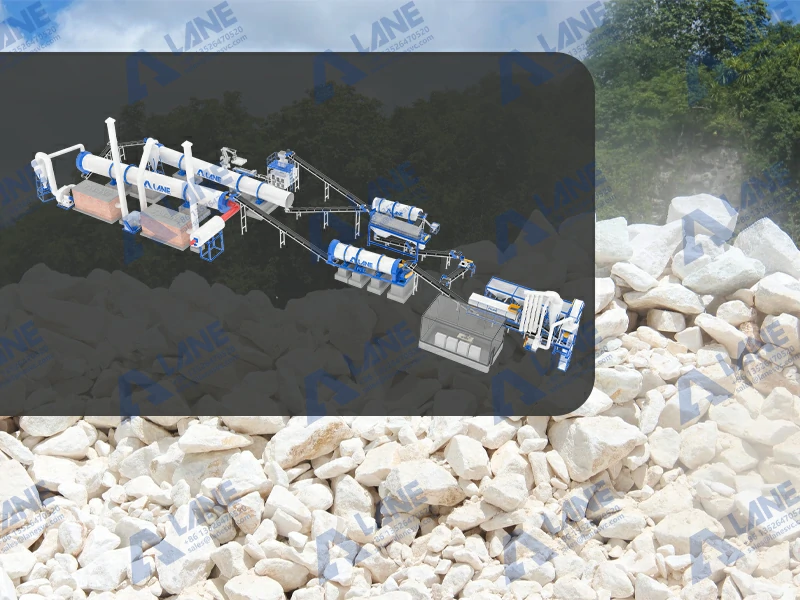
The global dolomite market was valued at approximately USD 1.92 billion in 2023 and is forecast to reach USD 3.42 billion by 2032, growing at a CAGR of nearly 7.6% driven by construction, agriculture, and steel sectors.
In this growth trend, dolomite’s agricultural uses (such as soil conditioners, fertilizers, additives, etc.) are steadily rising. Growing focus on comprehensive nutrition drives efforts to incorporate more trace elements, enhancing product competitiveness.
At the same time, South American fertilizer markets have seen policy-driven shifts. For example, Brazilian state-run Petrobras is targeted to supply roughly 20% of national nitrogen fertilizer demand by 2026 through restarting idle plants — a move aligned with federal goals to lessen import dependence and improve domestic production capability.
Despite this, challenges in fertilizer production persist: Due to market volatility and operational pressures, some leading fertilizer producers have initiated strategic adjustments in Latin America, gradually scaling back their production efforts in the region.
Dolomite (chemical formula CaMg(CO₃)₂) supplies both calcium (Ca) and magnesium (Mg) — two secondary nutrients often deficient in tropical and subtropical soils. It also plays multiple roles in fertilizer systems:
Adjusts soil pH and improves acidic soil conditions
Supplies magnesium necessary for chlorophyll synthesis
Acts as a mineral carrier in NPK and blended fertilizers
Improves granule strength and flowability in compound fertilizers
These functions are critical in soils where nutrient imbalance and acidity limit crop yields.
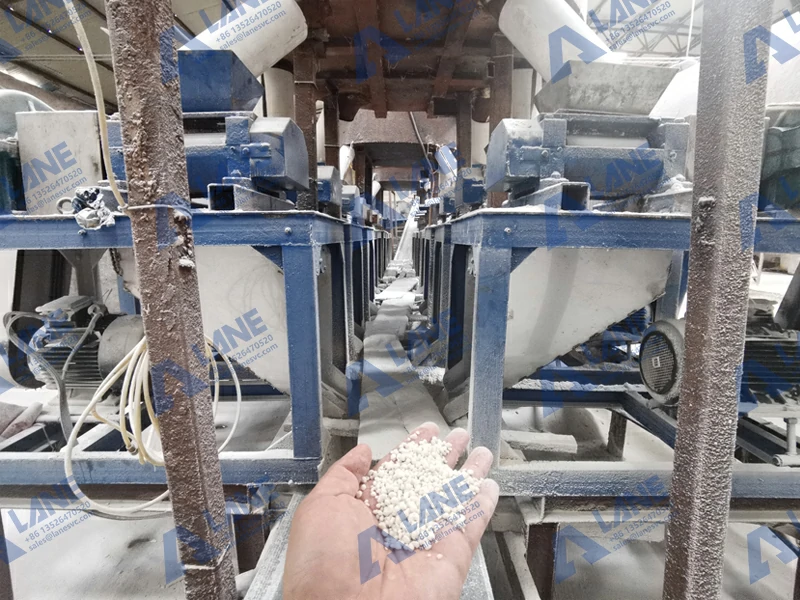
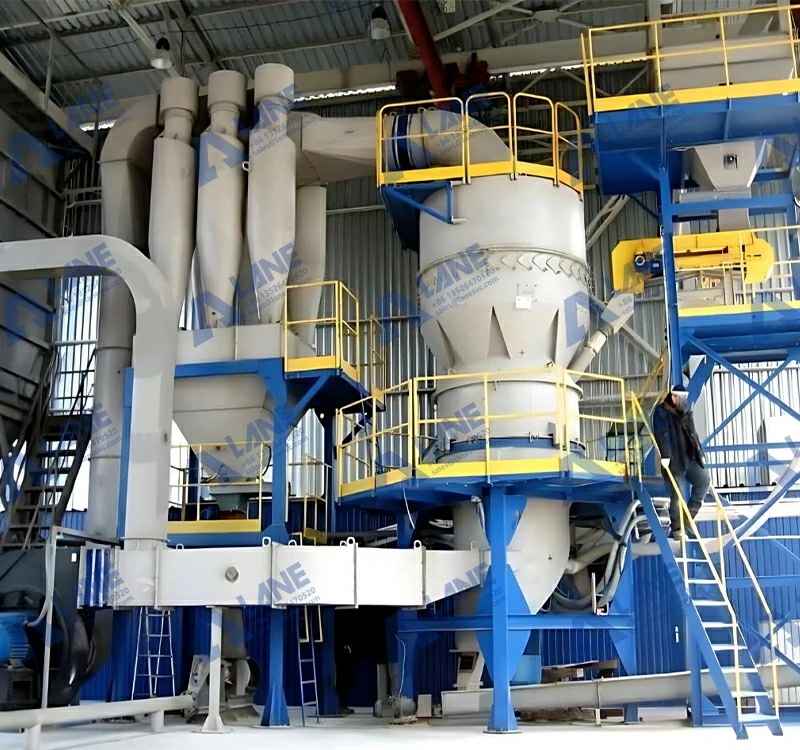
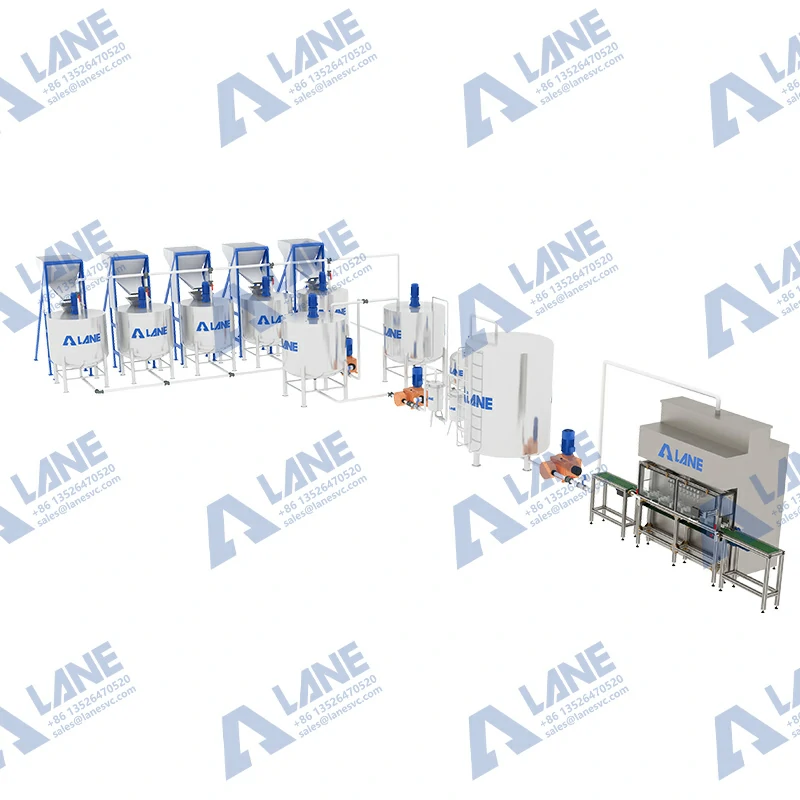
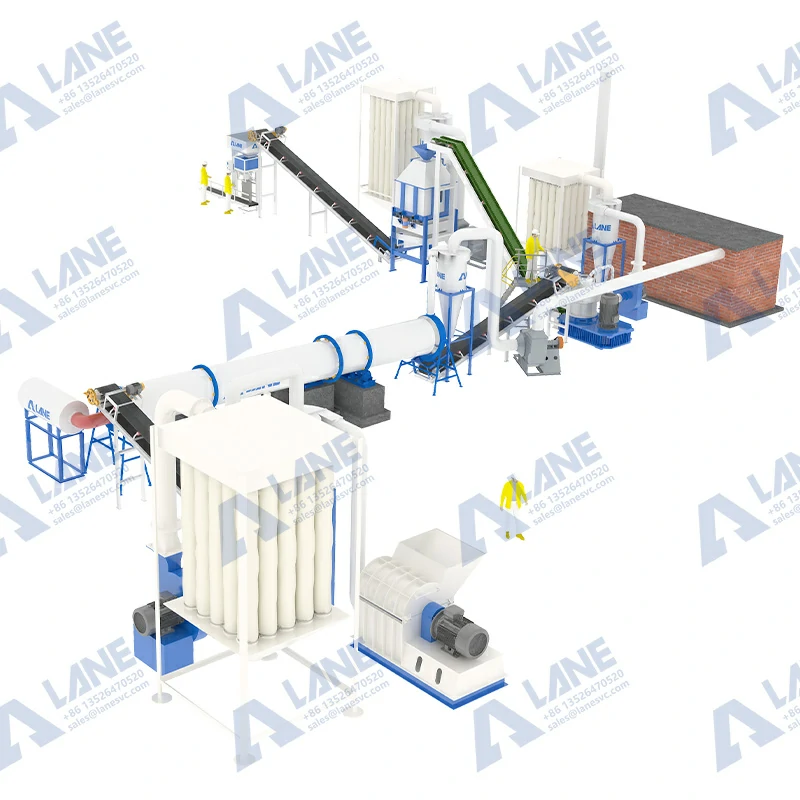
Designing a 100,000 tons/year dolomite npk fertilizer line goes beyond simple crushing. A modern industrial plant integrates mineral processing with fertilizer manufacturing systems. Typical configuration includes:
Raw Material Handling & Crushing
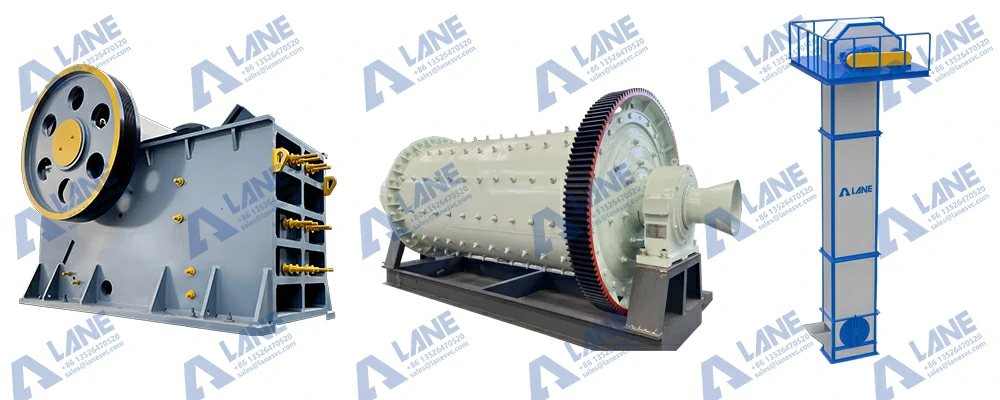
Ore size reduced by jaw crusher or hammer crusher
Uniform feed size for downstream grinding
Grinding & Powder Production
Processing with mills (e.g., raymond or vertical mills)
Final powder particle size range: 500–800 mesh, suitable for fertilizer and granulation systems
Moisture & Product Conditioning
Controlled final moisture ≤ 1%–1.5% to ensure storage stability and prevent caking
Precise blending systems prepare raw mix for granulation
Granulation
LARD drum granulator series produces stable mineral granules
Granule size controlled to meet customer application requirements
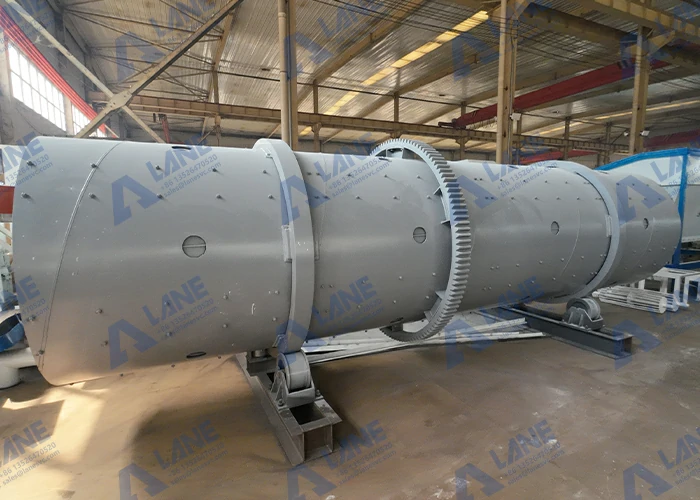
Drying & Cooling
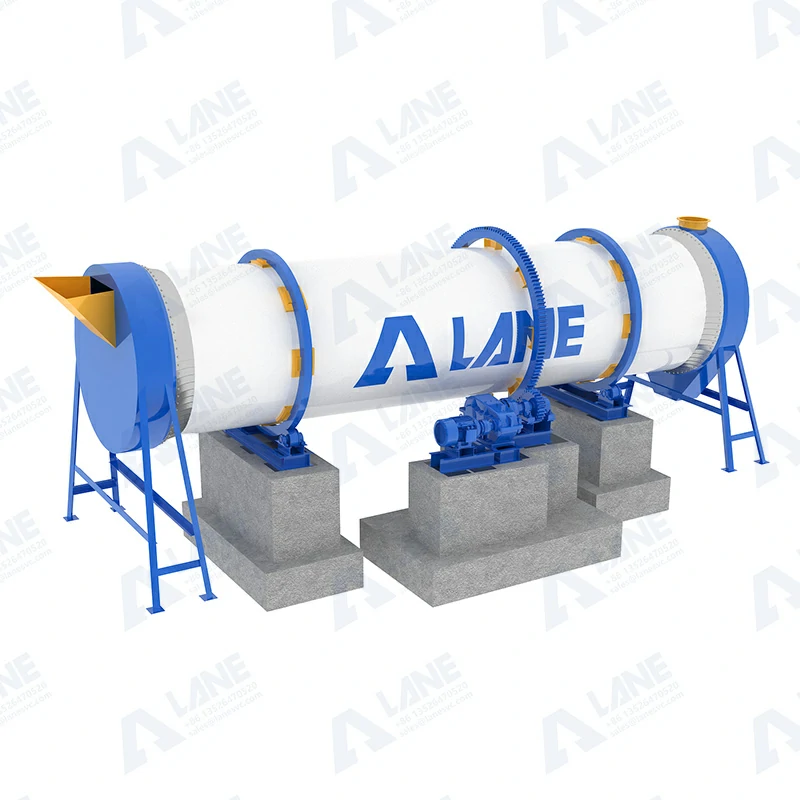
Rotary dryers with staged airflow
Cooling section ensures product stability before packing
In large-scale fertilizer production, performance metrics matter:
Energy Consumption
Typical energy usage ranges between 23–30 kWh per ton of finished mineral product
Includes grinding, mixing, and granulation stages
Dust & Emissions
Equipped with advanced dust collection systems
Post-treatment emissions controlled to < 25 mg/m³, meeting strict environmental standards
Automation & Control
Integrates Siemens / ABB / Schneider electric drives and control systems
PLC automation for consistent operation and quality tracking
These parameters ensure consistent product quality while optimizing power usage and environmental compliance.
Processed dolomite serves multiple fertilizer roles:
1. Magnesium-Calcium Fertilizer
Dolomite is used directly as magnesium-calcium fertilizer in regions with Mg-deficient soils. Its slower-release profile makes it suitable for long-term soil conditioning.
2. Addition in NPK Blends
As a filler and pH modifier, dolomite enhances properties of NPK blends — especially in granule shape, density, and nutrient balance.
3. Organic & Mineral Mixes
Integrated in organic fertilizer blends, dolomite improves mineral nutrient content while supporting soil health over time.
For 100,000 t/a-class fertilizer plants in markets like Bolivia and broader South America, project success hinges on:
Turnkey EPC delivery capability, minimizing commissioning time
High-quality equipment design and European automation
After-sales services and remote technical support
Adaptation to local mineral characteristics and climate conditions
This ensures plants deliver market-ready products with minimal downtime and consistent performance.
Amid global fertilizer market shifts and agricultural productivity demands, dolomite for fertilizer production offers dual advantages of soil improvement and nutrient enrichment. Through LANE designed dolomite compound fertilizer production plant, natural dolomite is processed into calcium-magnesium compound fertilizer granules, meeting evolving market fertilizer requirements.
As a Chinese fertilizer equipment manufacturer with 20 years of experience, LANE has partnered with clients across multiple countries. Leveraging technical expertise and strategic project delivery capabilities, we have successfully constructed industrial-scale fertilizer plants that achieved smooth commissioning.
If you are interested in initiating a dolomite for fertilizer production project, feel free to contact us anytime to obtain your customized solution!