Bat guano fertilizer is an organic fertilizer material that can contain relatively high levels of nitrogen, organic matter, and phosphorus. However, fresh bat guano should not be directly applied to crops. Its composition can vary considerably depending on the bat species, diet, collection conditions, freshness, and the amount of foreign material mixed into the guano.
For safe and consistent bat guano fertilizer production, the raw material should first undergo controlled aerobic composting, high-temperature fermentation, curing, and laboratory testing before it is processed into a commercial fertilizer.
This guide explains how to compost bat guano, how to balance carbon and moisture, how to control the high-temperature fermentation stage, and how composted bat guano can be processed into powder or granular organic fertilizer.
Bat guano is the accumulated fecal material of bats. Depending on its source, it can provide organic matter and plant nutrients, particularly nitrogen and phosphorus.
This makes bat guano potentially useful as an organic fertilizer raw material. However, its nutrient composition is not fixed.
The actual nitrogen, phosphorus, organic matter, moisture, mineral content, and potential contaminants should be determined through testing rather than estimated from the material’s appearance.
Therefore, the basic principle of bat guano fertilizer production is:
Do not treat fresh bat guano as finished fertilizer. Compost, cure, test, and then process it according to the intended fertilizer standard.
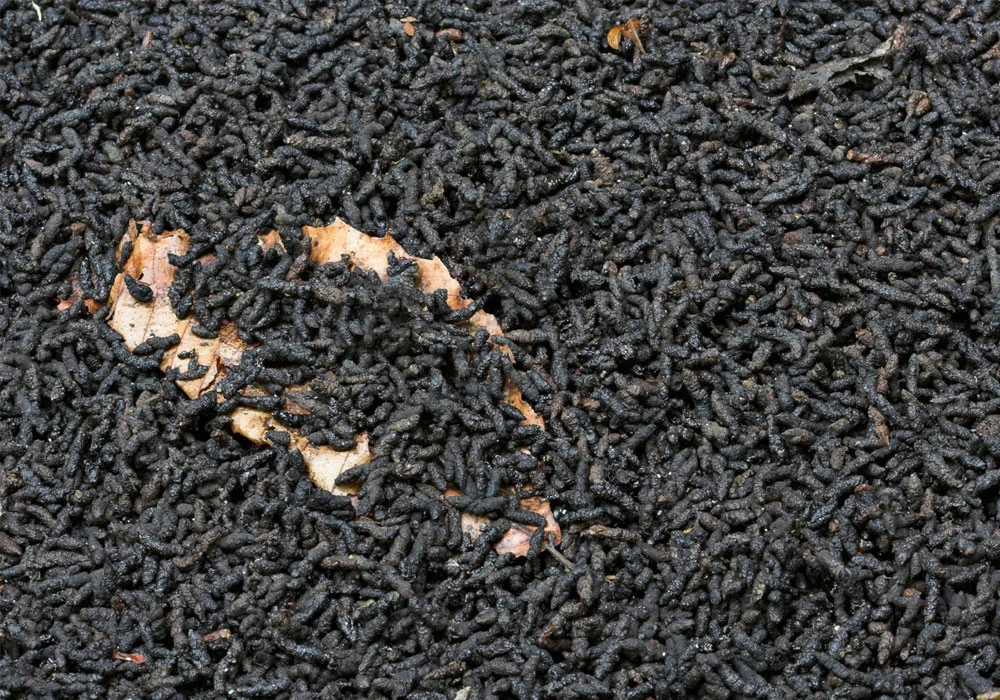
Yes, bat guano can be used as an organic fertilizer raw material after appropriate treatment.
Fresh or poorly composted bat guano should not be directly applied to crops because it may have:
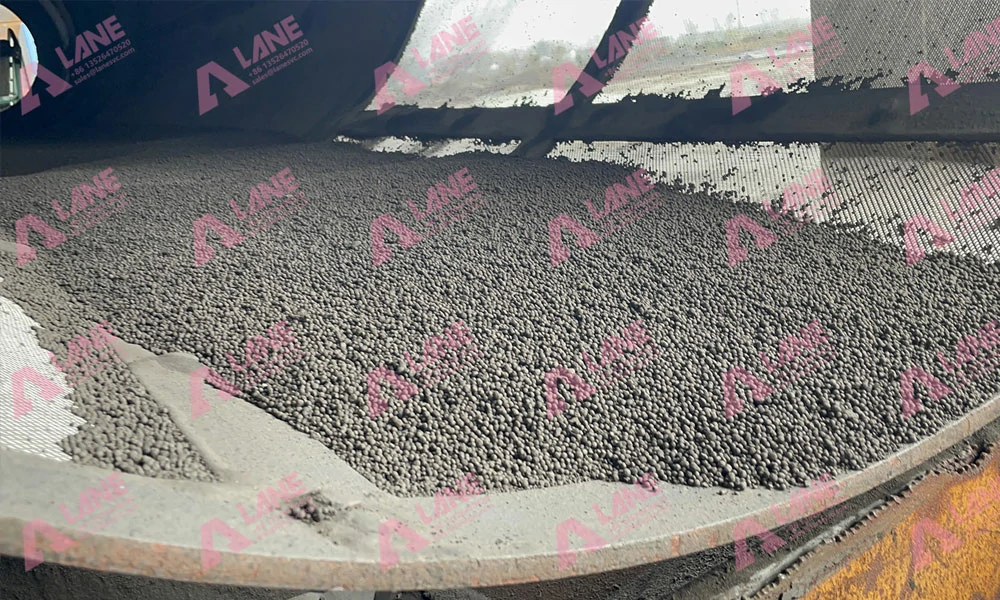
A controlled bat guano composting process converts the raw material into a more stable organic fertilizer material.
The final product should be evaluated based on laboratory analysis and the fertilizer regulations applicable in the target market.
A practical bat guano composting process can be divided into the following stages:
Legal collection → Dust suppression → Sorting → Carbon material mixing → Moisture and C/N adjustment → High-temperature aerobic composting → Turning/aeration → Curing → Laboratory testing → Screening or granulation → Packaging
Each stage affects the stability and quality of the final bat guano fertilizer.
The first step is to obtain bat guano from a legal and traceable source.
Collection should comply with local wildlife protection, waste handling, environmental, and fertilizer regulations. Workers should not enter caves, disturb bat colonies, or damage protected habitats simply to collect guano.
Large-scale removal of accumulated bat guano should preferably be handled by personnel equipped for biological material handling.
Dry bat guano can generate considerable dust when it is moved, crushed, or mixed.
For this reason, dry sweeping, blowing, or throwing the material should be avoided. Lightly wetting the material before handling can help reduce airborne dust.
Workers should use suitable respiratory protection, gloves, eye protection, and protective clothing according to the risk assessment and local occupational-safety requirements.
Particular care is necessary when disturbing dry accumulations because fungal spores, including Histoplasma, can be present in environments contaminated with bat or bird droppings.
Bat guano generally should not be composted as a single raw material.
A practical bat guano compost formulation normally combines the guano with carbon-rich and structurally useful materials such as:
These materials perform two important functions.
First, they increase the carbon content and help balance the nitrogen-rich guano. Second, coarse materials create air spaces inside the composting mass and improve aeration.
| Parameter | Practical Target |
|---|---|
| Initial C/N ratio | About 25:1–35:1 |
| Moisture content | About 50%–60% |
| Structure | Loose and porous |
| Oxygen supply | Sufficient aeration |
| Odor | No persistent strong ammonia or rotten odor |
There is no universal bat guano to carbon material ratio that works for every project.
The correct mixing ratio depends on the actual nitrogen and carbon content of the available raw materials.
For commercial production, laboratory analysis of the raw materials is therefore preferable.
A strong ammonia odor usually indicates excessive available nitrogen, insufficient carbon material, or inadequate aeration.
If the compost does not heat up, possible causes include:
A small pilot batch is often the simplest way to determine the appropriate formulation before scaling up.
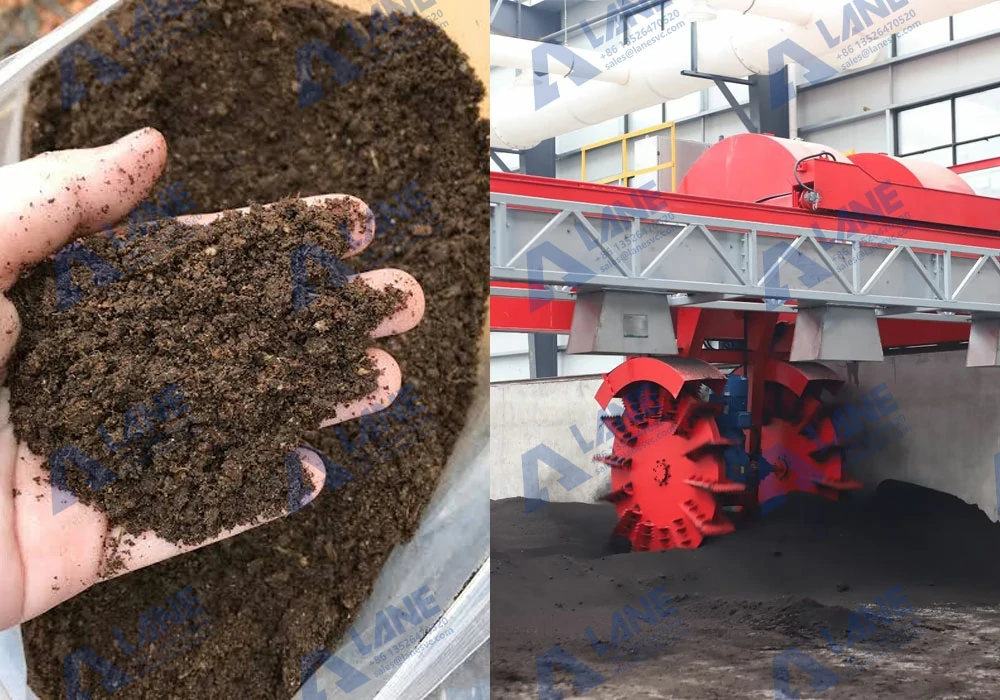
After mixing, the material enters the active composting stage.
The objective is to create suitable conditions for aerobic microorganisms to break down unstable organic matter while the compost temperature rises.
Depending on the production scale, several composting systems can be considered.
Windrow composting is suitable for relatively simple and flexible production systems.
The mixed material is arranged into long composting piles and periodically turned to redistribute oxygen and bring outer material into the hotter central area.
A forced-aeration system supplies air through the composting mass without relying entirely on mechanical turning.
This can be useful where temperature and oxygen conditions need more controlled management.
For larger commercial fertilizer projects, enclosed fermentation rooms, composting vessels, or other controlled systems can provide better management of ventilation, temperature, and material movement.
The appropriate system depends on production capacity, available space, raw material characteristics, environmental requirements, and investment budget.
Temperature is one of the most important indicators during the active composting stage.
A long-stem compost thermometer should be used to monitor the center and, where practical, other parts of the compost pile.
The compost should enter a thermophilic stage, with the material reaching approximately 55°C or higher under appropriate operating conditions.
However, temperature alone does not prove that the material is completely sterile or safe.
For windrow composting, the pile should be turned sufficiently so that material from the outside is repeatedly brought into the high-temperature zone.
Some composting standards use specific temperature-and-time combinations for pathogen reduction. For example, certain sludge composting requirements use 55°C or higher for a defined period with multiple turnings. Such requirements should not automatically be treated as the legal standard for bat guano.
The actual regulatory requirement depends on the product category and destination market.
Check:
If necessary, adjust the moisture level or formulation and remix the material.
Add suitable carbon-rich materials such as:
At the same time, improve aeration.
Strong ammonia odor generally indicates that nitrogen is being lost or that the mixture does not have an appropriate carbon balance and ventilation condition.
Excessively high temperatures should be controlled through turning and aeration.
The objective is not simply to achieve the highest possible temperature. Proper composting requires a balance between temperature, oxygen, moisture, and microbial activity.
After the main high-temperature composting stage, the material should not immediately be packaged or applied to crops.
It should enter a curing stage.
During curing, the remaining organic material continues to stabilize and the compost gradually approaches ambient temperature.
Depending on the formulation and production system, curing may require several weeks. Materials containing a relatively high proportion of bat guano may benefit from a more complete curing period.
A curing period of approximately 1–3 months can be considered as a practical reference for conventional composting, but the actual required period should be determined by the condition of the material and the applicable product requirements.
Composted material should generally show the following characteristics:
These observations are useful process indicators, but they do not replace laboratory testing.
Before selling or applying bat guano fertilizer, the finished product should be tested.
Important parameters may include:
Depending on local regulations and product classification, testing may include:
Potentially relevant heavy metals include:
The exact testing list should be determined according to the local fertilizer regulations and the intended product category.
For example, China has agricultural industry standard NY/T 525—2021 Organic Fertilizer. Commercial fertilizer producers should always verify the current applicable standards and regulatory requirements rather than creating their own definition of a “qualified” product.
Once the compost has been properly matured and tested, it can be processed according to the target product.
For powder fertilizer, the basic process can include:
Cured compost → Screening → Foreign-material removal → Quality inspection → Packaging
This is the simplest processing route when the finished material already has suitable moisture and particle characteristics.
If the market requires a granular product, additional processing is necessary.
A typical production process may include:
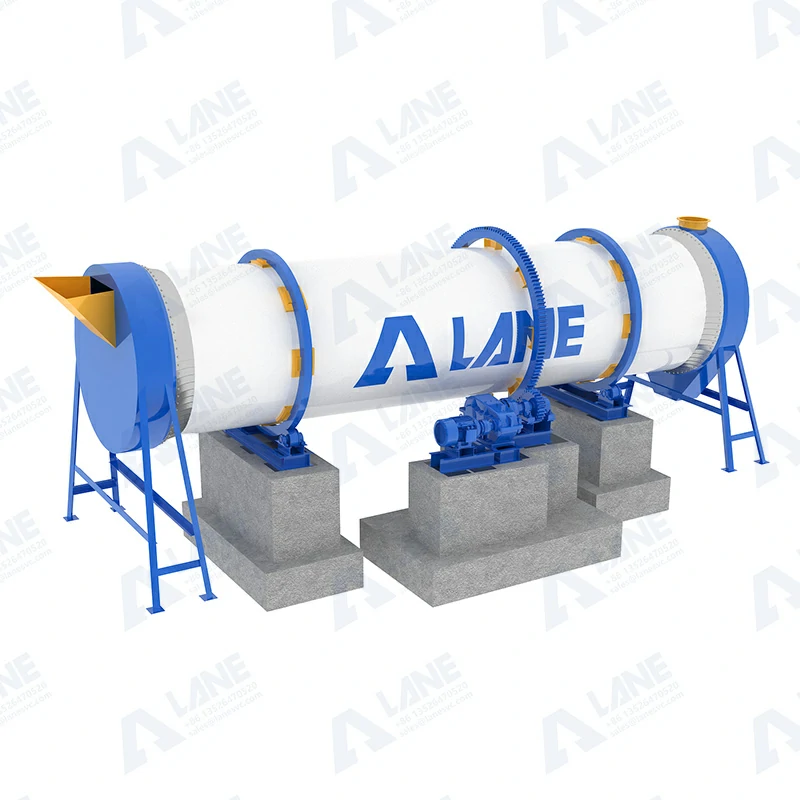
Cured compost → Crushing → Mixing → Granulation → Drying → Cooling → Screening → Packaging
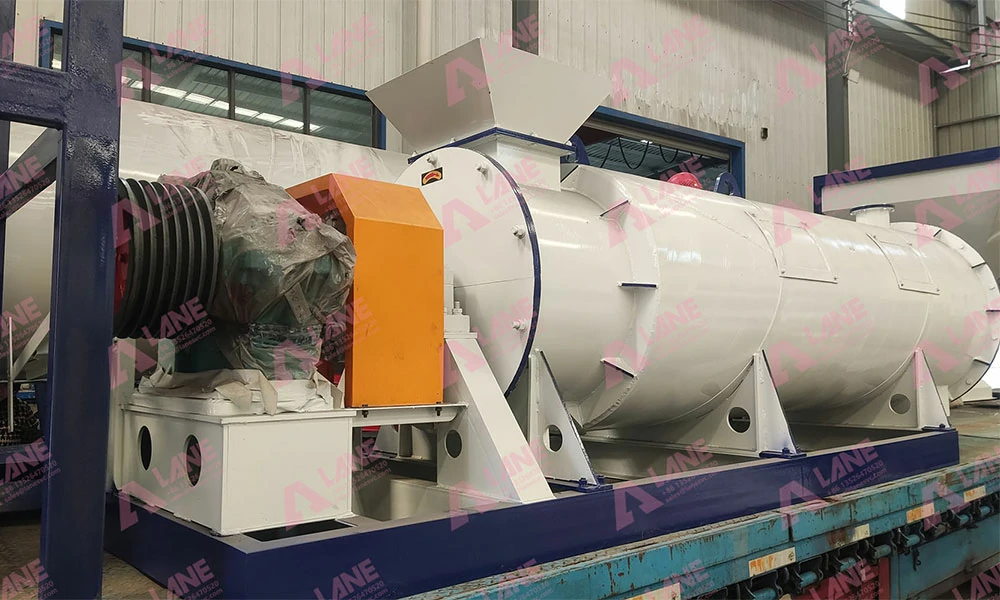
Depending on the material properties and target particle size, different organic fertilizer granulators may be selected.
Additional organic materials can also be incorporated into the formulation, provided they are legal and suitable for the intended fertilizer product.
Granulation offers several practical advantages, including easier handling, more uniform application, reduced dust, and improved storage and transportation characteristics.
Yes.
Bat guano can be used as one component of a broader organic fertilizer formulation.
Potential materials include:
The formulation should be based on actual nutrient analysis rather than simply adding as much bat guano as possible.
This is particularly important when the final product has a relatively high phosphorus concentration.
Long-term excessive phosphorus application can contribute to phosphorus accumulation in soil and potential environmental problems.
Properly processed and tested bat guano fertilizer can be used as an organic fertilizer, but fresh bat guano should not be assumed to be safe for direct crop application.
The final fertilizer should be sufficiently composted and cured, and its nutrient, hygienic, and contaminant parameters should meet the requirements of the intended market.
Application rates should be based on:
Fresh bat guano should not be placed directly around plant stems or roots.
It should also not be used directly in seedling media unless its maturity and suitability have been properly evaluated.
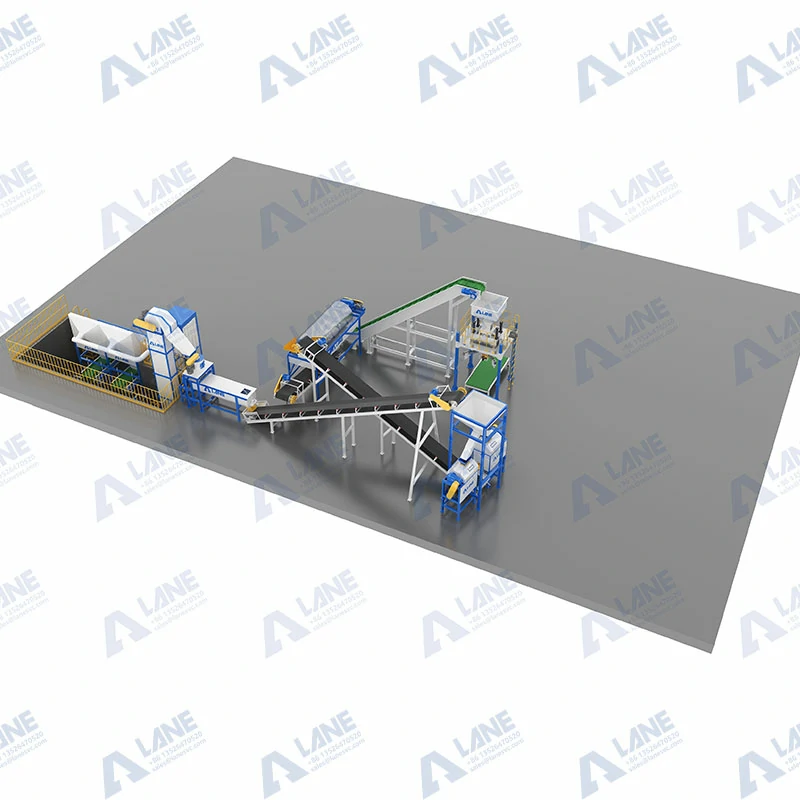
For small-scale production, a relatively simple composting and screening system may be sufficient.
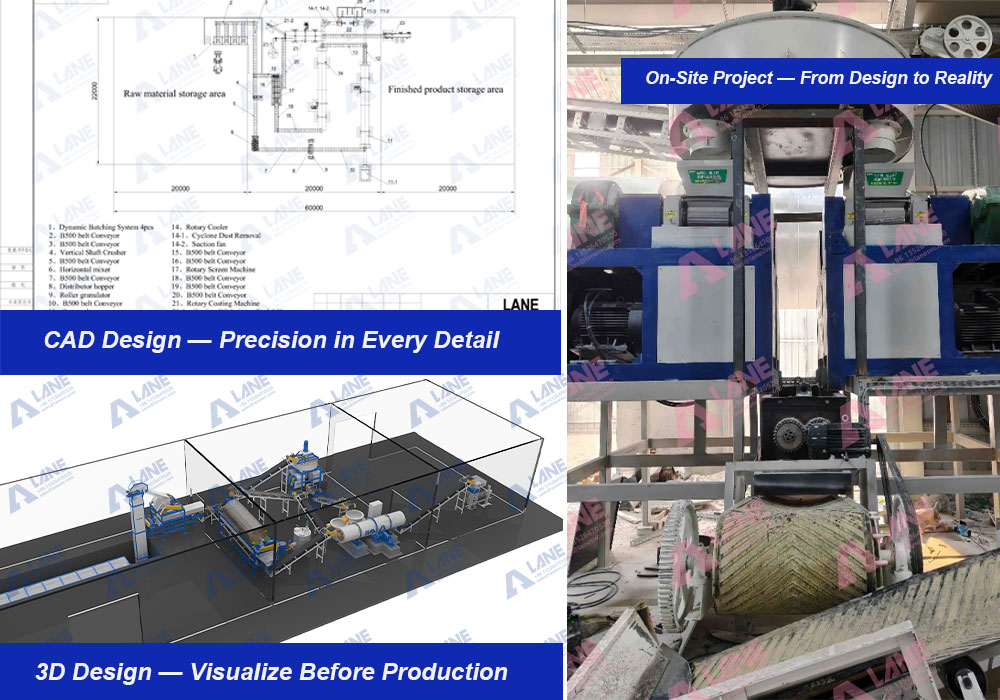
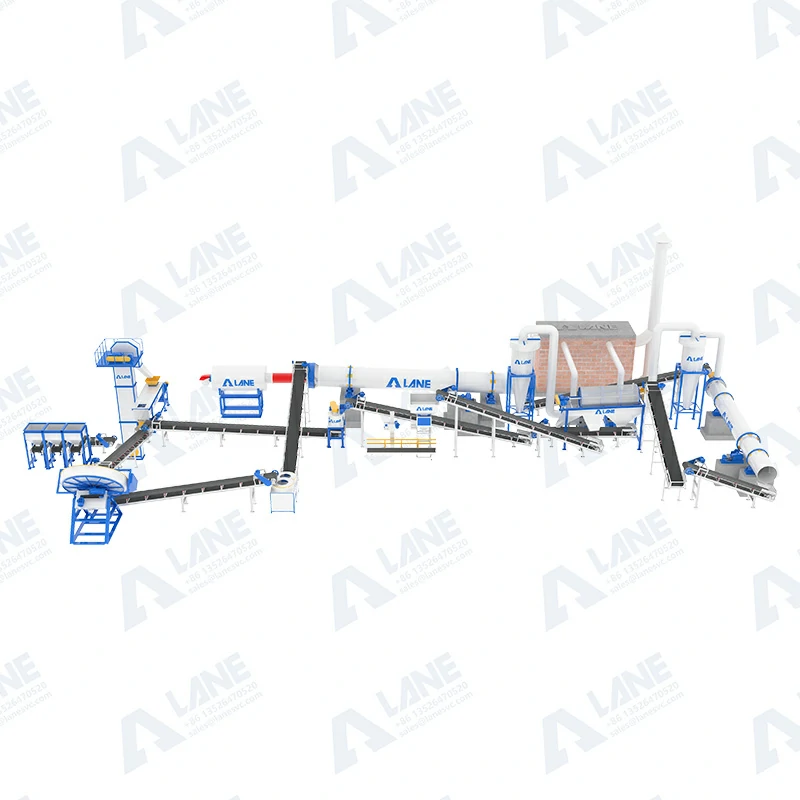
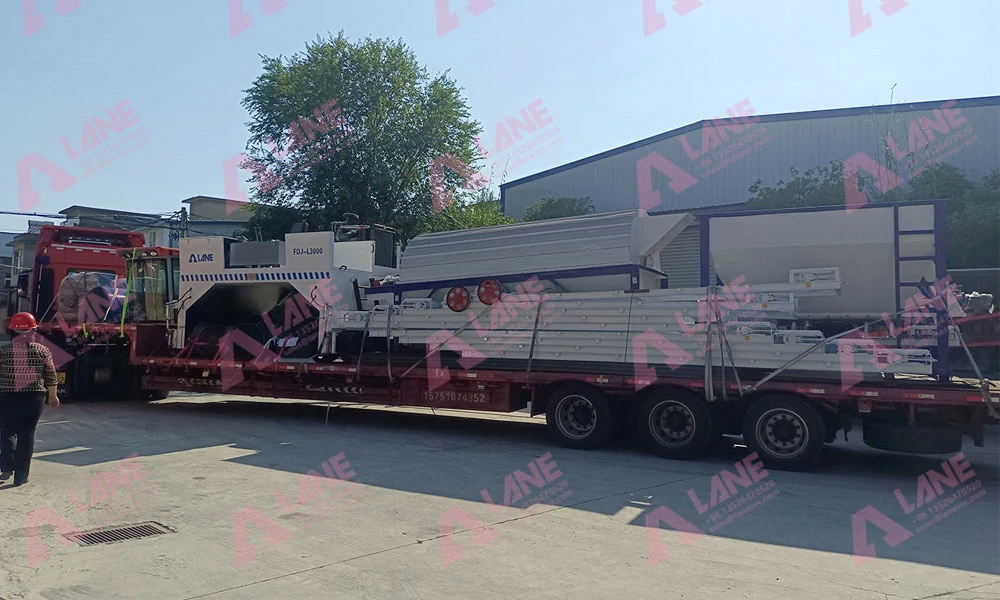
For commercial bat guano fertilizer production, the process can be expanded into a complete organic fertilizer production line.
A typical line may include:
The bat guano fertilizer production equipment configuration should be determined according to the raw material characteristics, production capacity, finished fertilizer type, particle size, plant layout, local electricity conditions, and budget.
For example, a project using relatively dry bat guano and plant residues may require a different preparation and moisture-control system from a project processing wet, contaminated, or mixed organic material.
A practical commercial process can be summarized as:
Legal and traceable collection
↓
Dust suppression and sorting
↓
Raw material testing
↓
Mixing with carbon-rich materials
↓
C/N and moisture adjustment
↓
High-temperature aerobic composting
↓
Turning and aeration
↓
Curing
↓
Laboratory testing
↓
Crushing and screening
↓
Granulation, if required
↓
Drying and cooling
↓
Final screening
↓
Packaging and storage
This process transforms unstable raw bat guano into a more stable organic fertilizer material suitable for further processing.
The fertilizer value of bat guano should not be considered separately from worker safety and environmental management.
During collection and processing:
High-temperature composting reduces biological risks, but it should not be described as absolute sterilization.
Similarly, a dark color or absence of odor alone does not prove that a fertilizer is safe or compliant.
Yes. Bat guano can be composted through controlled aerobic fermentation. It is generally better to mix it with carbon-rich structural materials and control moisture, C/N ratio, oxygen, and temperature.
A basic process is to mix bat guano with suitable carbon-rich materials, adjust moisture and C/N ratio, conduct high-temperature aerobic composting, cure the material, test it, and then screen or granulate it according to the final product requirements.
An initial C/N ratio of approximately 25:1–35:1 is a practical composting target. The exact mixing ratio should be calculated from laboratory data because bat guano composition varies significantly.
A moisture content of approximately 50%–60% is a useful starting range for aerobic composting. Excessive moisture can reduce air spaces and create anaerobic conditions, while insufficient moisture can slow microbial activity.
It is not recommended to apply fresh bat guano directly to crops. It should first be properly composted, cured, and tested.
Yes. Properly composted bat guano can be incorporated into a granular organic fertilizer formulation. Depending on the material characteristics, the production process may include crushing, mixing, granulation, drying, cooling, screening, and packaging.
Bat guano can contain significant nitrogen, but its nutrient composition varies according to source, bat species, diet, age, and contamination. Laboratory analysis should be used to determine the actual nutrient content.
Some bat guano deposits can contain considerable phosphorus. However, phosphorus content varies significantly between sources. A finished fertilizer should be tested before determining application rates.
Bat guano has potential as an organic fertilizer raw material because it can provide nitrogen, phosphorus, and organic matter. However, bat guano fertilizer production is not simply a matter of collecting guano and applying it to farmland.
A controlled process is required:
Source → Prepare → Mix → Compost → Turn → Cure → Test → Process → Package
The most important factors are the initial raw material quality, carbon balance, moisture, aeration, temperature, curing, and final laboratory testing.
For commercial production, the production line should be designed around the actual bat guano composition and the required finished fertilizer specifications rather than using a fixed equipment configuration.
If you are planning a bat guano organic fertilizer production line, the required equipment and process can be customized according to your raw material analysis, production capacity, finished fertilizer type, particle size, and available plant space.