author: Zero Shen
from: LANE Machinery Groups
As global agriculture moves toward sustainability, environmental protection, and reduced chemical inputs, plant biostimulants have emerged as one of the fastest-growing sectors in the agricultural input industry.
According to industry reports, the global biostimulant market was valued at more than USD 2.6 billion and is expected to exceed USD 5 billion within a few years, maintaining double-digit annual growth rates. Asia-Pacific, especially China, India, and Australia, is becoming one of the most rapidly expanding markets.
For investors, fertilizer manufacturers, agricultural companies, and entrepreneurs seeking new opportunities, establishing a Biostimulant Production Line has become an attractive and profitable business direction.
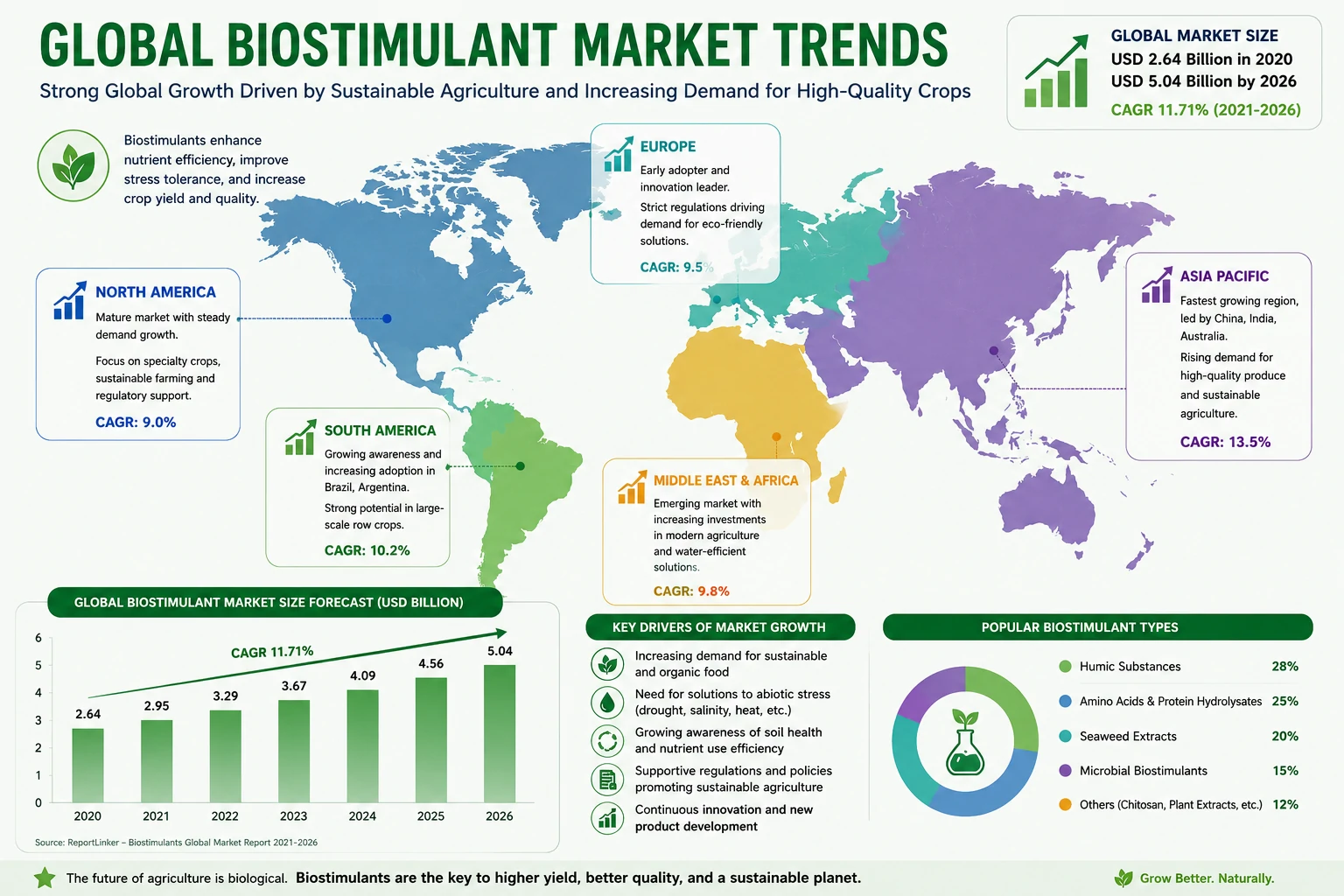
This guide explains what biostimulants are, where they come from, how they are manufactured, what equipment is required, and how LANE can help build a complete turnkey biostimulant production plant.
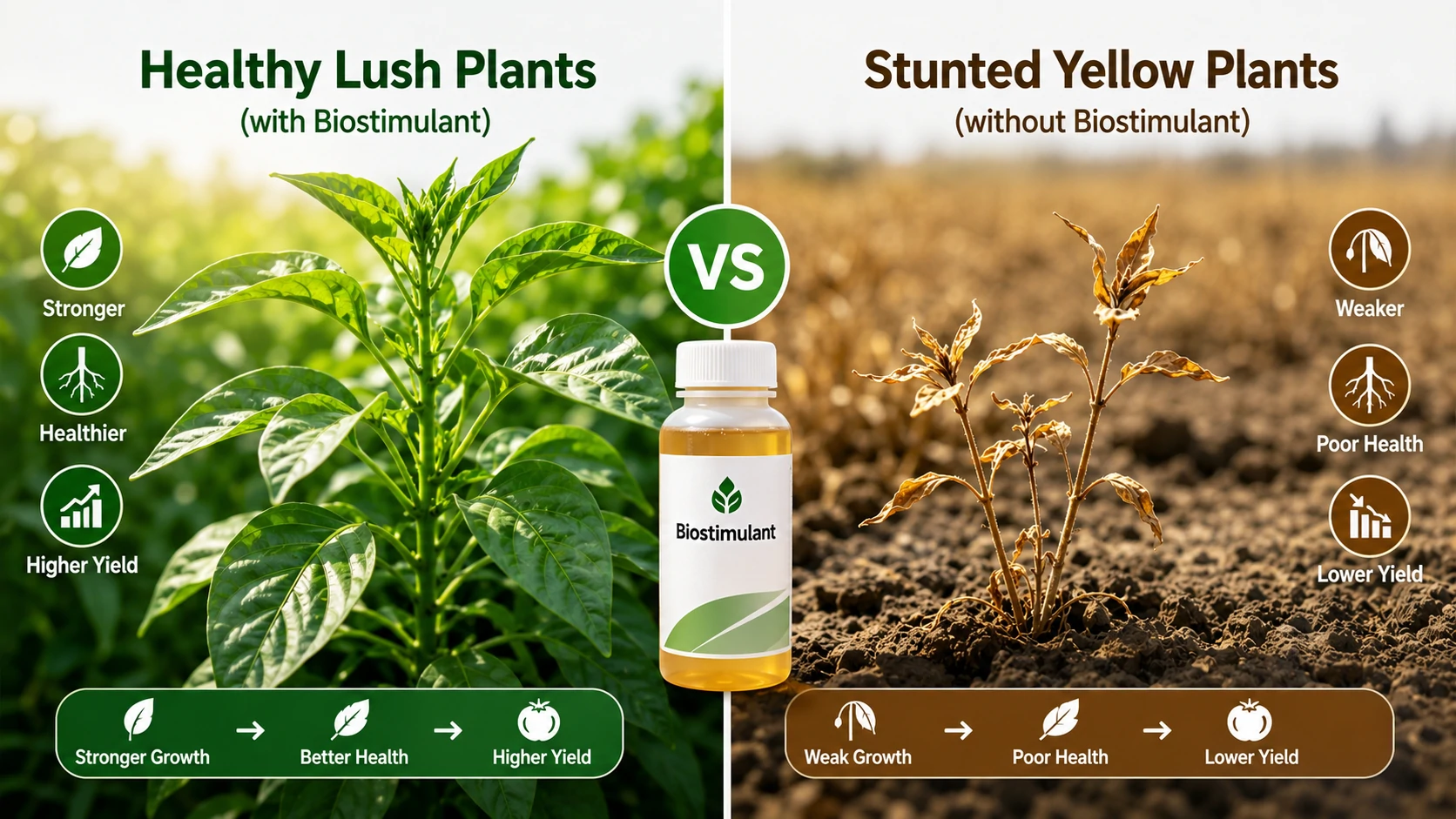
Plant biostimulants are substances or microorganisms that stimulate natural biological processes in plants. Unlike traditional fertilizers that directly provide nutrients, biostimulants improve the plant’s ability to absorb nutrients, tolerate environmental stress, and enhance crop quality and yield.
Modern biostimulants are commonly used to:
Biostimulants act on the plant itself rather than directly controlling pests or supplying large quantities of nutrients.
The global biostimulant industry mainly develops products from four major sources.
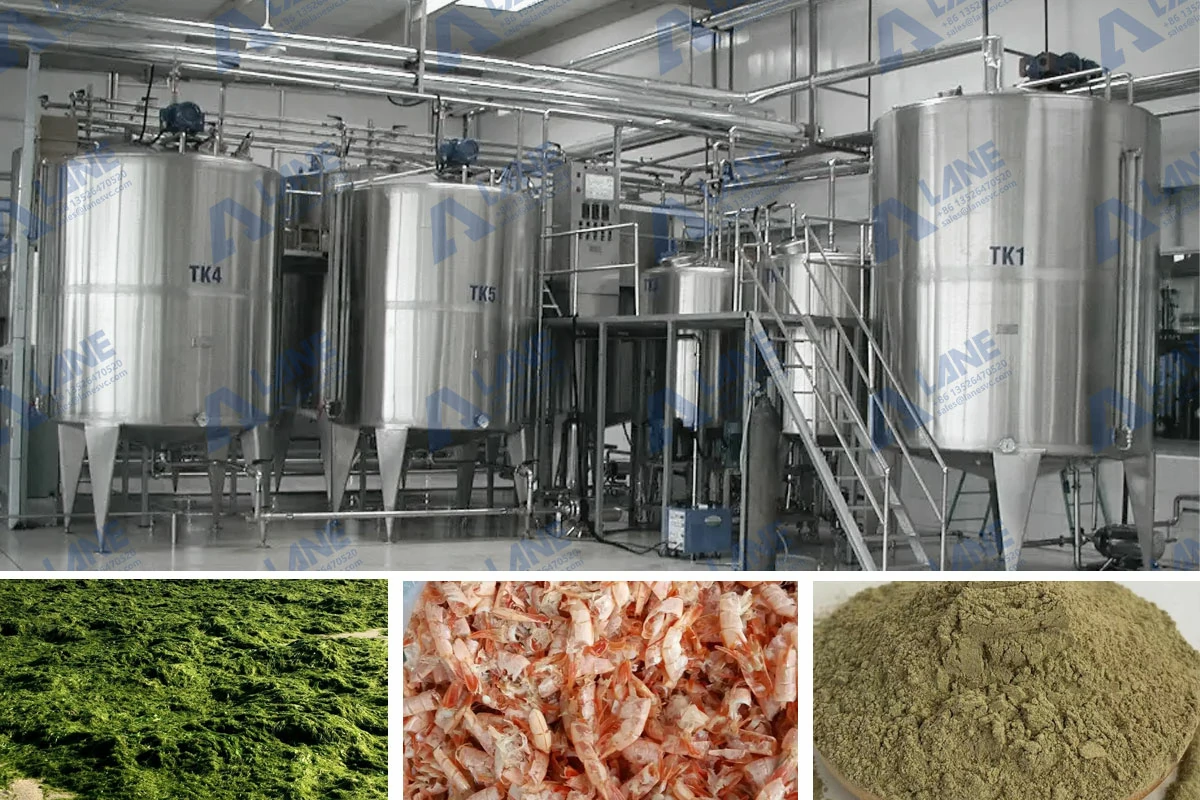
Marine-derived biostimulants are primarily produced from:
Seaweed contains numerous bioactive compounds such as:
These compounds help regulate plant metabolism, promote growth, improve nutrient transport, and enhance resistance to environmental stress.
Chitosan and chitooligosaccharides are extracted from shrimp and crab shells. They stimulate plant immune responses and improve resistance to diseases, insects, drought, and salinity.
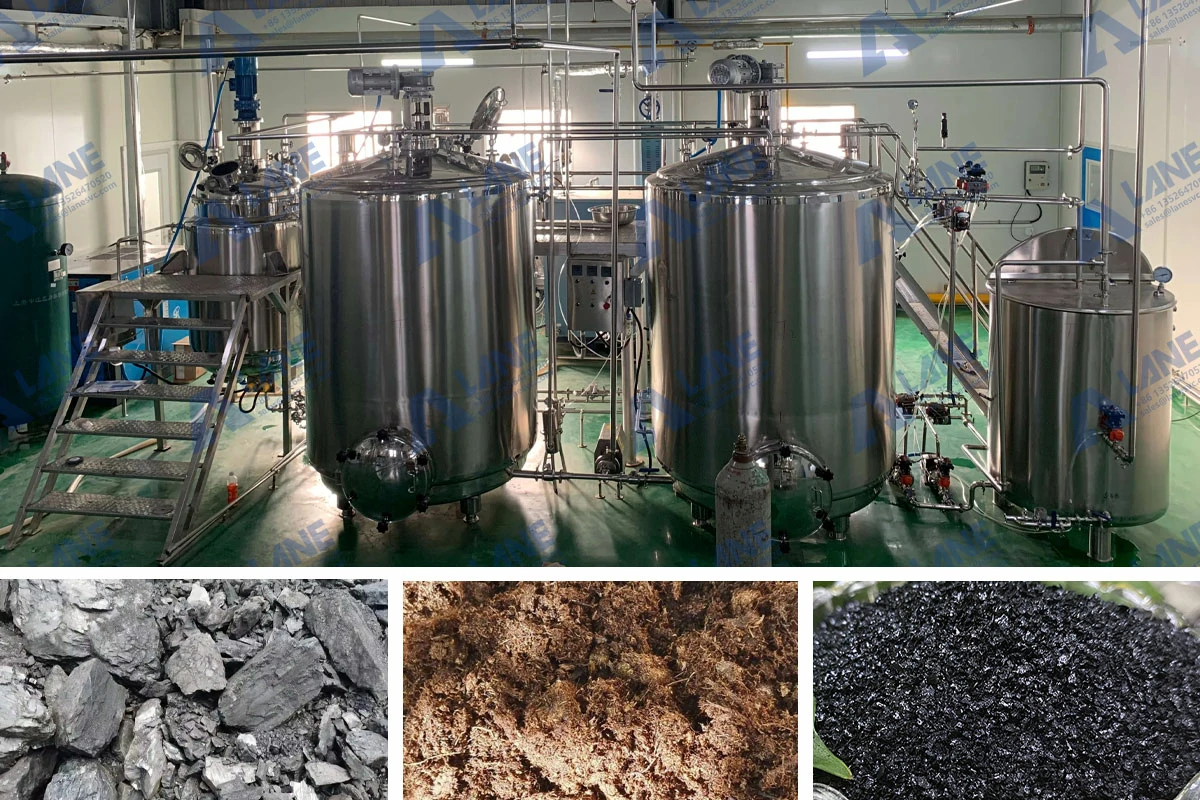
This category includes:
Humic substances are typically extracted from:
Fulvic acid is particularly valuable because of its low molecular weight and high biological activity.
Amino acid biostimulants are produced from plant or animal proteins through hydrolysis. They promote chlorophyll synthesis, improve nutrient chelation, and enhance crop stress resistance.
Microbial biostimulants contain beneficial microorganisms such as:
These microorganisms improve nutrient availability, suppress pathogens, stimulate root growth, and enhance soil health.
Many microbial biostimulants also contain fermentation metabolites that contribute to plant growth stimulation.
Plant-derived biostimulants are extracted from botanical materials containing:
Because these compounds originate from plants themselves, they often exhibit excellent compatibility and effectiveness in crop production systems.
Plant extracts are increasingly used in organic farming and high-value horticultural crops.
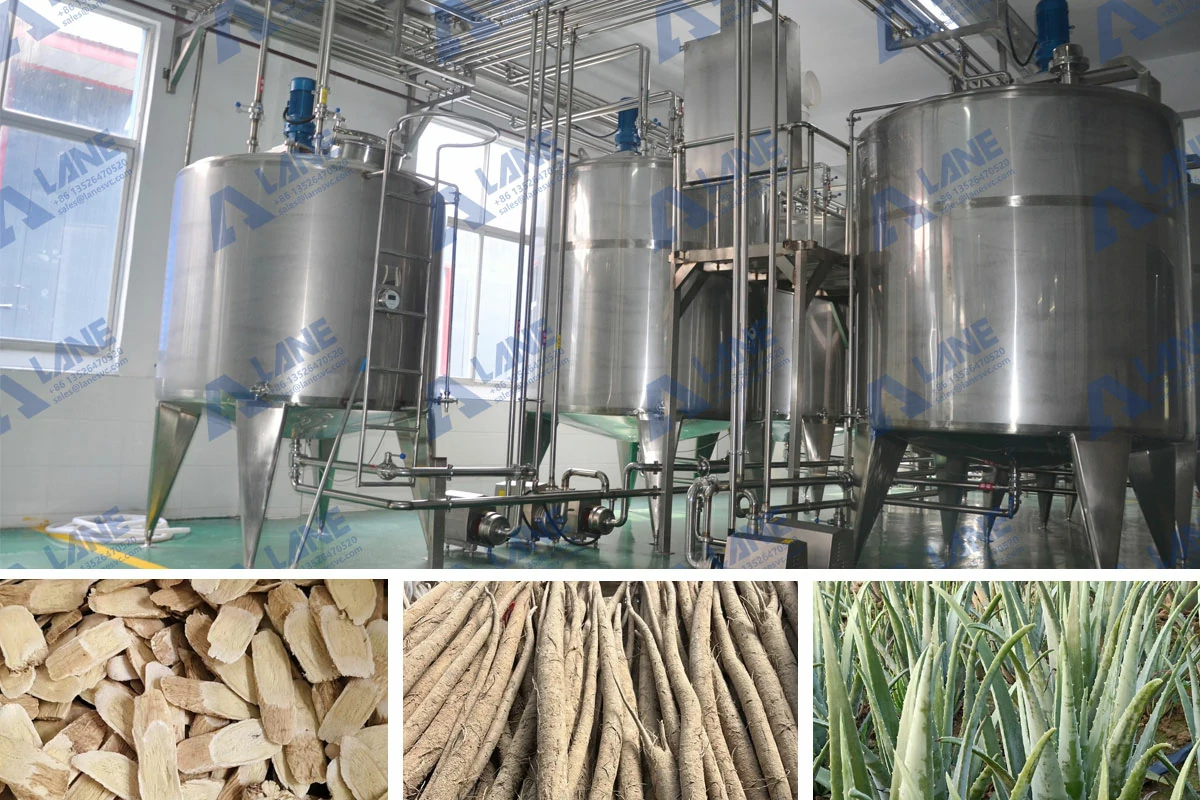
The biostimulant sector offers several advantages compared with traditional fertilizer manufacturing.
Increasing concerns regarding:
are driving demand for biostimulant products worldwide.
Compared with commodity fertilizers, specialty biostimulants typically generate higher value-added margins and stronger brand differentiation.
Many governments encourage environmentally friendly agricultural inputs, creating favorable conditions for biostimulant development.
Manufacturers can produce:
This flexibility allows producers to target multiple agricultural markets.
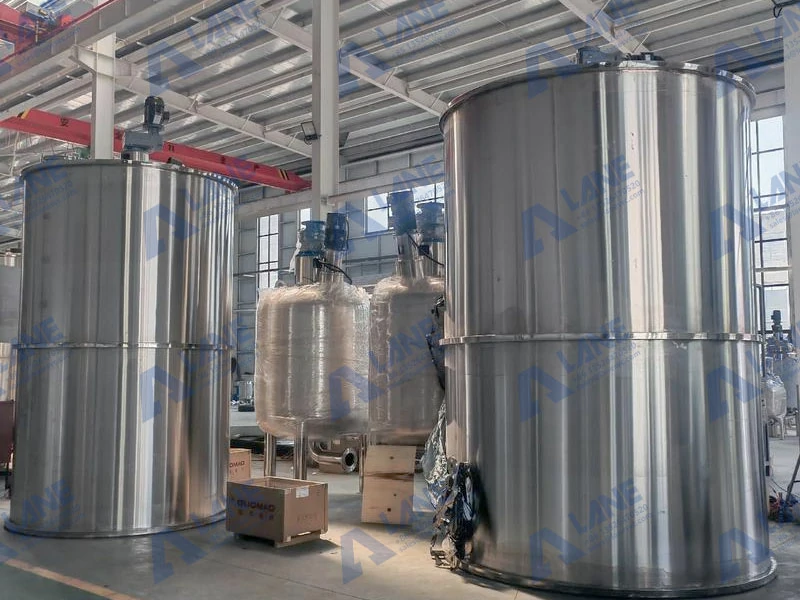
There is no single manufacturing process for all biostimulants. Production technology depends on the raw material source and target formulation.
However, most biostimulant production lines follow four core stages:
Fresh or dried seaweed is:
To preserve bioactive compounds, manufacturers commonly use:
The extracted solution is processed through:
The extract is concentrated and stabilized through:
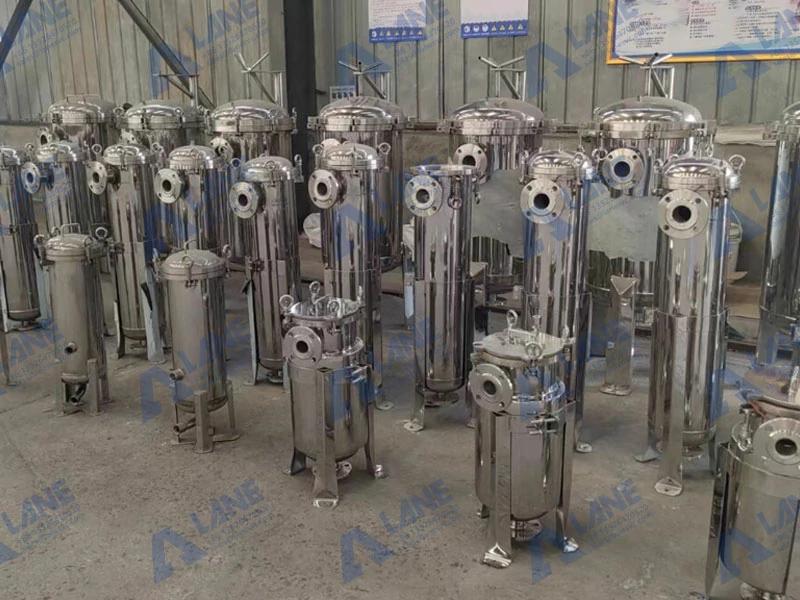
Products are packaged as:
Leonardite, lignite, or weathered coal is crushed and screened.
Potassium hydroxide or sodium hydroxide solution is used to dissolve humic substances.
Acidification separates:
The extracted materials are converted into potassium humate or sodium humate.
Common raw materials include:
Two methods are commonly used:
Enzymatic Hydrolysis
Advantages:
Acid Hydrolysis
Advantages:
The solution undergoes:
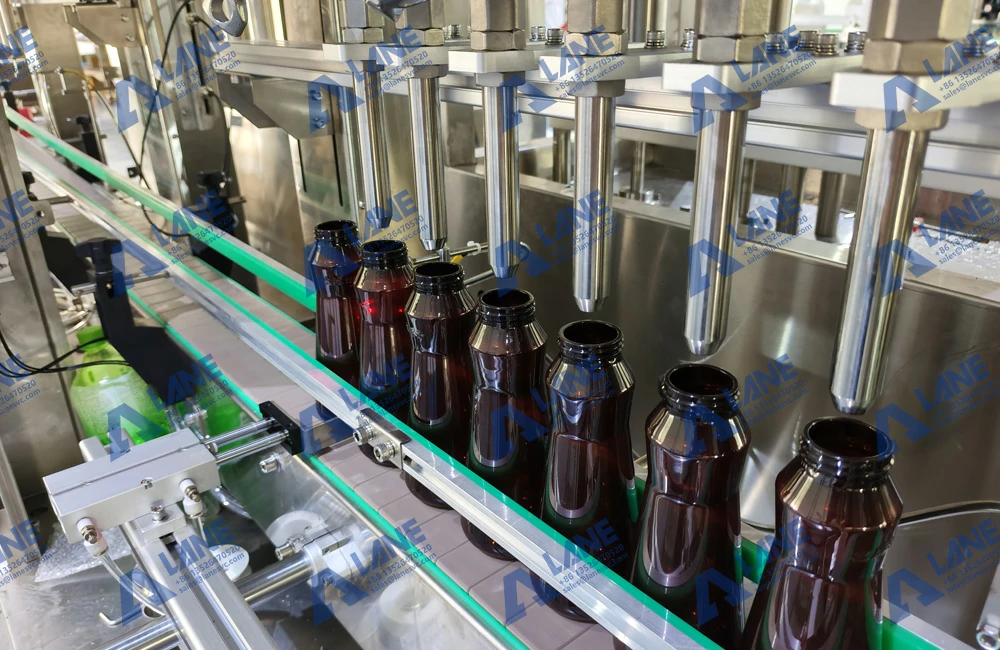
Micronutrients and functional additives can be incorporated during formulation.
Specific beneficial microorganisms are selected and preserved.
Microbial cultures are propagated in fermentation tanks under controlled conditions.
Key parameters include:
Manufacturers may produce:
Suitable carriers ensure product stability and shelf life.
The exact equipment configuration depends on the chosen product type.
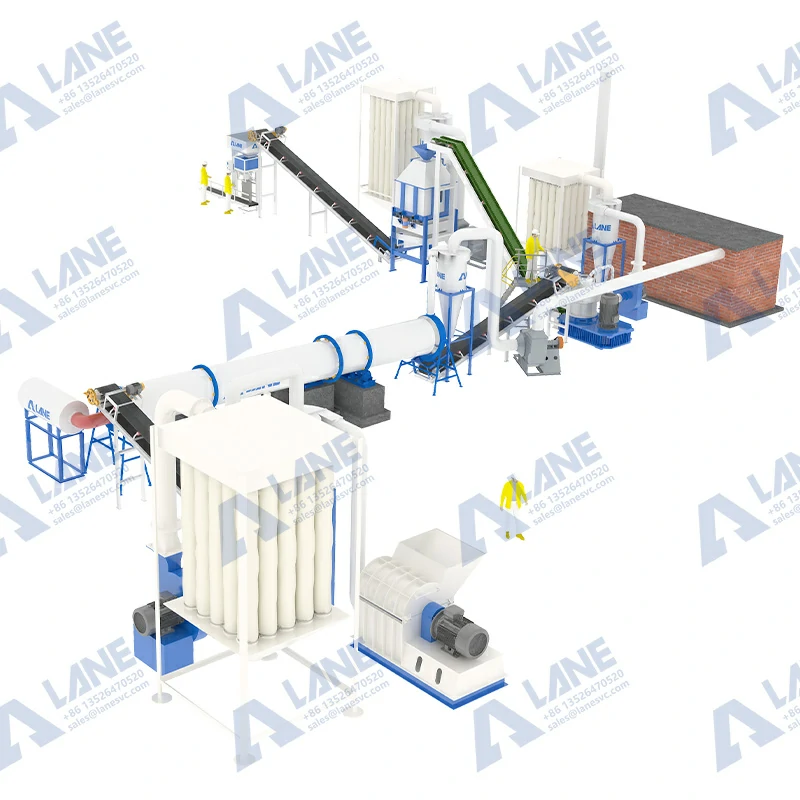
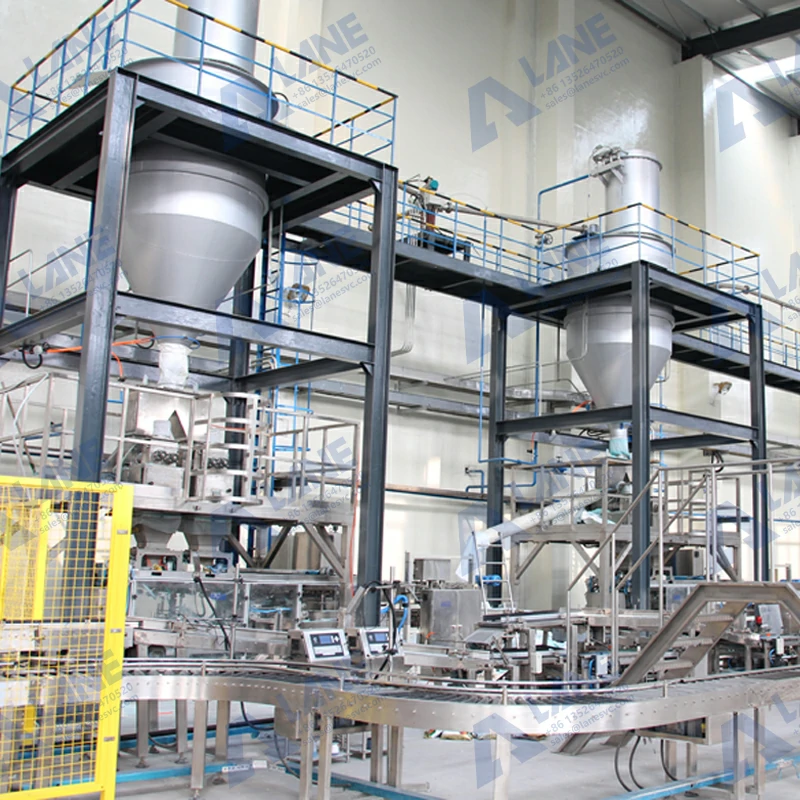
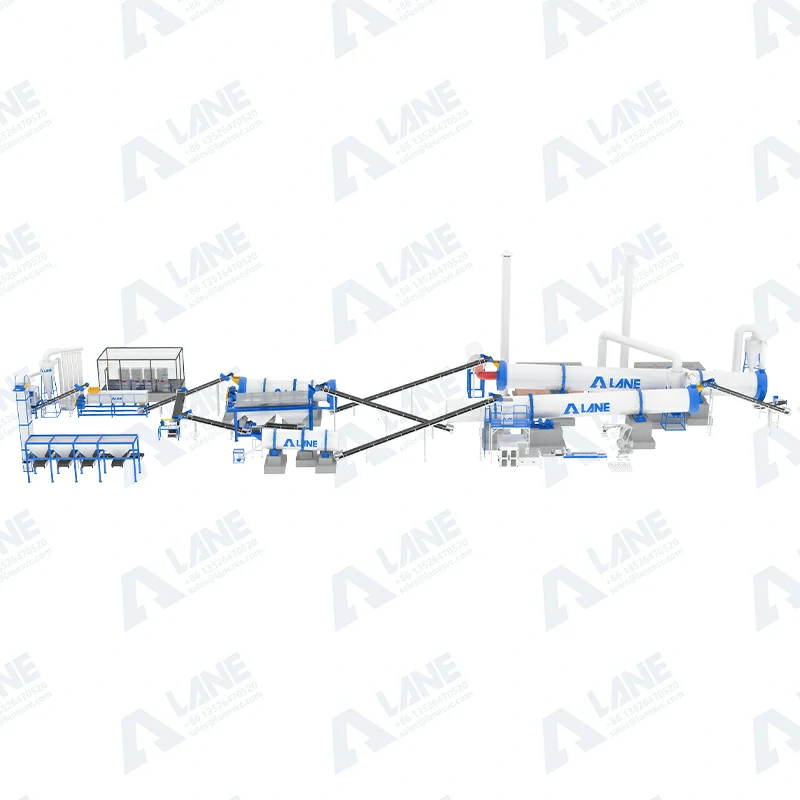
Typical equipment includes:
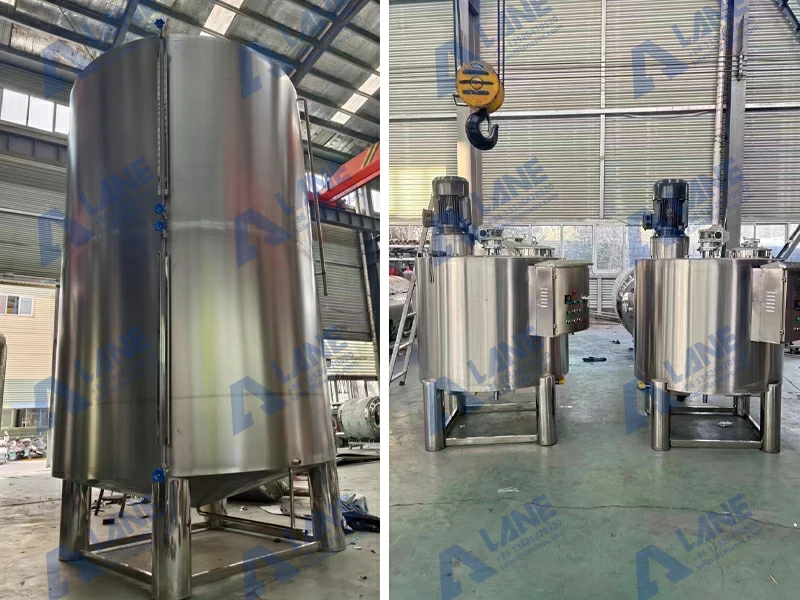
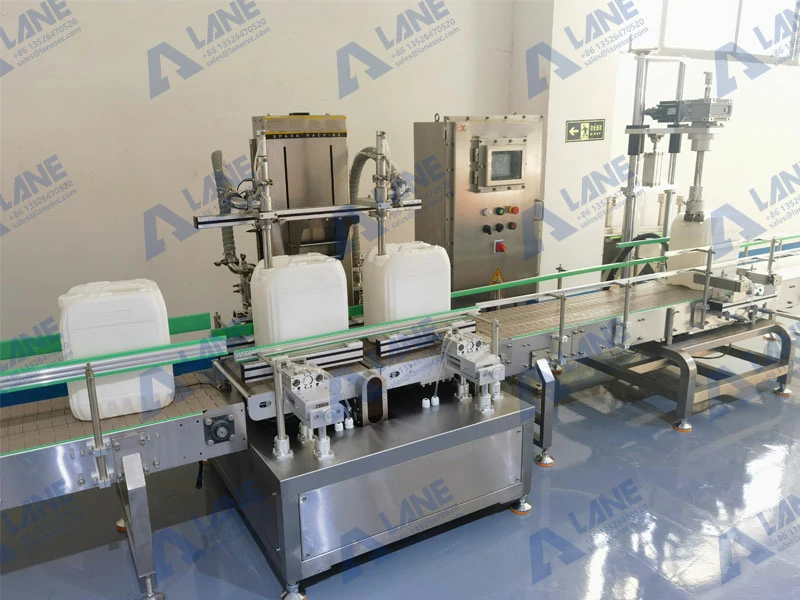
A successful biostimulant production plant must focus on:
Avoid excessive:
to maintain biological activity.
Products should be tested for:
Ensure:
LANE provides complete turnkey solutions for biostimulant manufacturing plants.
Our services include:
We design production lines based on:
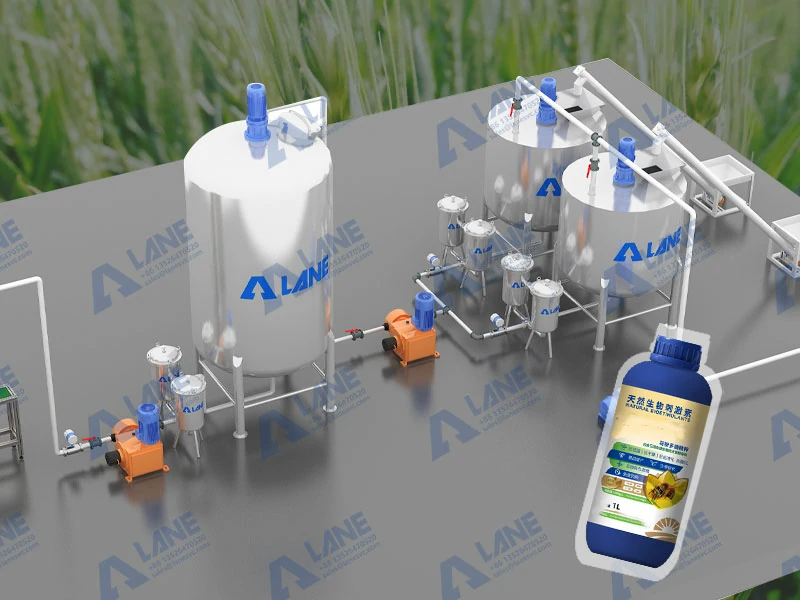
We provide all major equipment from raw material processing to final packaging.
Our engineering team helps optimize:
Professional engineers assist with:
For customers entering the biostimulant market, we can provide technical support and production recommendations to accelerate project implementation.
From factory layout design and equipment manufacturing to installation and after-sales support, LANE delivers a complete biostimulant production plant solution from a single source.
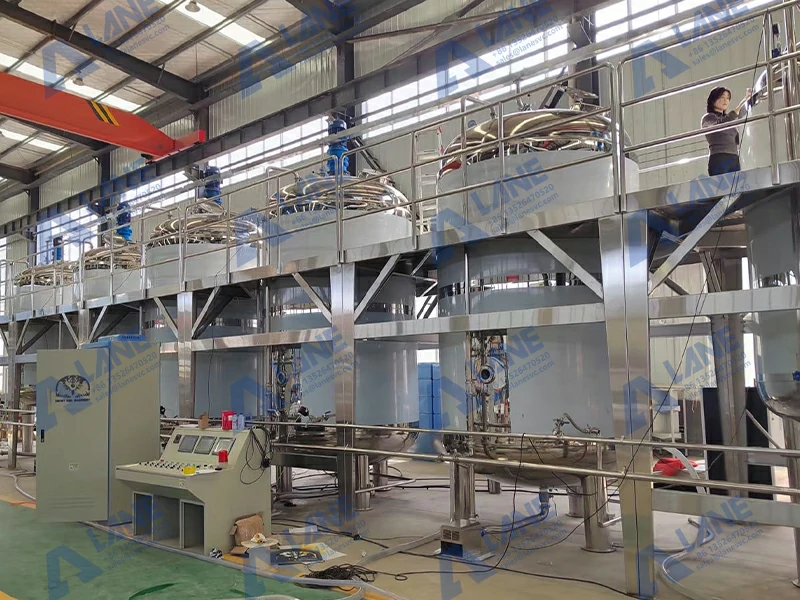
The global biostimulant industry is entering a period of rapid growth driven by sustainable agriculture, environmental regulations, and increasing demand for high-efficiency crop inputs.
Whether producing seaweed extracts, humic acids, amino acids, microbial products, or plant-based stimulants, a professionally designed Biostimulant Production Line can help manufacturers capture this expanding market opportunity.
With extensive experience in fertilizer and agricultural input manufacturing equipment, LANE provides reliable turnkey solutions to help investors build efficient, scalable, and profitable biostimulant production facilities for the future.
Ready to get your customized biostimulant production line solution? Contact us to speak with an engineer right away!