The global fertilizer industry is undergoing a paradigm shift from volume-driven production to precision-targeted nutrition. Establishing a modern NPK (Nitrogen-Phosphorus-Potassium) fertilizer manufacturing plant requires more than just mechanical assembly; it demands a synergy of chemical engineering, market intelligence, and ESG (Environmental, Social, and Governance) compliance.
As a fertilizer equipment manufacturer with 20 years of experience, LANE Heavy Industry has provided this guide provides an end-to-end strategic framework for investors and agribusiness leaders, focusing on granulation technology selection, ROI optimization, and sustainable production logic.
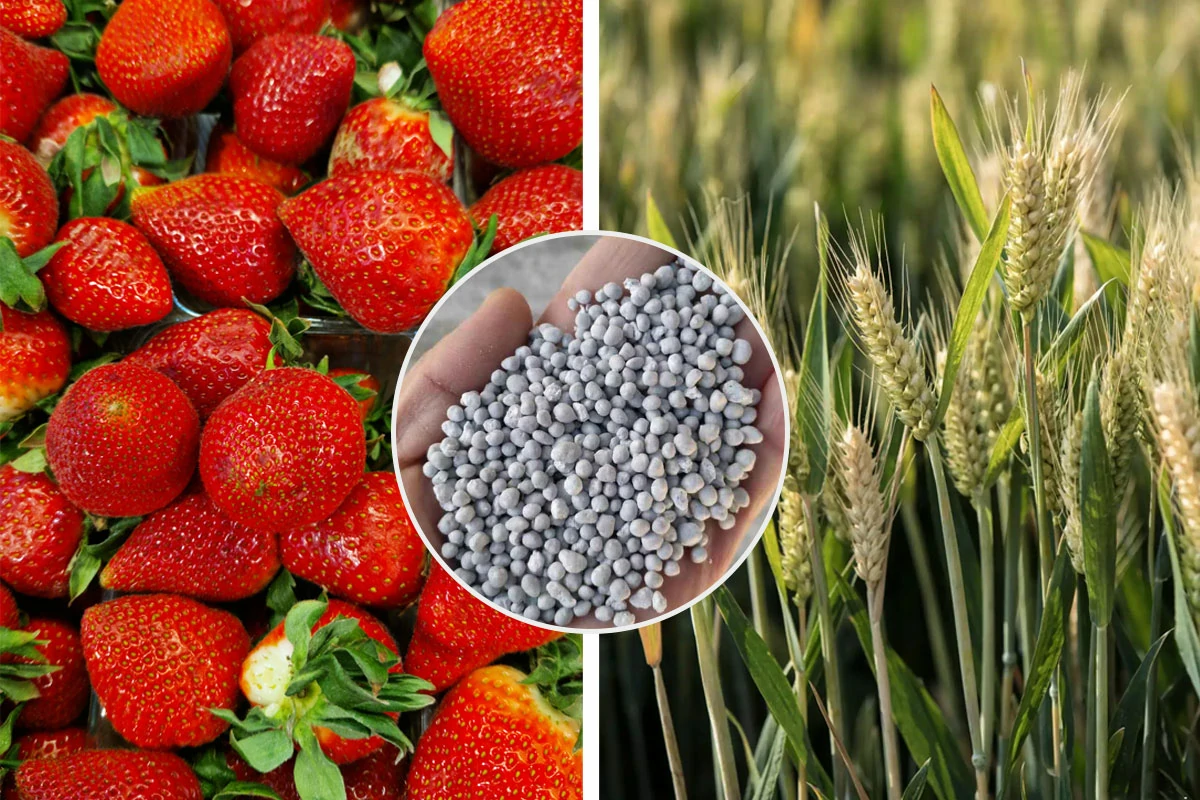
In 2026, the demand for high-efficiency compound fertilizers is at an all-time high. According to the International Fertilizer Association (IFA), balanced fertilization—specifically the precise ratio of N, P, and K—is responsible for over 50% of global crop yield increases. For entrepreneurs, starting an NPK fertilizer plant is not just a commercial venture; it is an entry into the critical infrastructure of global food security.
However, the barrier to entry has shifted. Success no longer depends solely on tonnage but on formula flexibility and granule quality.
Before breaking ground, a Nutrient Gap Analysis is mandatory.
The granulation method is the “heart” of your NPK fertilizer manufacturing plant. It determines your formula range, granule hardness, and initial CAPEX. In 2026, four technologies dominate the landscape.
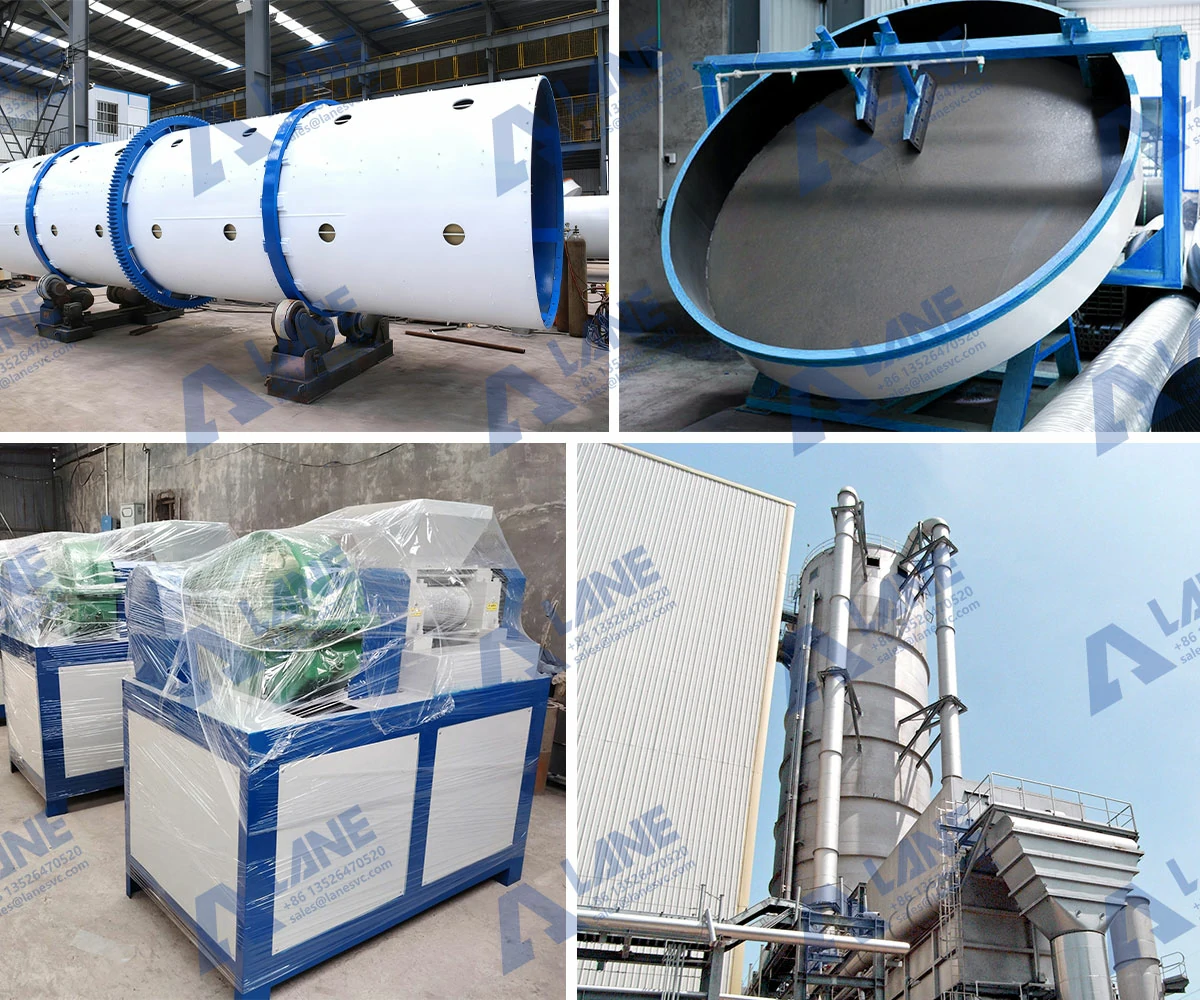
To assist in decision-making, the following matrix compares technologies based on critical business metrics:
| Technology | CAPEX | Energy Use | Production Scale | Granule Hardness |
|---|---|---|---|---|
| Rotary Drum | High | High | 10-30 T/H | Excellent |
| Dry Extrusion | Low | Minimal | 1-5 T/H | Good |
| Disc Pan | Lowest | Medium | 1-10 T/H | Moderate |
| High Tower | Highest | High | 20-50 T/H | Premium |
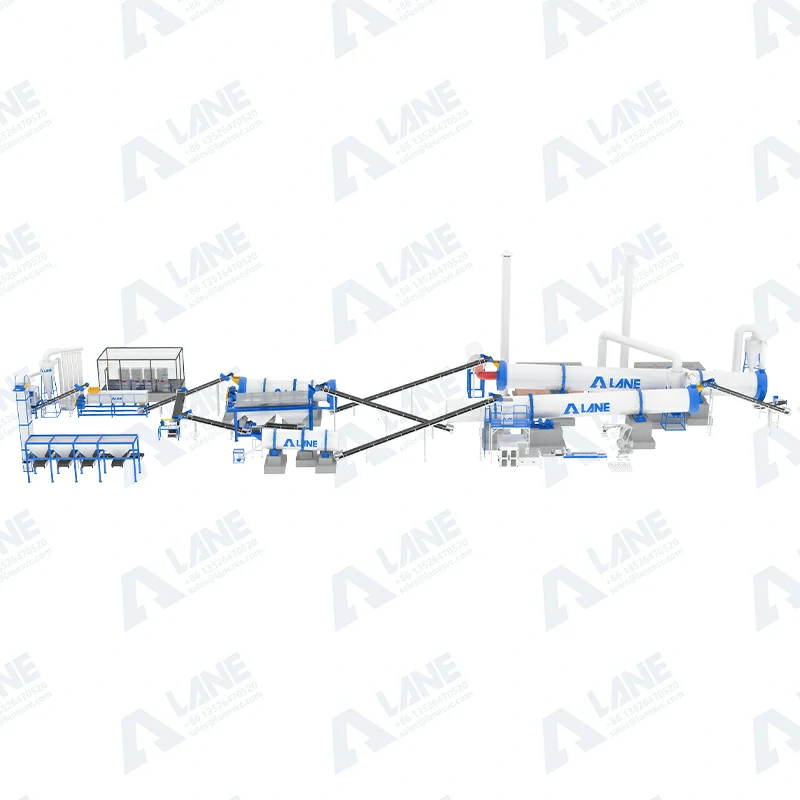
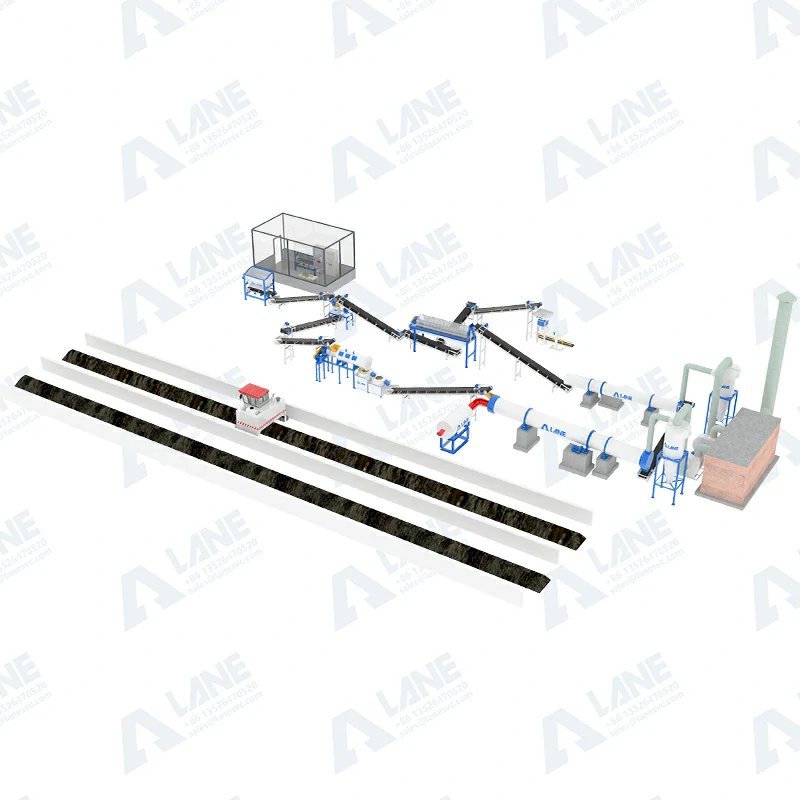
A modern NPK fertilizer production line operates as a fully integrated continuous system. Every stage—from raw material batching to finished product coating—must work in perfect coordination. Any interruption in one process directly affects production efficiency, product quality, and operating costs.
The manufacturing process begins with automatic weighing and batching. High-precision computerized batching systems accurately measure each raw material according to the fertilizer formula, ensuring every granule contains the specified nutrient ratio.
Typical raw materials include:
Modern multi-channel automatic batching systems reduce human error while maintaining formulation consistency throughout continuous production.
| Material | Quantity (kg) | Nitrogen | Phosphorus | Potassium |
|---|---|---|---|---|
| Urea | 230 | 46% | – | – |
| DAP (18-46-0) | 326 | 18% | 46% | – |
| MOP (60% K₂O) | 250 | – | – | 60% |
| Filler / Additives | 194 | – | – | – |
| Total | 1000 | 15.7% | 15% | 15% |
Engineering Note
Even a batching deviation of less than 1% can result in off-spec fertilizer, increased raw material consumption, regulatory non-compliance, and inconsistent crop performance.
Granulation is the core process of every NPK fertilizer manufacturing plant. During this stage, powdered raw materials are transformed into uniform, high-strength fertilizer granules.
The appropriate granulation technology depends on raw materials, capacity requirements, and investment budget.
Common technologies include:
For high-capacity compound fertilizer plants, rotary drum granulators remain the industry’s preferred solution due to their excellent productivity, continuous operation, and wide material adaptability.
Process Optimization
Introducing a controlled steam injection system can improve material plasticity, shorten granulation time, and increase production capacity by approximately 10–15%, while also reducing binder consumption.
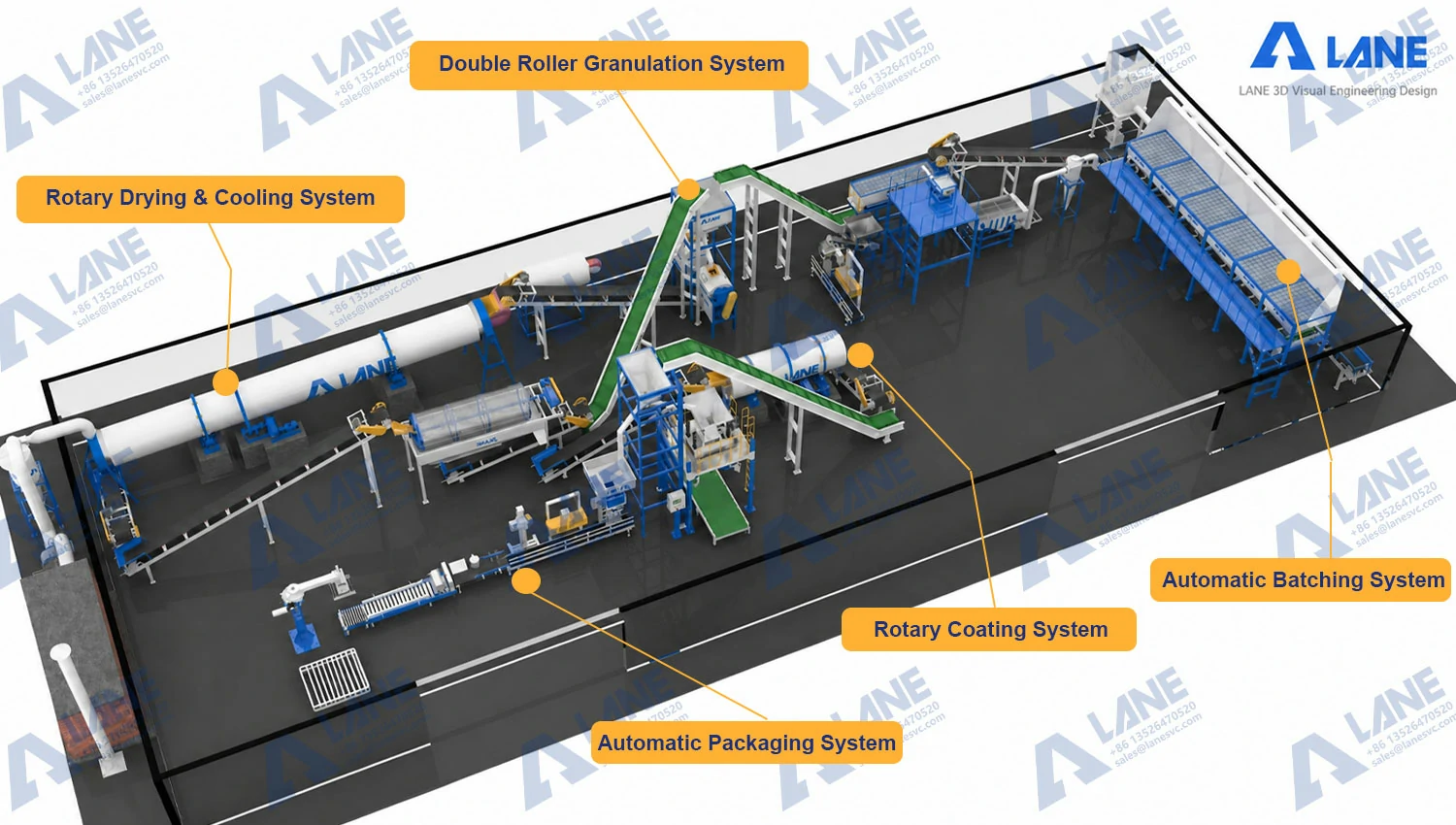
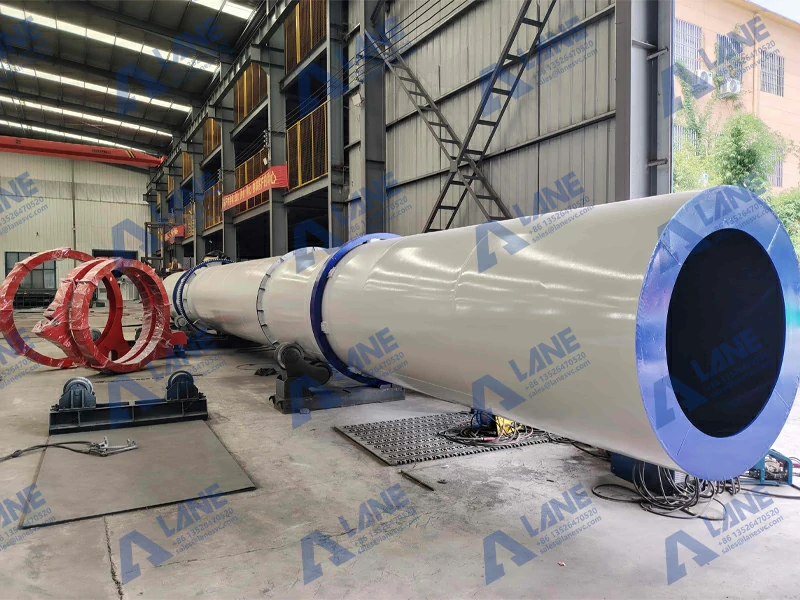
Freshly granulated fertilizer typically contains 5–8% moisture, which must be reduced before storage and packaging.
A rotary dryer lowers the moisture content to below 2%, while a rotary cooler reduces the product temperature close to ambient conditions. This significantly minimizes caking during storage and transportation.
For a standard 10 TPH NPK fertilizer production line, the LARD-1818 Rotary Dryer provides an ideal balance of capacity, durability, and energy efficiency.
Technical Specifications
The additional processing capacity provides operational flexibility during peak production while maintaining stable drying efficiency.
Custom dryer dimensions, fuel systems, and thermal configurations are available according to raw material moisture content and local energy sources.
After drying, fertilizer granules are classified using a rotary screening machine.
Standard commercial fertilizer particles are typically 2–4 mm in diameter.
The screening system automatically separates:
This closed-loop recycling system minimizes material waste while maintaining stable product quality.
The final manufacturing step is fertilizer coating, where anti-caking agents or functional coating materials such as mineral oil, lignin, wax, or polyurethane are evenly applied.
Product coating provides several important advantages:
A properly coated fertilizer generally exhibits better storage stability and higher commercial value than uncoated products.
The final stage of the NPK fertilizer production line is automatic packaging. After passing quality inspection, finished granules are conveyed to the fertilizer packing system, where each bag is accurately weighed, filled, sealed, and prepared for shipment.
Modern NPK fertilizer manufacturing plants typically integrate:
Depending on production capacity and target markets, fertilizer can be packed in 5 kg, 10 kg, 25 kg, 40 kg, 50 kg, or jumbo bags (500–1000 kg).
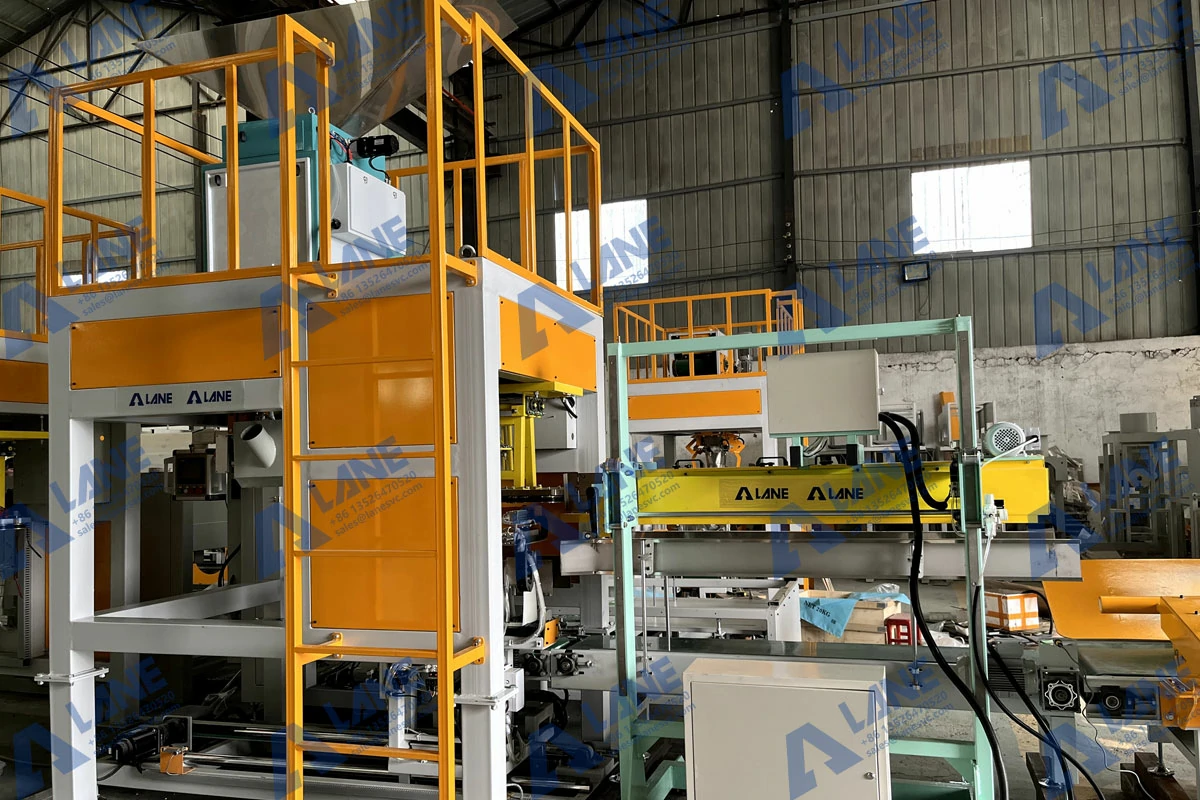
A fully automatic packaging line significantly improves production efficiency while reducing labor costs and weighing errors.
Typical weighing accuracy reaches ±0.2%, while packaging capacity ranges from 300 to over 1,200 bags per hour, depending on bag size and automation level.
To support export-oriented fertilizer manufacturers, packaging systems can be customized for woven PP bags, laminated bags, valve bags, or bulk FIBC bags. Integrated barcode printing, inkjet coding, QR code labeling, and robotic palletizing are also available to meet international logistics and traceability requirements.
Optimization Tip
Combining an automatic bagging system with a robotic palletizer can reduce packaging labor by 60–80%, improve loading efficiency, and ensure consistent pallet quality for container transportation.
Purchasing an NPK fertilizer production line involves far more than selecting equipment. Efficient transportation, professional installation, and successful commissioning are essential to achieving a fast return on investment.
Transporting a complete turnkey NPK fertilizer manufacturing plant requires careful engineering long before the equipment reaches the customer’s factory.
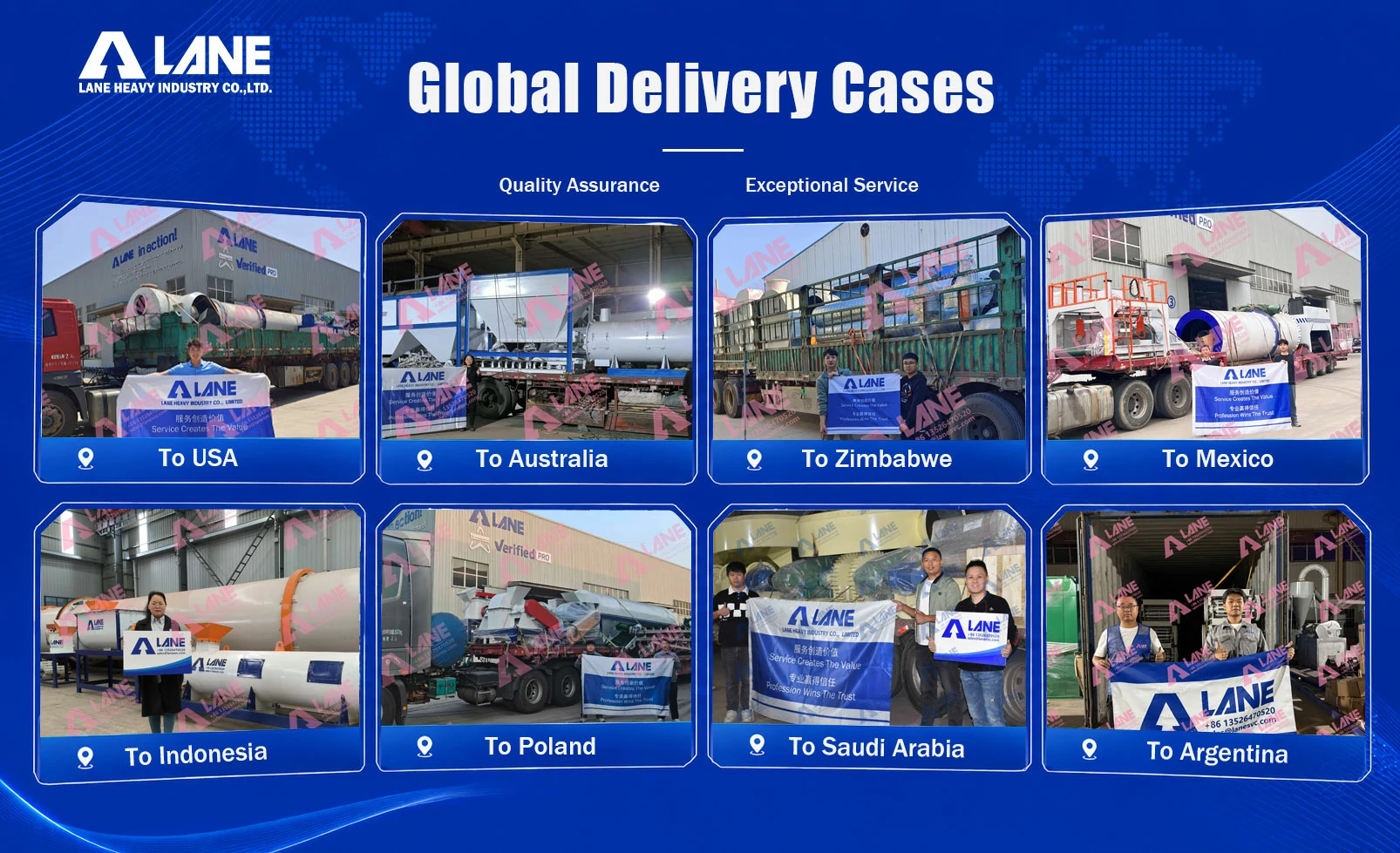
At LANE Heavy Industry, every production line is designed with export logistics in mind. Major equipment is manufactured using a modular structure, allowing large components to be partially disassembled for flat-pack container loading without affecting installation quality.
This approach offers several advantages:
Our engineering team also prepares detailed loading drawings and applies reinforced sea-worthy packaging and bracing to ensure safe transportation over long-distance ocean shipping.
Engineering Advantage
For many npk fertilizer production lines, optimized container loading can reduce the total number of shipping containers by up to 10–15%, depending on equipment configuration and project scale, helping customers lower overall logistics costs.
A successful NPK fertilizer plant is built not only through quality equipment but also through professional commissioning.
After the equipment arrives, LANE Heavy Industry‘s experienced engineers can be dispatched worldwide to supervise installation, mechanical alignment, electrical commissioning, and trial production.
Our commissioning services typically include:
Beyond equipment installation, we train local operators to understand process control, production optimization, and routine maintenance, enabling stable long-term operation with minimal downtime.
Our commissioning work is considered complete only after the production line consistently produces a qualified “Golden Batch”—fertilizer that meets the agreed nutrient formulation, particle size distribution, moisture content, granule hardness, and production capacity.
This performance-based commissioning approach helps customers transition smoothly from equipment installation to reliable commercial production while reducing startup risks and shortening the time to full-capacity operation.
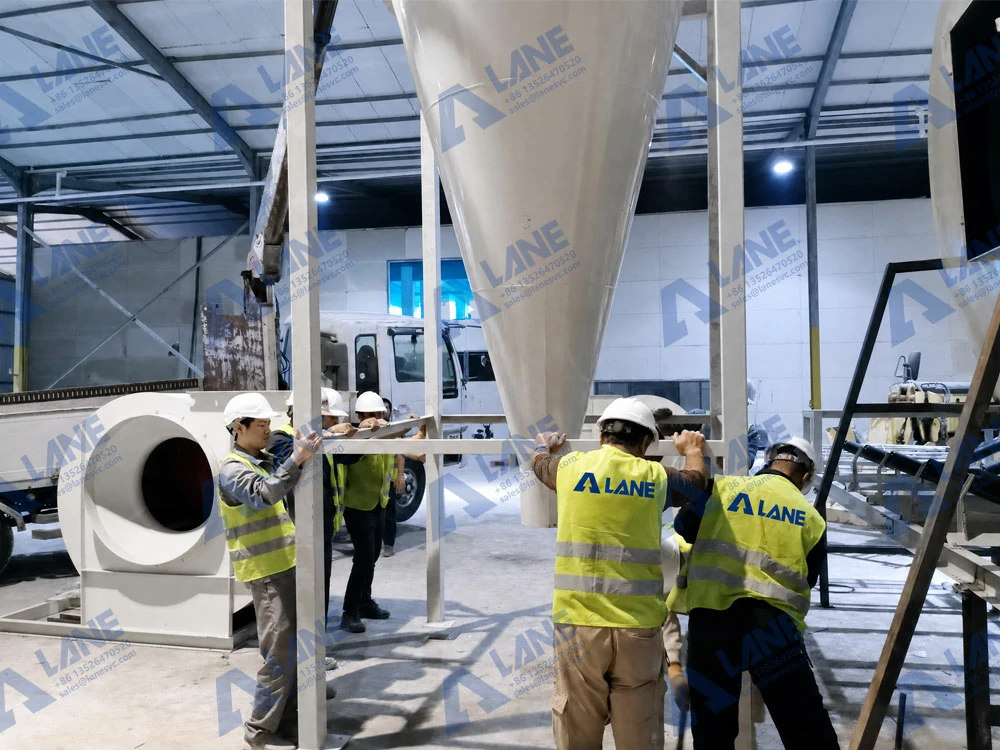
Building an NPK fertilizer production line requires more than purchasing equipment. A successful project depends on balancing production capacity, raw material availability, energy consumption, and long-term operating costs.
Instead of focusing solely on the initial investment, experienced investors evaluate the total cost of ownership (TCO) throughout the plant’s operating life.
Although every project is different, the investment for a turnkey NPK fertilizer manufacturing plant is generally distributed across several major categories.
| Investment Item | Typical Share |
|---|---|
| Production Equipment | 40–50% |
| Civil Construction & Utilities | 20–30% |
| Environmental Protection Systems | 10–15% |
| Initial Raw Materials & Working Capital | 15–20% |
The exact proportions vary according to production capacity, automation level, local labor costs, and environmental regulations.
For example, plants equipped with automatic palletizing, robotic packaging, or dust collection systems typically require a higher initial investment but can significantly reduce long-term labor and maintenance costs.
For most NPK fertilizer manufacturers, operating expenses are dominated by four key factors:
Among these, raw materials generally represent the largest share of total production costs, making purchasing strategy a critical factor in overall profitability.
Selecting stable suppliers, maintaining appropriate inventory levels, and accurately forecasting seasonal demand can often have a greater financial impact than reducing equipment costs alone.
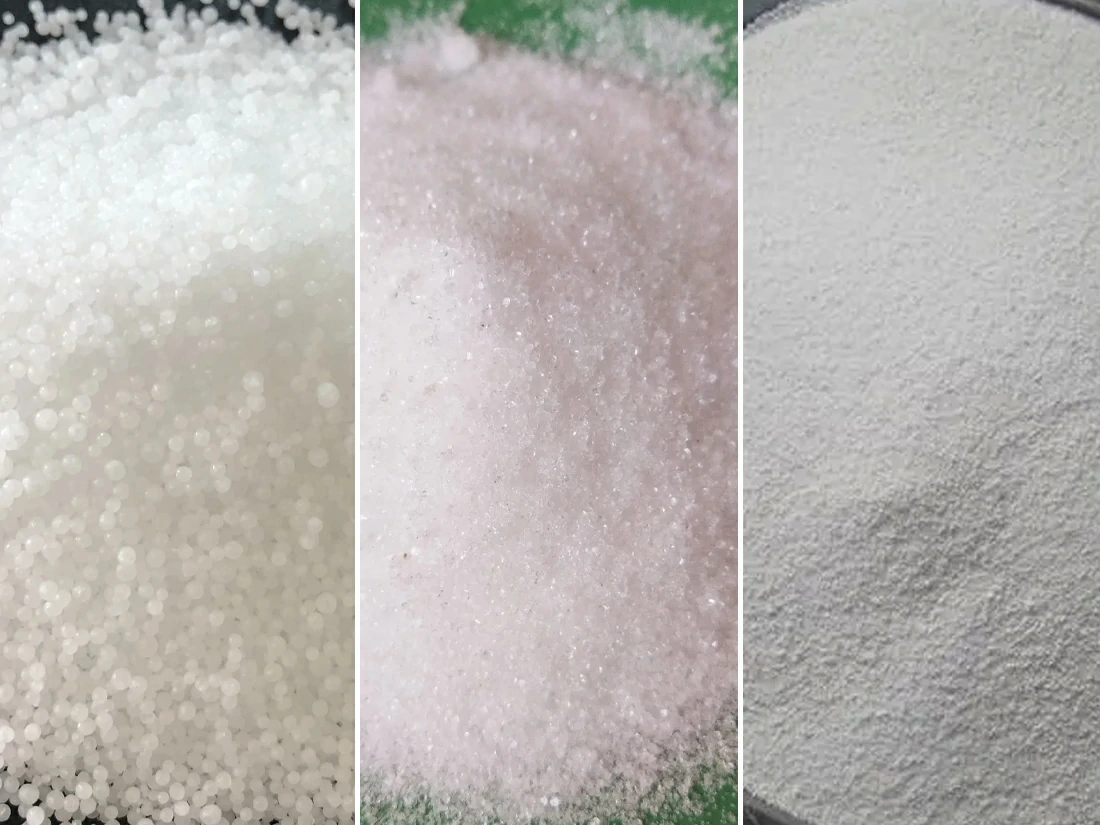
Rather than relying on aggressive cost-cutting, successful fertilizer producers typically focus on improving operational efficiency.
Maintain Stable Production
Continuous production reduces repeated equipment start-ups and shutdowns, helping lower fuel consumption and improve equipment utilization.
Improve Granulation Efficiency
Optimizing moisture content, binder dosage, and granulation parameters can increase qualified product yield while reducing the amount of recycled material.
Reduce Energy Consumption
Proper insulation of dryers, optimized burner adjustment, and regular maintenance of rotating equipment help minimize unnecessary energy losses.
Increase Equipment Automation
Automatic batching, PLC process control, and automatic packaging systems reduce manual errors, improve formulation consistency, and lower labor requirements.
The prices of major fertilizer raw materials such as urea, phosphate, and potash are influenced by seasonal demand, energy markets, transportation costs, and international supply conditions.
While price movements cannot be controlled, manufacturers can reduce operational risks through practical planning.
Recommended approaches include:
A flexible production line capable of manufacturing multiple NPK formulations allows producers to respond more effectively to changing market demand while improving overall equipment utilization.
Modern NPK fertilizer production plants are expected to deliver not only stable production capacity but also improved environmental performance and intelligent process control. Investing in efficient dust collection, energy management, and automation helps manufacturers comply with local regulations while improving operational efficiency and reducing long-term operating costs.
During fertilizer production, processes such as crushing, screening, drying, cooling, and material conveying can generate dust and exhaust gases. A properly designed environmental protection system helps maintain a cleaner working environment while reducing emissions.
Depending on local environmental requirements, an NPK fertilizer plant may include:
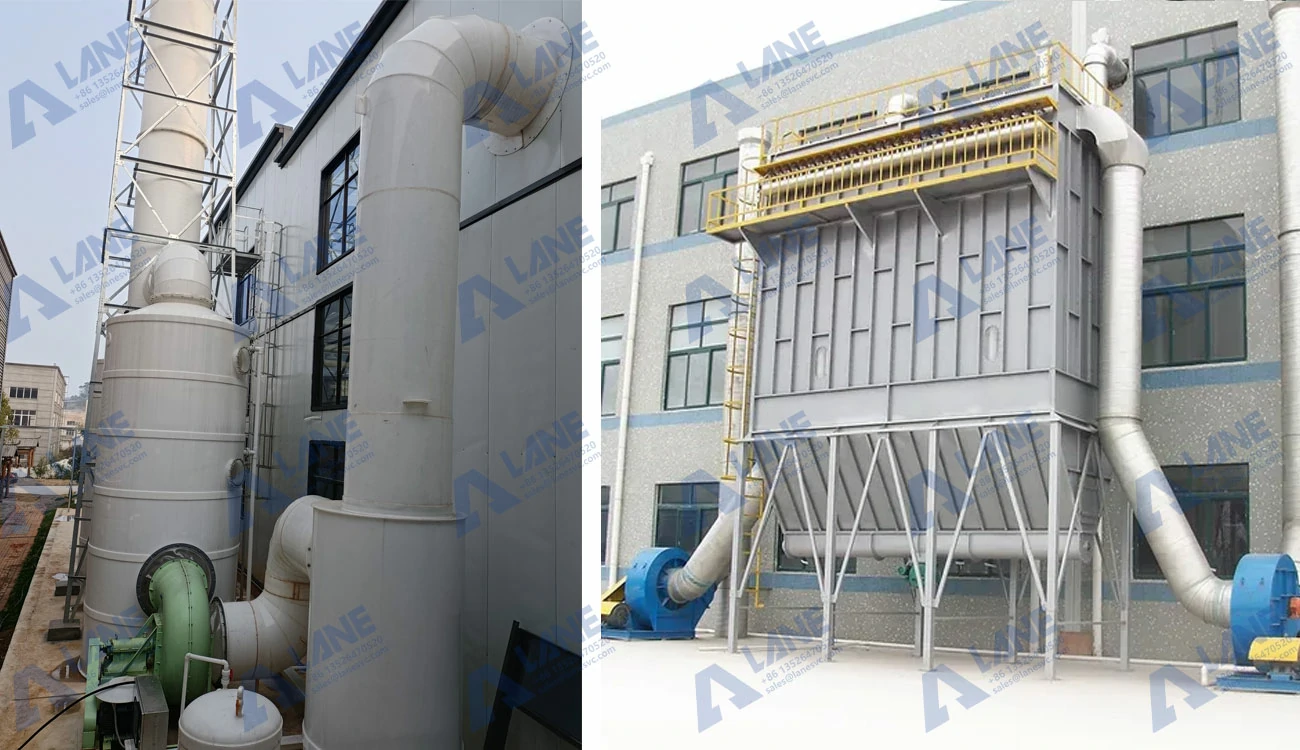
These systems can be configured individually or as an integrated environmental solution based on plant capacity, local emission standards, and customer requirements.
Automation plays an increasingly important role in improving production consistency and reducing manual intervention.
A modern fertilizer production line typically integrates a PLC-based control system with a centralized operator interface, allowing production parameters to be monitored and adjusted from a single control room.
Common intelligent functions include:
By collecting and analyzing operating data, plant managers can identify abnormal equipment conditions earlier, schedule preventive maintenance, and reduce unexpected downtime.
Reducing energy consumption is one of the most practical ways to improve the long-term profitability of an NPK fertilizer plant.
Several engineering measures can contribute to lower operating costs:
Rather than relying on a single technology, energy savings are typically achieved through the combined optimization of equipment selection, process design, and daily plant operation.
Environmental protection and automation should be selected according to the project’s production capacity, local regulations, and investment budget. A properly configured system not only helps manufacturers meet compliance requirements but also improves product quality, operational stability, and overall equipment efficiency throughout the plant’s service life.
Building a successful NPK fertilizer production plant is about much more than purchasing machinery. Every stage—from raw material selection and batching to granulation, drying, screening, packaging, and environmental protection—directly influences product quality, production efficiency, and long-term operating costs.
There is no single “best” production solution for every manufacturer. The optimal configuration depends on several factors, including production capacity, raw materials, target fertilizer formulations, local energy costs, environmental regulations, and available investment budget. A well-designed production line should not only meet today’s production requirements but also provide the flexibility to adapt to future market demands.
As an experienced manufacturer of turnkey npk fertilizer production lines, LANE Heavy Industry provides complete engineering support throughout the entire project lifecycle, including:
Whether you are planning a 5 TPH npk fertilizer production line or a large-scale NPK fertilizer manufacturing plant, our engineering team can recommend a customized solution based on your production goals and local operating conditions.
If you are considering investing in an NPK fertilizer production line, our engineers can provide a preliminary process proposal tailored to your requirements.
Simply tell us:
Based on this information, we can help you evaluate the most suitable process flow, recommend the appropriate equipment configuration, and prepare a customized technical proposal for your project.