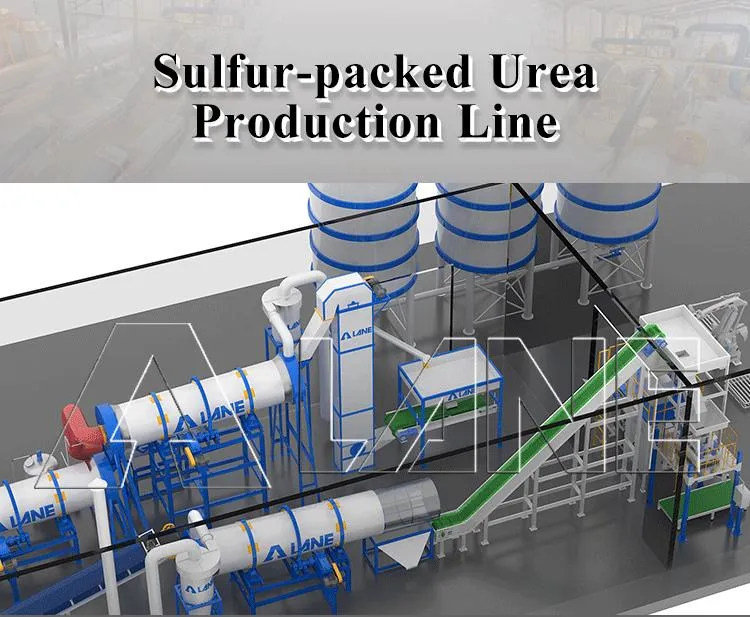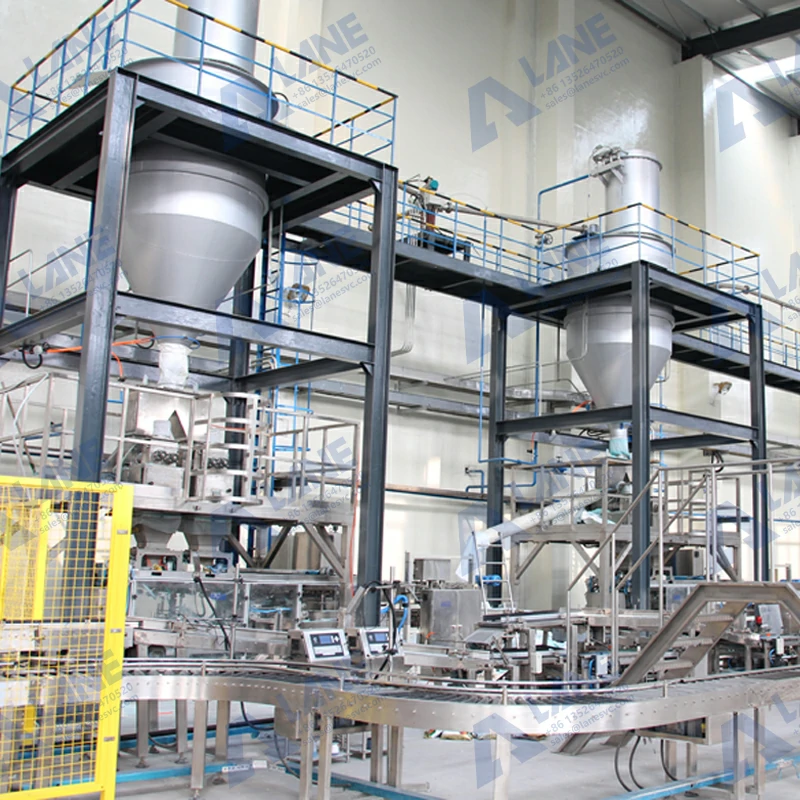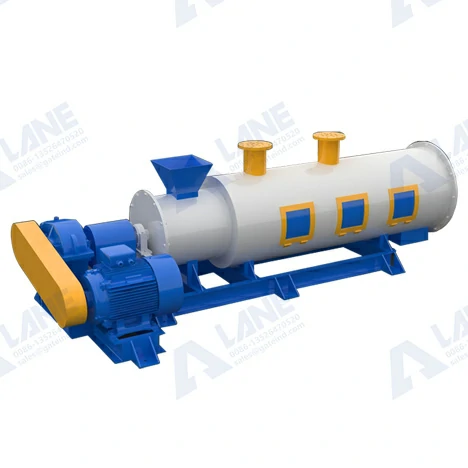
Indonesia is the world’s largest producer of palm oil, with over 16 million hectares of palm plantations that generate millions of tons of agricultural residues each year. One of the most abundant byproducts is empty fruit bunches (EFB), the fibrous residue left over after palm fruits are processed at palm oil mills.
Converting this biomass into pellets via an EFB pellet production line is gradually becoming a popular method for producing renewable fuel for industrial boilers and power plants.
Many palm oil growers in Indonesia want to generate commercial value from these abundant industrial byproducts but are unsure how to put this idea into practice.
As a Chinese fertilizer equipment manufacturer with 20 years of experience, Lane will use this article to guide you through the process of building an EFB pellet production line from scratch.
Indonesia produces enormous quantities of palm oil waste. Large volumes of EFB are generated in palm oil mills, creating both disposal challenges and opportunities for biomass energy projects.
Compared with raw EFB fiber, pelletized EFB fuel offers several advantages:
Higher energy density: about 4200–4600 kcal/kg calorific value
Lower moisture content: reduced to ≤10–12% after pelletizing
Uniform pellet size: typically 6–10 mm diameter and <30 mm length
Bulk density: around 650–750 kg/m³, making transport and storage easier
These characteristics make EFB pellets suitable for export markets such as Japan and South Korea as well as domestic industrial heating.
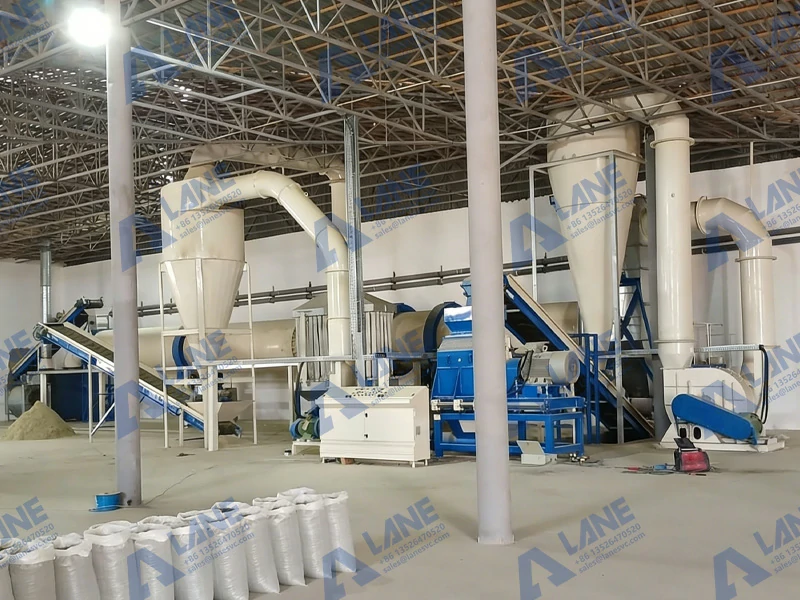
Before designing an EFB Pellet Production Line, it is important to understand the properties of EFB fiber.
Typical raw EFB properties:
| Parameter | Value |
|---|---|
| Initial moisture | 50–65% |
| Fiber length | up to 200 mm |
| Ash content | 4–5% |
| Calorific value (raw) | ~4400 kcal/kg |
| Bulk density | low and fluffy |
Fresh EFB from palm oil mills contains 55–65% moisture, so drying is essential before pelletizing. The optimal moisture for granulation is 15–18% .
3.1 Raw Material Handling
EFB typically comes from palm oil mills with a moisture content of 50–65%. Due to its large volume and long fibers, it must first be unbaled and conveyed.
Recommended Equipment:
Selection Recommendations:
Select corrosion-resistant stainless steel or structures with anti-corrosion coatings
Conveyor incline ≤25°
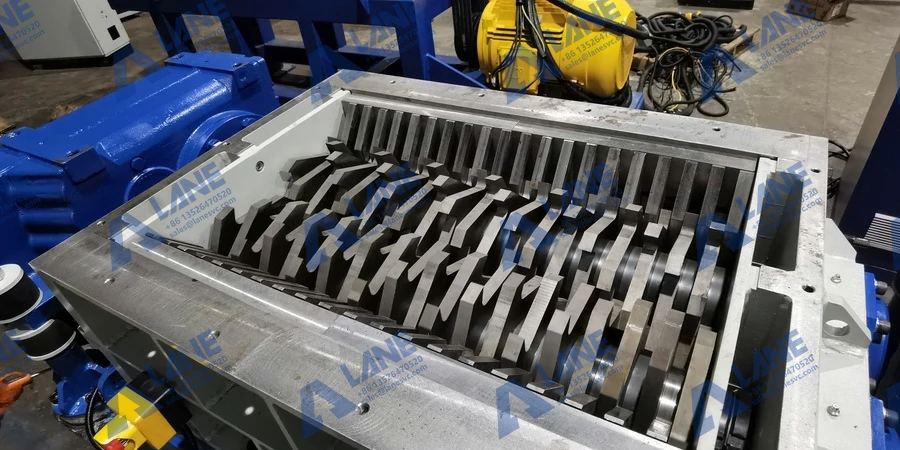
3.2 Primary Shredding
EFB fibers can reach lengths of 150–250 mm and require preliminary shredding.
Recommended Equipment:
Advantages:
3.3 Fine Crushing
After coarse crushing, further grinding is required to meet the feed requirements of the pellet mill.
Recommended Equipment:
Selection Recommendations:
Screen mesh size: 4–6 mm
Rotational speed: 2900 rpm
3.4 Drying Process
EFB has a high moisture content; if it is pelletized directly without drying, the pellets will stick together. To ensure the quality of the final product, the dryer is the most critical piece of equipment in the entire production line.
Recommended Equipment:
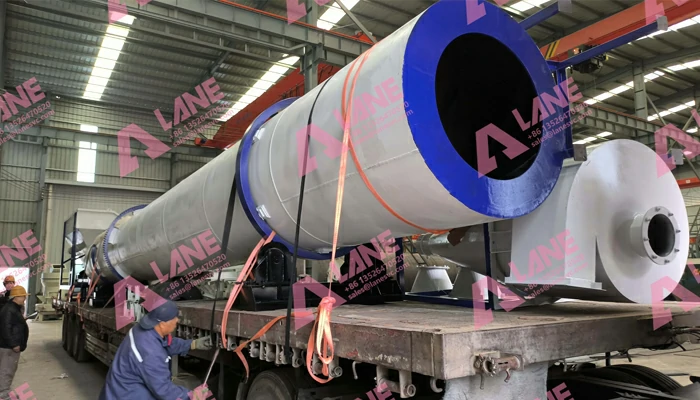
Advantages:
Heat Source Recommendations:
Selection Recommendations:
3.5 Pelletizing
This is the core equipment of the EFB Pellet Production Line.
Recommended Equipment:
Since EFB is a fibrous material, a ring die is more suitable for industrial-scale production.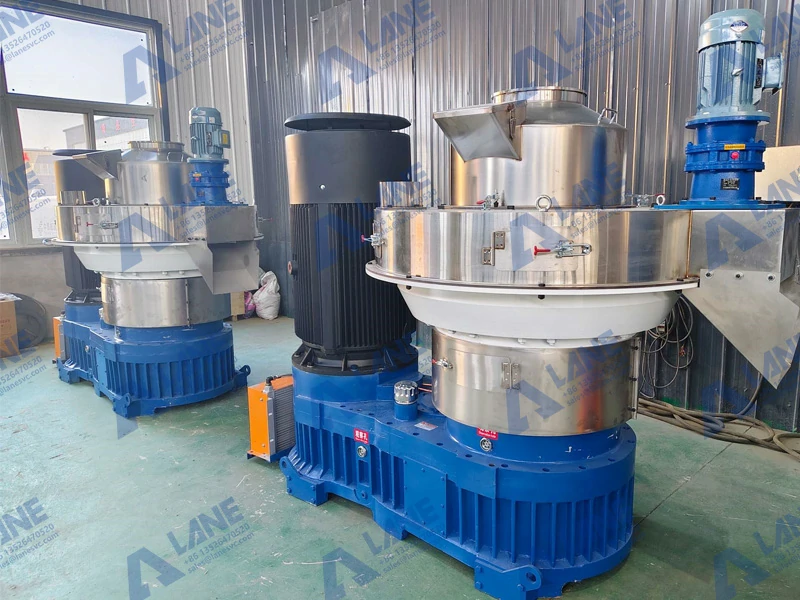
Ring Die Recommendations:
Production Recommendations:
Configure one pelletizer for every 1 t/h of production capacity; multiple units can operate in parallel.
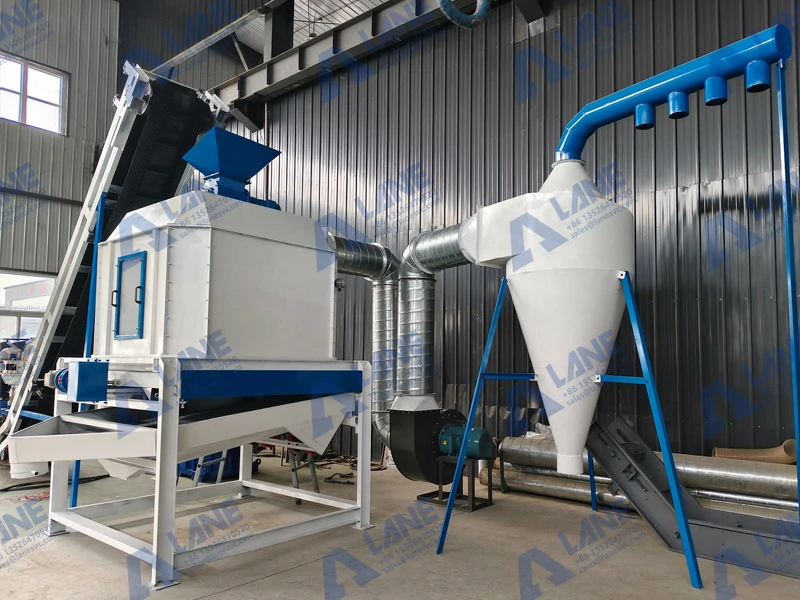
3.6 Cooling System
Freshly produced pellets have a temperature of 70–90°C and require cooling.
Recommended Equipment:
Selection Recommendations:
3.7 Screening System
Removes powder to ensure pellet quality.
Recommended Equipment:
Undersize powder:
Return to the pelletizer for re-pelletization.
3.8 Automatic Packaging Systems
Select different packaging methods based on market demand.
Recommended Equipment:
In export markets, 1-ton jumbo bags are common, and a 20-ft container can load about 20 tons of pellets.
Commercial EFB Pellet Production Lines can be designed in different capacities.
Many biomass pellet plants in Southeast Asia operate within 2–10 t/h production capacity, depending on raw material supply and investment level.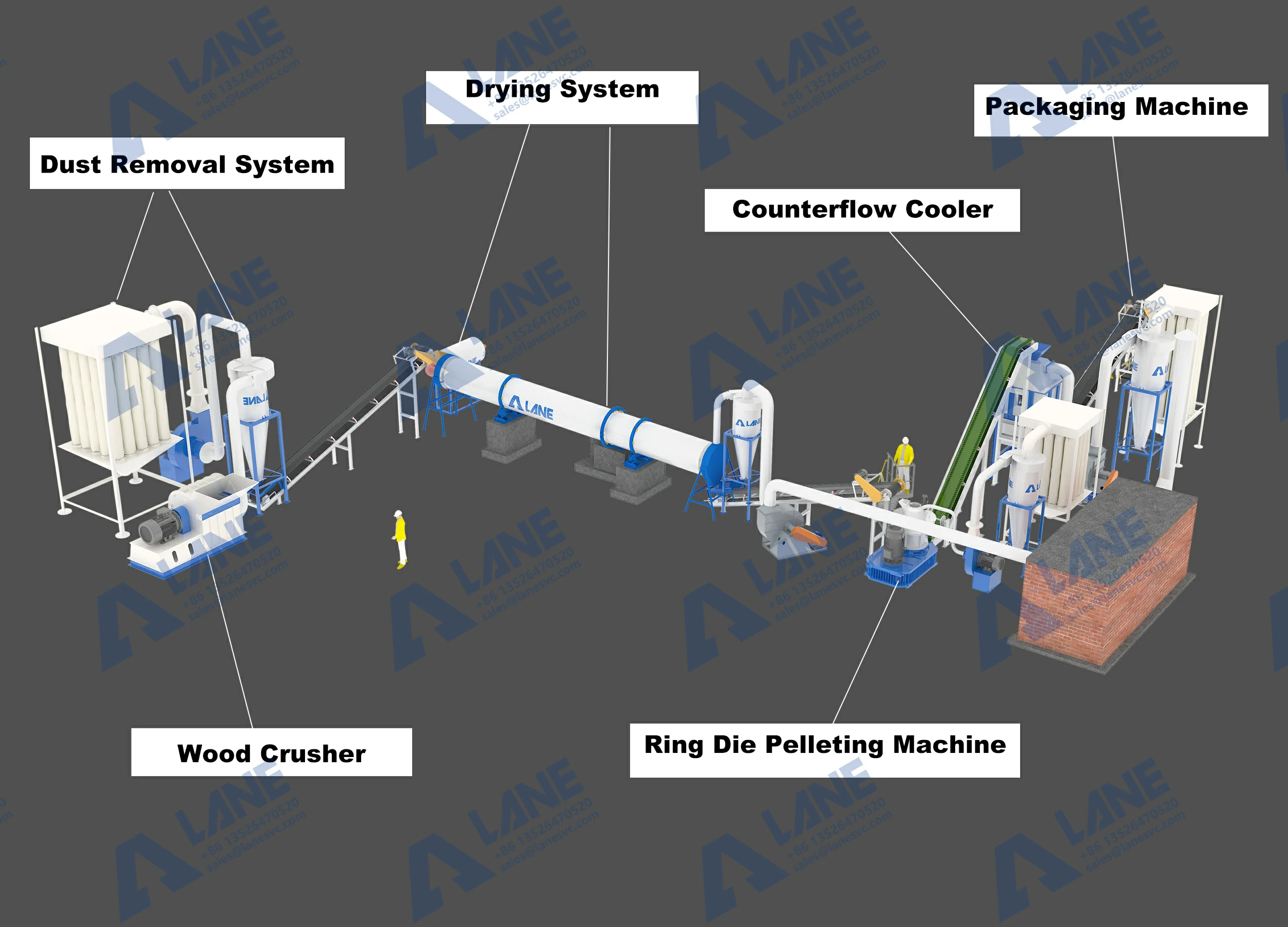
When planning an EFB Pellet Production Line, several infrastructure factors must be considered.
Factory area
1–2 t/h line: 800–1200 m²
5 t/h line: 2000–3000 m²
Power consumption
1–2 t/h line: ~250–350 kW installed power
5 t/h line: ~600–800 kW installed power
Utilities
Electricity: 380V / 50Hz industrial power
Biomass furnace or steam boiler for dryer
Water supply for cooling and dust suppression
Setting up an EFB Pellet Production Line in Indonesia requires solving several technical challenges:
Fresh EFB can exceed 60% moisture, making drying capacity critical.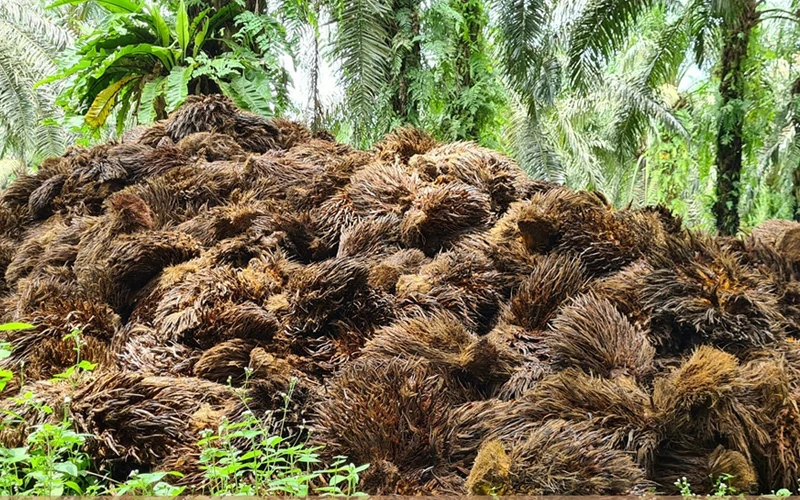
EFB fibers are tough and elastic, so multi-stage crushing is required.
Pellet plants are usually located close to palm oil mills to reduce transport costs.
Pellet quality must meet international fuel standards such as:
Moisture ≤10%
Pellet diameter 6–8 mm
Ash content <5%
An EFB Pellet Production Line transforms palm oil waste into a high-value biomass fuel.
Typical markets include:
Industrial boilers
Biomass power plants
District heating
Export biomass fuel markets
With Indonesia producing massive amounts of palm biomass, EFB pellet projects can provide both environmental benefits and strong economic returns.
Building an EFB Pellet Production Line in Indonesia is a promising investment in the biomass energy sector. By integrating shredding, drying, pelletizing, cooling, and packaging systems, palm oil waste can be converted into high-density renewable fuel pellets.
A well-designed production line typically processes 1–10 tons of EFB per hour, producing 6–10 mm biomass pellets with ≤10% moisture and calorific values above 4200 kcal/kg. With proper engineering and raw material sourcing, such a project can turn palm oil residues into a profitable and sustainable energy solution.
Lane offers one-stop services including solution design, equipment manufacturing, and overseas installation and commissioning. Feel free to contact us anytime!