In an era of rising energy costs and strict environmental compliance, converting organic waste into renewable energy is no longer just an environmental goal—it is a proven, profitable business strategy.
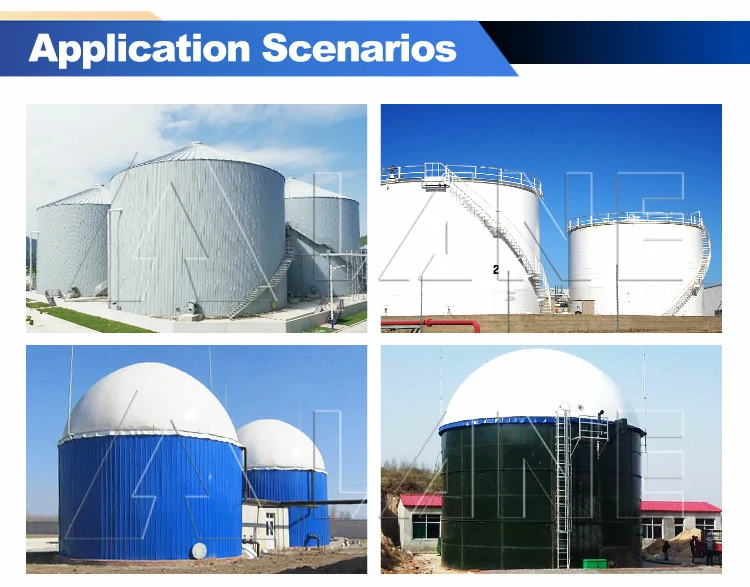
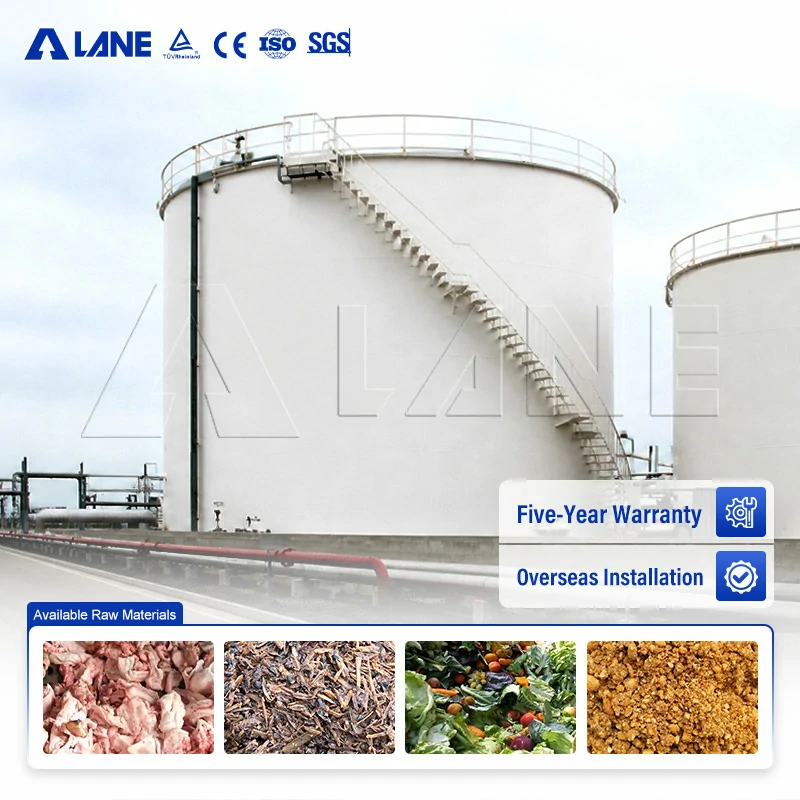
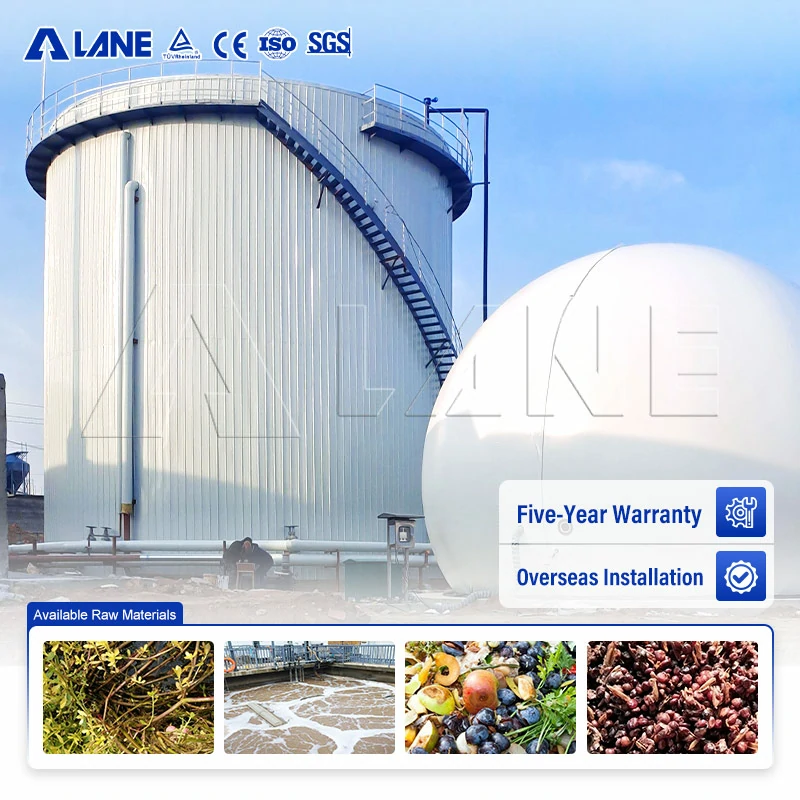
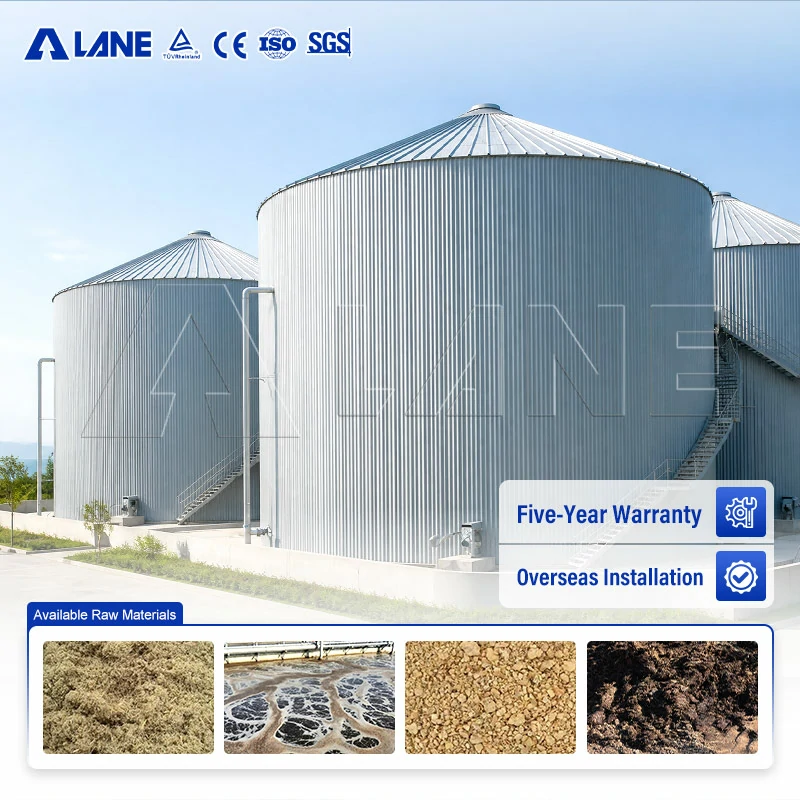
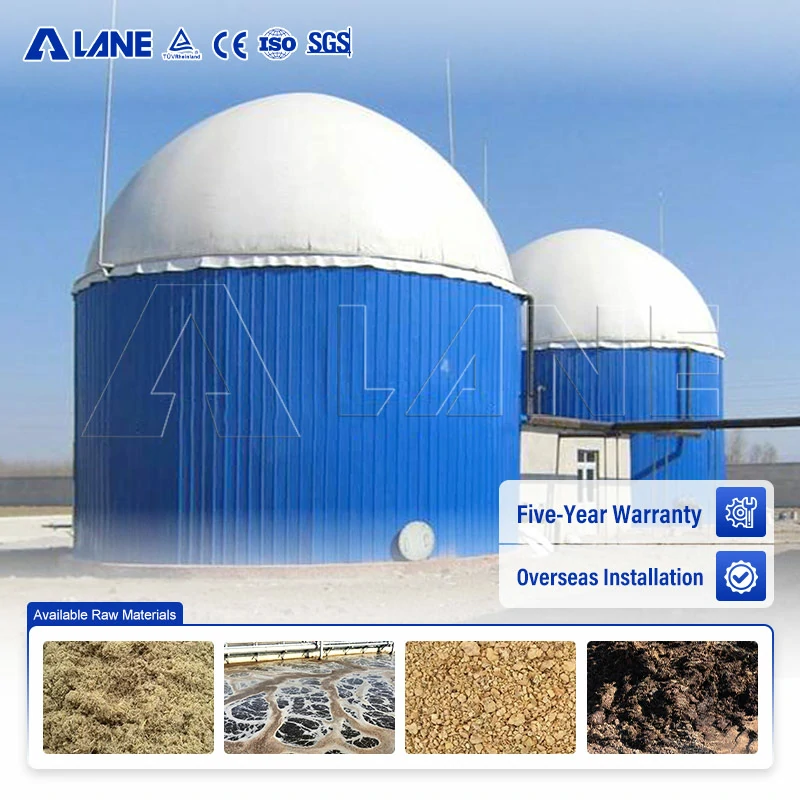
Our Industrial-Grade Anaerobic Biogas Digester Tanks are engineered to provide maximum biochemical conversion efficiency, exceptional structural longevity, and seamless automated operation. Built with advanced Glass-Fused-to-Steel (GFS) panels or heavy-duty coated alloys, our biogas digester tanks offer unmatched corrosion resistance against acidic digestate and aggressive hydrogen sulfide (H2S).
Whether you need a compact 10 m³∼100 m³ skid-mounted unit for decentralized farms or a 1,000 m³∼10,000 m³ industrial-scale Biogas Digester Tank, our custom-engineered systems ensure rapid project payback, reliable biogas production, and high-value bio-fertilizer output.
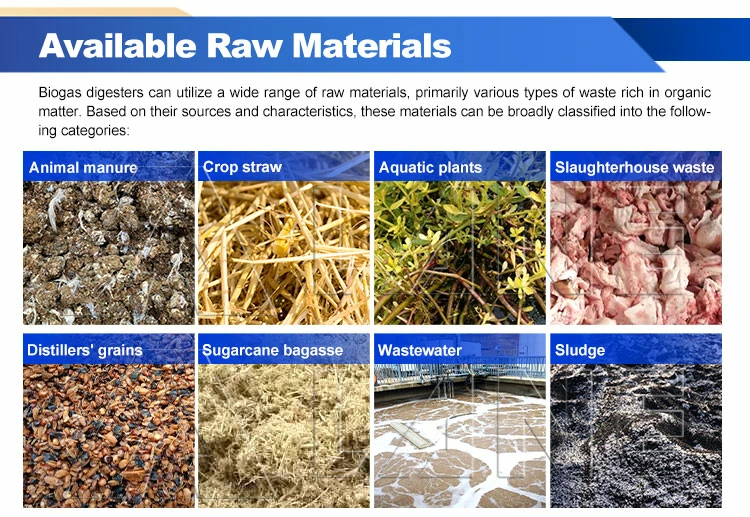
Our anaerobic biogas digester tank accommodate a broad spectrum of high-solid and liquid organic waste streams with high total solids (TS) and chemical oxygen demand (COD):
Feedstock Flexibility: High-rate biodegradation across TS 3% ~ 15% with optimized solids retention.
| Parameter | Compact Series (10∼150 m³) | Industrial Series (200∼10,000 m³) |
|---|---|---|
| Digester Capacity | 10,20,30,50,80,100,150 m³ | 200,500,1,000,3,000,5,000,10,000 m³ |
| Tank Material | GFS / Epoxy Carbon Steel / SS304 | Glass-Fused-to-Steel (GFS Bolted Panels) |
| Operating Temperature | Mesophilic (35–38∘C) / Thermophilic | Mesophilic (35–38∘C) / Thermophilic |
| Working Pressure | +1.5∼+3.0 kPa | +2.0∼+5.0 kPa |
| Mixing Type | Top Vertical / Side-Mounted Mechanical | Multi-point Side-Entry / Jet / Top Agitators |
| Methane Concentration | 55%∼70% CH4 | 55%∼70% CH4 |
| Installation Time | 3∼7 Days | 15∼30 Days |
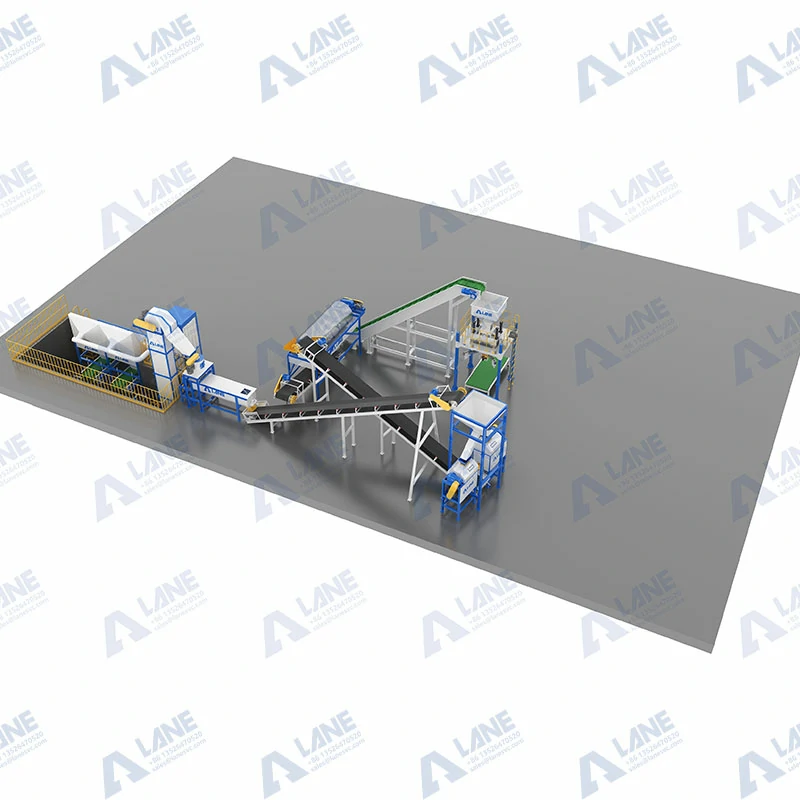
Every biogas digester tank is engineered as a fully integrated, turnkey anaerobic system:
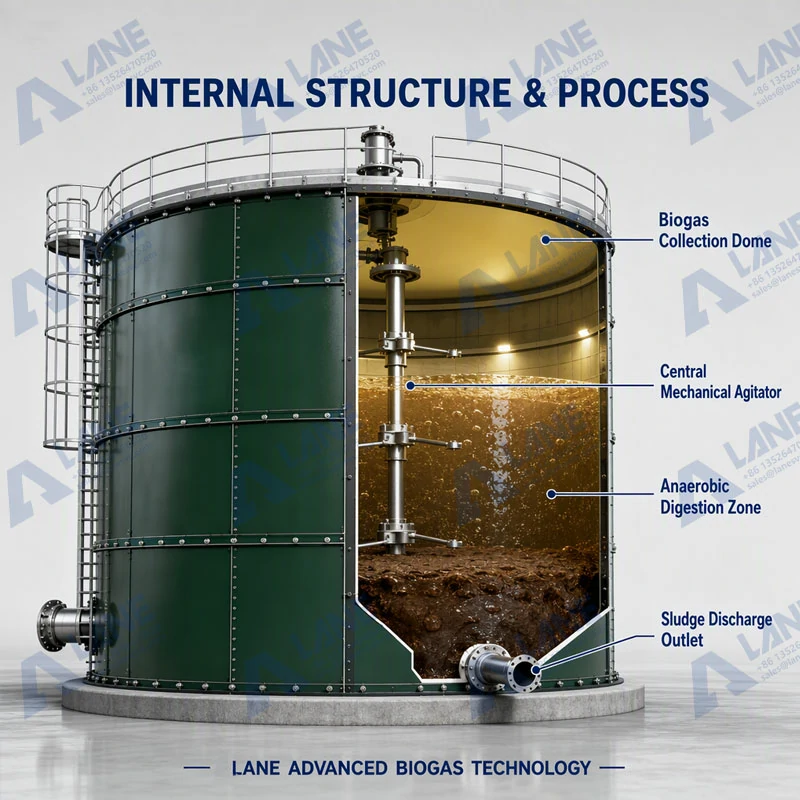
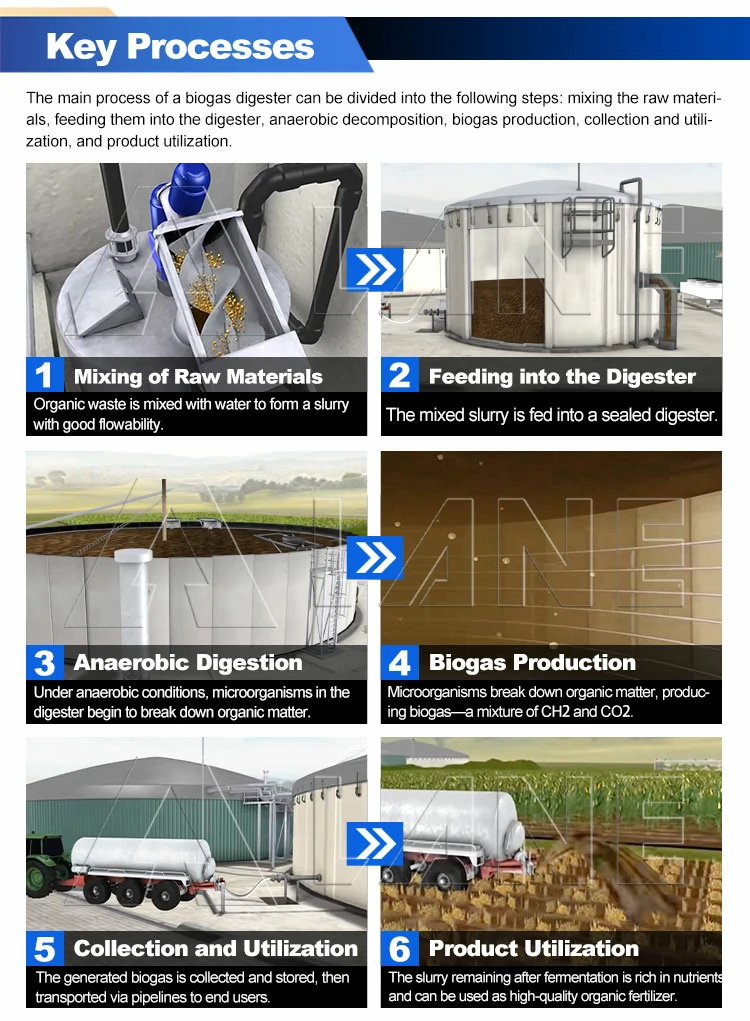
The biogas digester tank utilizes continuous microbiological degradation under strictly controlled anaerobic conditions:
Anaerobic Digestion Process Breakdown:
1. Hydrolysis: Complex particulate organic matter (polysaccharides, proteins, lipids) is solubilized by extracellular hydrolytic enzymes into simple, soluble monomers such as glucose, amino acids, and fatty acids.
2. Acidogenesis: Acid-forming fermentative bacteria absorb these soluble monomers and convert them into volatile fatty acids (VFAs like propionate and butyrate), alcohols, and lactic acid.
3. Acetogenesis: Acetogenic bacteria oxidize the intermediate VFAs and alcohols into key direct precursors: acetic acid, carbon dioxide (CO2), and hydrogen (H2).
4. Methanogenesis: Highly specialized anaerobic methanogens convert acetic acid (acetotrophic pathway) and H2/CO2 (hydrogenotrophic pathway) into high-energy biogas (55%–70% CH4) alongside stabilized, nutrient-dense digestate (bio-fertilizer).
Get a customized engineering design and cost quotation for your facility today.