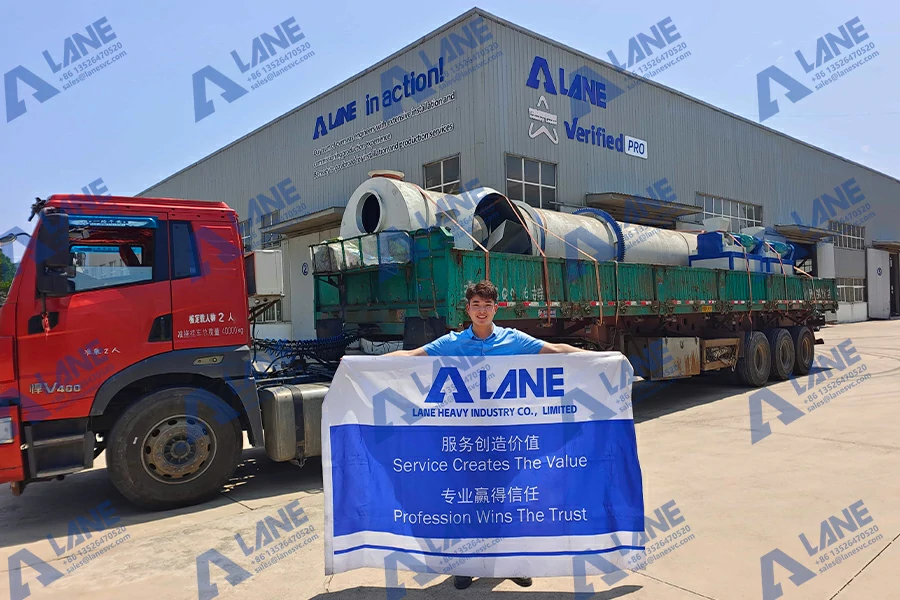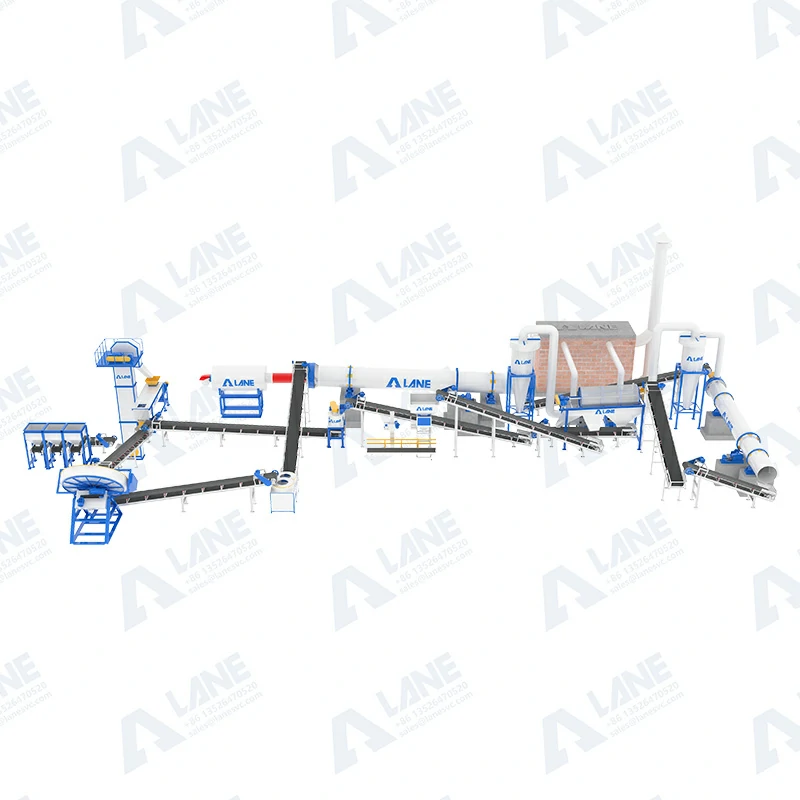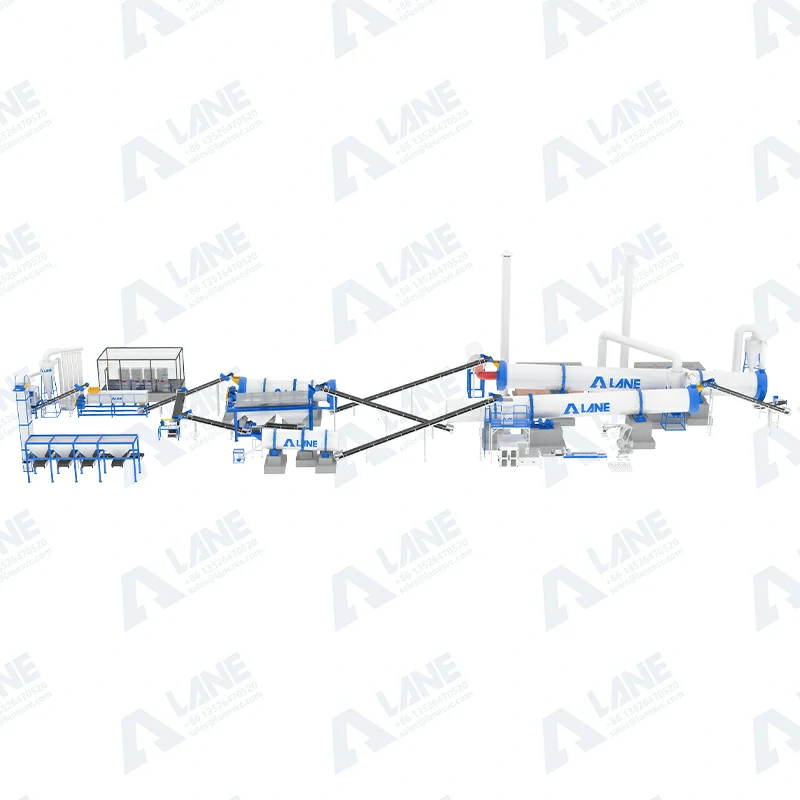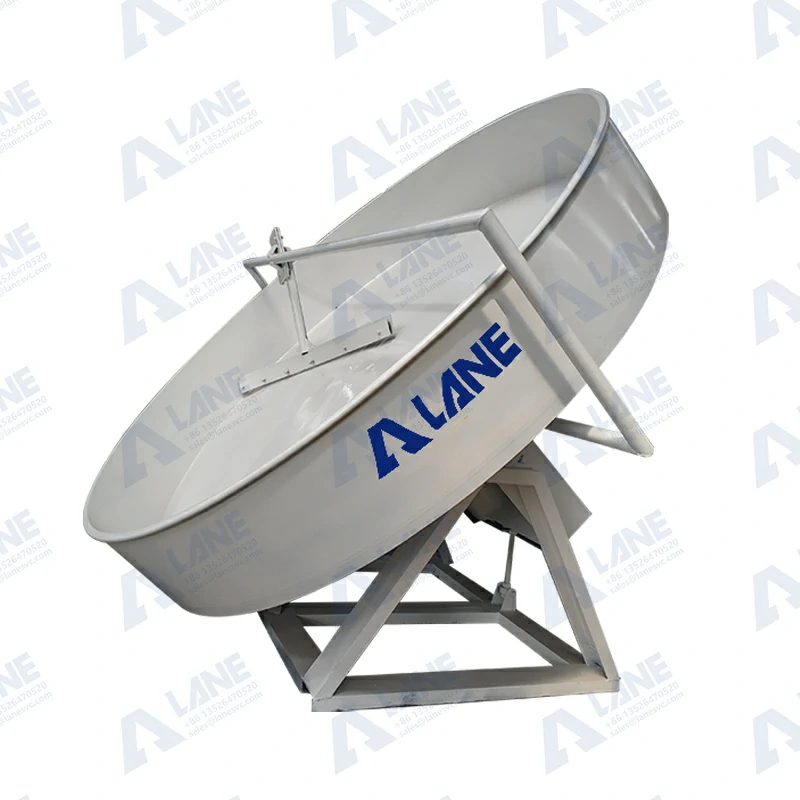
Establishing a fertilizer blending plant in Australia is a strategic move for agribusinesses looking to serve the nation’s vast agricultural sector. Unlike complex compound fertilizer manufacturing, bulk blending is a physical mixing process that combines raw materials such as urea, diammonium phosphate (DAP), and muriate of potash (MOP). This straightforward approach makes a fertilizer blending plant in Australia a highly practical solution for businesses seeking flexibility, lower startup costs, and rapid response to local soil needs.
Australia’s diverse agricultural landscape—from the wheat belt to the cotton-growing regions—requires tailored nutrient solutions. However, conventional compound fertilizer plants, due to their complex processes and fixed production lines, tend to produce a limited range of products that cannot meet the varied needs of the agricultural sector.
As a result, fertilizer blending plants in Australia have become the cornerstone of precision agriculture and efficient nutrient management.
The growing demand for a fertilizer blending plant in Australia is fueled by broadacre farming practices. Farmers increasingly require bespoke nutrient formulations that adapt to specific crops and soil conditions. Bulk blended fertilizers offer unmatched flexibility, enabling producers to adjust nutrient ratios without complex chemical processing.
Typical capacity: A standard fertilizer blending plant in Australia operates at 5–10 tons per hour, yielding 30,000–60,000 tons annually.
Small-scale systems (1–3 t/h): Ideal for local distributors and cooperatives.
Large-scale facilities (20+ t/h): Serve major agricultural supply chains across the continent.
This scalability ensures that a fertilizer blending plant in Australia can fit a wide range of business models, from family-owned enterprises to large-scale industrial operations.
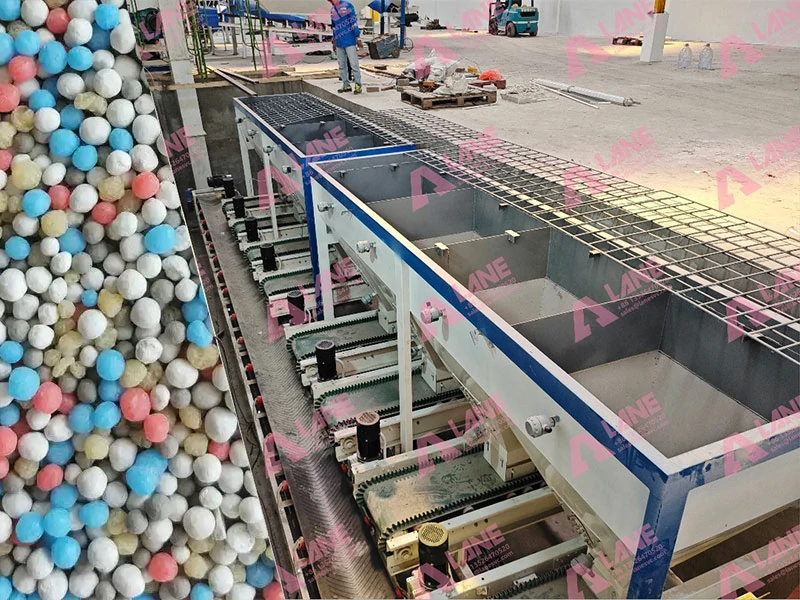
The production workflow of a fertilizer blending Line is simple yet precise. Raw materials are stored in multiple bins—typically three to six, depending on formulation needs. These materials are then fed into an automated batching system, where weighing accuracy reaches ±0.2% to ±0.5%.
After batching, materials enter a mixing unit such as a rotary drum or horizontal paddle mixer, achieving uniform blending within 2–5 minutes. The final product is then conveyed to packaging systems or bulk storage for distribution.
Automation is a critical feature of any modern fertilizer blending plant. PLC-based control systems enable:
Recipe management
Real-time monitoring
Full production traceability
This ensures both operational efficiency and regulatory compliance.
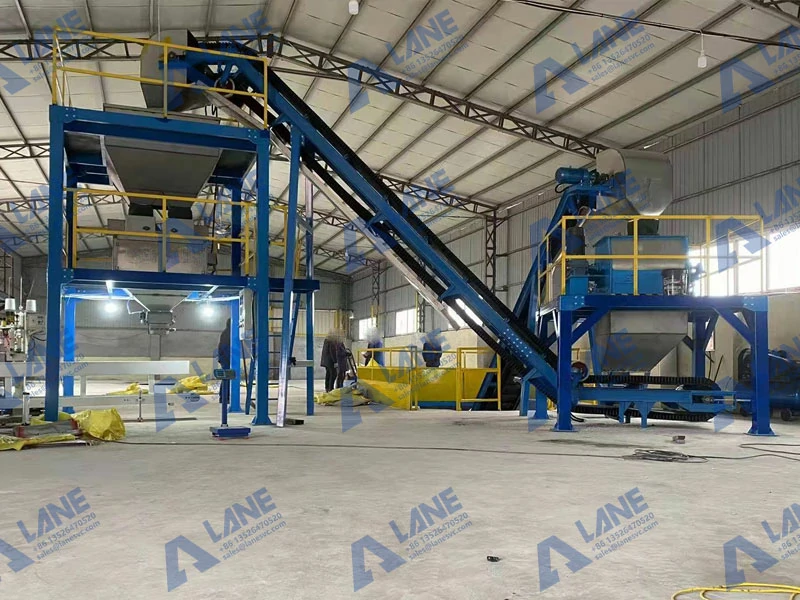
The total investment for a fertilizer blending plant in Australia varies by capacity and automation level. The following are actual transaction data from LANE cases:
| Plant Scale | Equipment Investment (USD) | Typical Use Case |
|---|---|---|
| Small-scale | $30,000 – $80,000 | Local distributors |
| Medium-scale automated | $85,000 – $120,000 | Regional agribusiness |
| Large-scale / advanced | $150,000+ | Major supply chains |
Additional cost considerations:
Equipment accounts for 40–60% of total investment.
Civil construction, installation, and environmental systems add significant costs.
Dust collection and compliance systems in Australia may exceed $50,000.
Despite these initial expenses, a fertilizer blending plant in Australia offers a relatively fast ROI due to low operating costs, high margins on custom blends, and consistent agricultural demand.
Additional cost considerations:
Equipment accounts for 40–60% of total investment.
Civil construction, installation, and environmental systems add significant costs.
Dust collection and compliance systems in Australia may exceed $50,000.
Despite these initial expenses, a fertilizer blending plant in Australia offers a relatively fast ROI due to low operating costs, high margins on custom blends, and consistent agricultural demand.
This means that if you choose to build a fertilizer blending plant, you will quickly recoup your investment and start turning a profit.
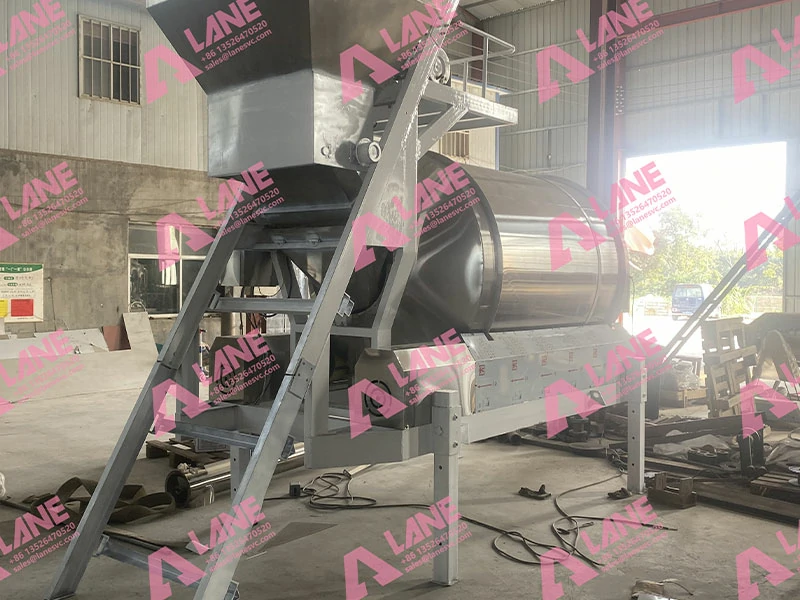
Selecting an optimal location is essential for any fertilizer blending plant in Australia. Ideal sites are near ports for easy access to imported raw materials (urea, DAP, MOP) and close to agricultural zones to minimize distribution costs.
Space and layout:
A medium-scale plant requires 300–800 m².
Layout should include: raw material storage, blending zone, packaging area, and logistics dispatch.
Critical design features: proper ventilation, dust control, and moisture protection.
An efficient layout reduces material handling time and boosts overall productivity—key factors for a profitable fertilizer blending plant in Australia.
Selecting an optimal location is essential for any fertilizer blending plant in Australia. Ideal sites are near ports for easy access to imported raw materials (urea, DAP, MOP) and close to agricultural zones to minimize distribution costs.
Space and layout:
A medium-scale plant requires 300–800 m².
Layout should include: raw material storage, blending zone, packaging area, and logistics dispatch.
Critical design features: proper ventilation, dust control, and moisture protection.
An efficient layout reduces material handling time and boosts overall productivity—key factors for a profitable fertilizer blending plant in Australia.
If you are concerned that you lack the project design capabilities to ensure a smooth start-up, rest assured that LANE provides EPC engineering services covering everything from design to installation.
Operating a fertilizer blending plant in Australia requires strict adherence to multiple regulations. Key steps include:
Land use approvals from local councils.
Environmental compliance enforced by state authorities (some projects require environmental impact assessments).
Hazardous material permits for certain raw materials (e.g., ammonium nitrate-based products).
Australian Business Number (ABN) registration.
Product labeling standards – must clearly state nutrient composition, net weight, raw material sources, and batch numbers for full traceability.
Non-compliance can lead to heavy fines or shutdowns, so working with local regulatory experts is strongly recommended when building a fertilizer blending plant in Australia.

Developing a fertilizer blending plant in Australia is a practical, scalable investment. The combination of moderate capital requirements, production flexibility, and robust market demand makes this an attractive opportunity.
However, success depends on:
Selecting the right capacity for your target market.
Ensuring full regulatory compliance.
Optimizing plant layout and automation.
As precision agriculture continues to expand across Australia, the fertilizer blending plant in Australia will play an increasingly vital role in delivering efficient, customized fertilization solutions.
For businesses planning to establish a fertilizer blending plant in Australia, LANE provides a complete, reliable solution. Our systems feature high-precision batching technology, durable mixing equipment, and advanced automation to ensure consistent product quality.
Capacity options: 5 to 100 tons per hour, adaptable to any project scale.
Comprehensive support: Process design, installation guidance, and technical consulting.
Compliance-focused engineering: Designed to meet Australian environmental and safety standards.
With LANE, you can build and operate a fertilizer blending plant in Australia that delivers efficiency, compliance, and long-term profitability.