Case Study: Delivering a High-Efficiency 40 m³/h Commercial Potting Soil Production Line
Project Snapshot & Key Specifications
| Project Parameter |
Engineering Specification |
| Project Type |
Turnkey EPC Commercial Potting Soil Production Line |
| Industry Sector |
Horticultural Substrates & Commercial Greenhouse Growing Media |
| Design Capacity |
40 m³/h (approx. 22–26 TPH22–26TPH depending on bulk density) |
| Primary Raw Materials |
Sphagnum Peat Moss (5–6 m³ compressed big bales), Washed Coco Coir, Aged Pine Bark, Expanded Perlite, Dolomitic Lime, Controlled-Release Fertilizer (CRF) |
| Finished Products |
20 L & 50 L Retail Soil Bags, 70 L Professional Nursery Mixes, 2 m³ Commercial Bulk Totes |
| Core Equipment Scope |
Heavy-duty big-bale de-balers, 5-bin volumetric belt proportioners, continuous twin-shaft fluidized paddle mixer with liquid injection, anti-clogging trommel screener, automated FFS bagging line, robotic palletizer, centralized baghouse dust collection |
| Automation Level |
Fully automated PLC + SCADA closed-loop control |
| Commissioning Period |
4 Weeks (FAT verified + on-site mechanical & electrical SAT) |
1. Background & Client Pain Points
Our client is a prominent horticultural growing media supplier in North America providing specialized potting soil for commercial container nurseries, automated greenhouse growers, and high-end retail garden centers.
Prior to commissioning the new facility, the client operated a semi-manual batch mixing system that could no longer keep pace with seasonal demand spikes. Their existing workflow suffered from four critical operational bottlenecks:
Inconsistent Recipe Ratios & Bulk Density Fluctuations
Volumetric batching was conducted with front-end loaders and manual hopper gates, leading to a ±12%±12% variance in bulk density and uneven distribution of expensive controlled-release fertilizers and dolomitic lime.
Perlite Degradation & Loss of Air-Filled Porosity (AFP)
The existing high-speed ribbon blender exerted excessive shear stress, crushing expanded perlite into fine dust. This degraded the substrate’s aeration properties, causing customer complaints regarding soil compaction and waterlogging in automated nursery irrigation.
Excessive Floor Labor & High Operating Costs
The semi-automated bagging station required 8 full-time workers per shift across feeding, manual bag clamping, heat sealing, and manual pallet stacking, creating severe labor constraints during peak spring shipping windows.
Severe Fugitive Dust & High Maintenance Downtime
Fine peat dust and perlite powder constantly escaped into the plant atmosphere, causing frequent motor bearing failures and creating challenging working conditions for floor personnel.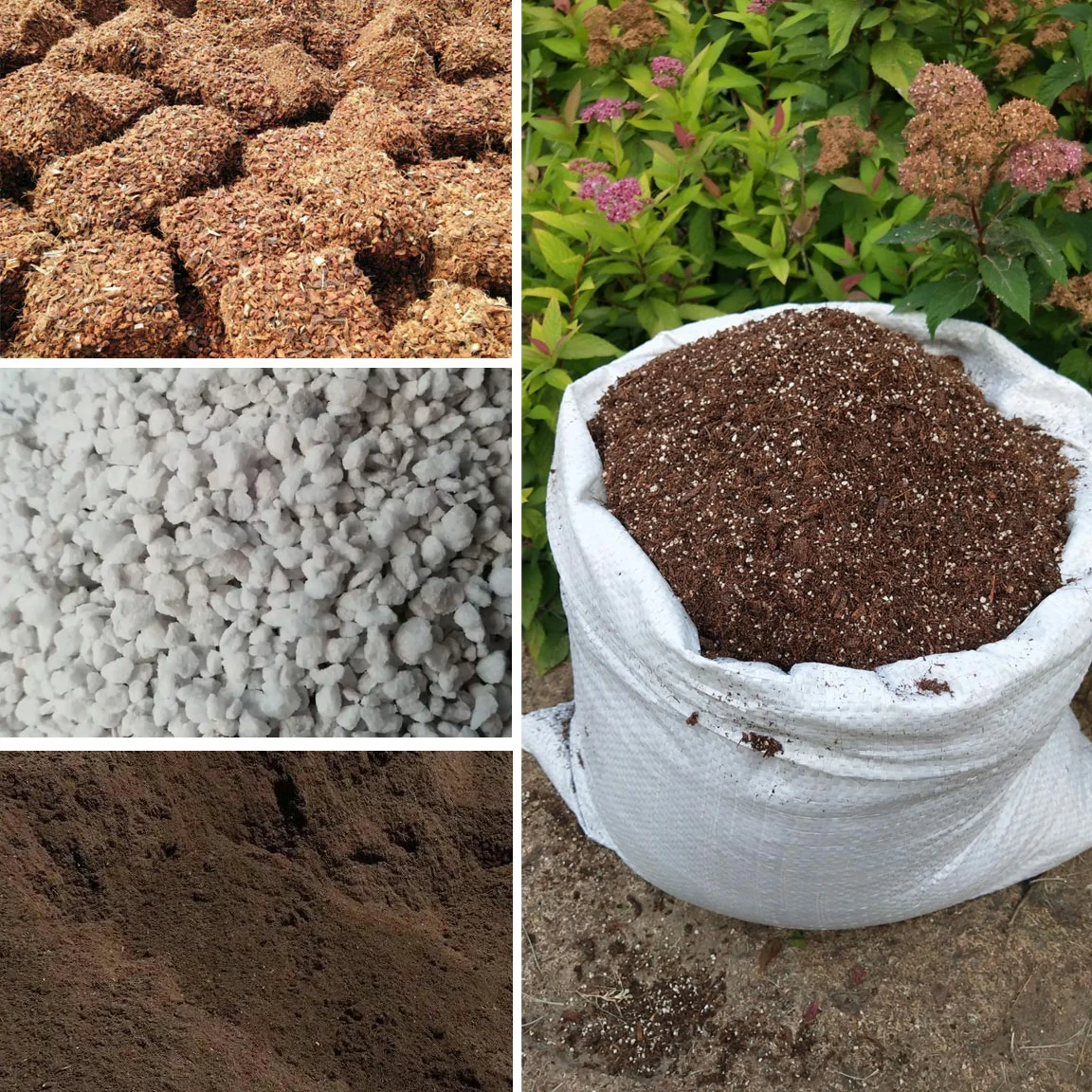
2. Engineered Solution: Turnkey Plant Design & Equipment Layout
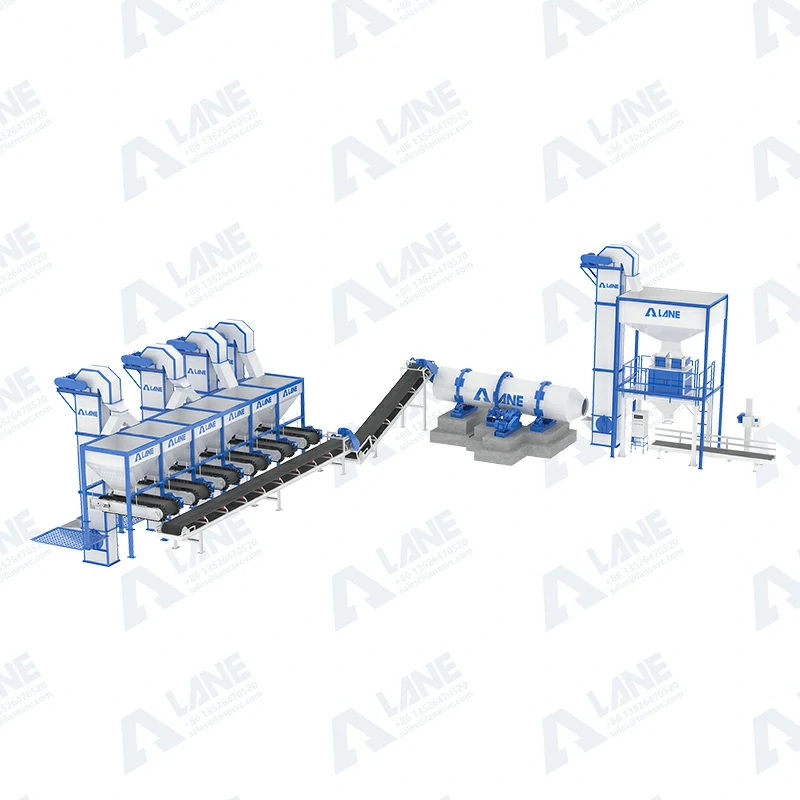
To resolve these challenges, our engineering team designed and manufactured a customized, continuous commercial potting soil production line rated at 40 m3/h40m3/h. The complete plant layout is organized into six synchronized processing stages:
Stage 1: Gentle Raw Material De-Baling & Conditioning
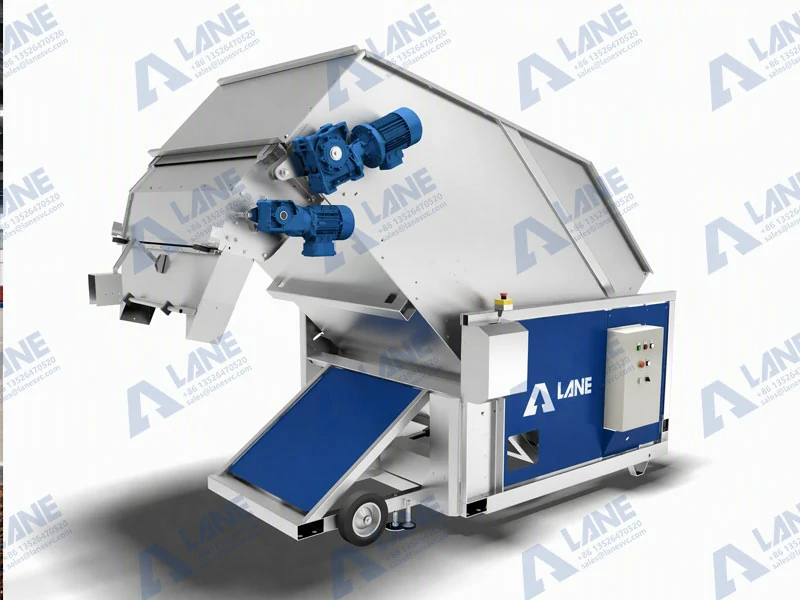
- Hydraulic Big-Bale Peat Breaker: A dedicated 6 m³ hydraulic tilting platform feeds compressed peat bales into low-RPM, high-torque dual tearing rotors. Manganese steel (Mn13) teeth de-compact high-density bales down to natural fiber structure without cutting or shearing long fibers.
- Coco Coir & Bark Sizing Unit: Blocks of washed coco coir and aged pine bark are pre-shredded and delumped to a uniform 0–15 mm0–15mm fraction before conveying to dosing hoppers.
Stage 2: 5-Bin Continuous Volumetric & Gravimetric Dosing System
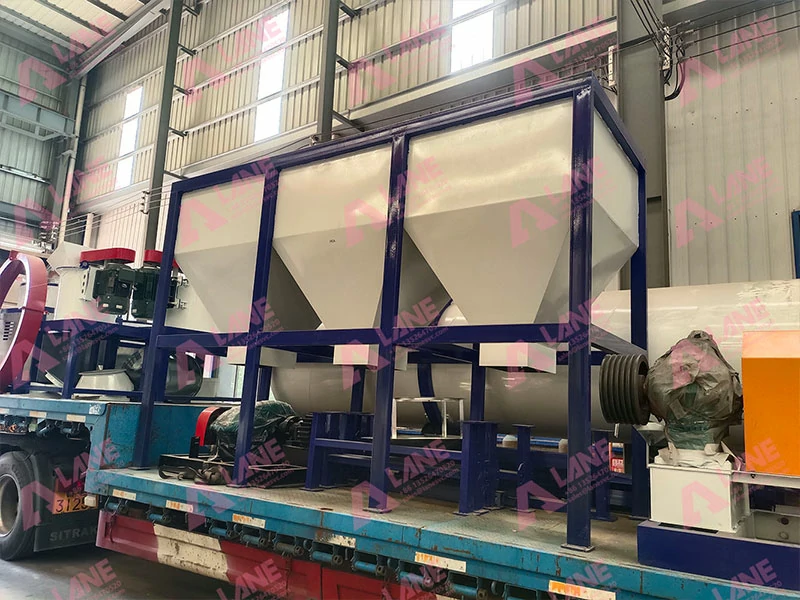
- Organics & Mineral Hoppers: Four 12 m³ steep-wall hoppers (70∘ discharge angle) equipped with live-bottom agitators and VFD-driven wide conveyor belts continuously meter peat, coco coir, bark, and perlite.
- Loss-in-Weight Additive Silo: A precision gravimetric feeder dispenses dolomitic limestone, micro-elements, and controlled-release fertilizer directly onto the gathering belt with an accuracy of ±0.5%.
- Gentle Perlite Downstream Feed: Perlite is metered via a dedicated low-speed belt conveyor directly into the mixer inlet chute, bypassing aggressive pre-conveying drops to protect its delicate cellular structure.
Stage 3: Low-Shear Fluidized Twin-Shaft Mixing with Atomized Wetting Agent Dosing
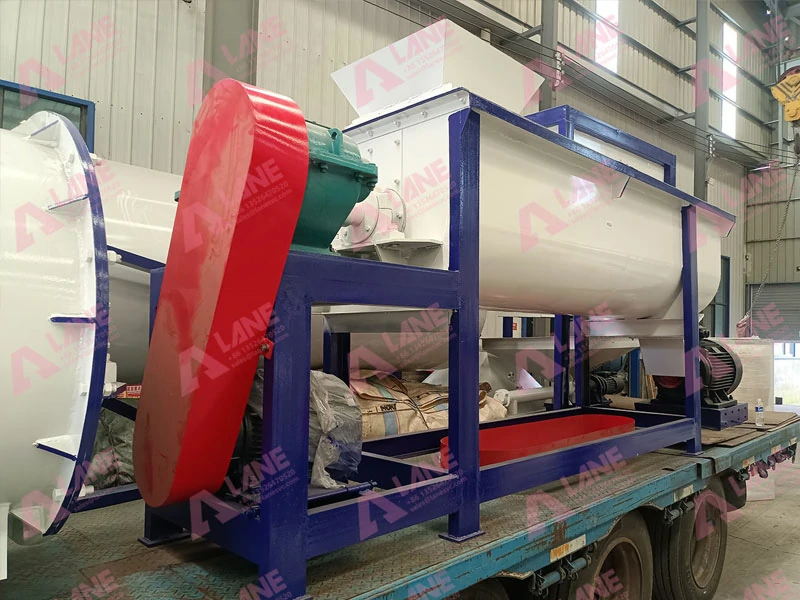
- Continuous Twin-Shaft Paddle Mixer: Features counter-rotating, overlapping paddle shafts operating at a gentle tip speed (v<1.1 m/s). The mixer creates a fluidized weightless zone where fibrous peat, porous perlite, and micro-nutrients achieve over 98% homogeneity in under 60 seconds without particle breakdown.
- Automated Liquid Injection Manifold: Integrated stainless steel (SS304) high-pressure misting nozzles spray non-ionic wetting agent and water directly into the fluidized material stream, bringing hydrophobic dry peat to a uniform 45%–50% target moisture content without creating wet lumps.
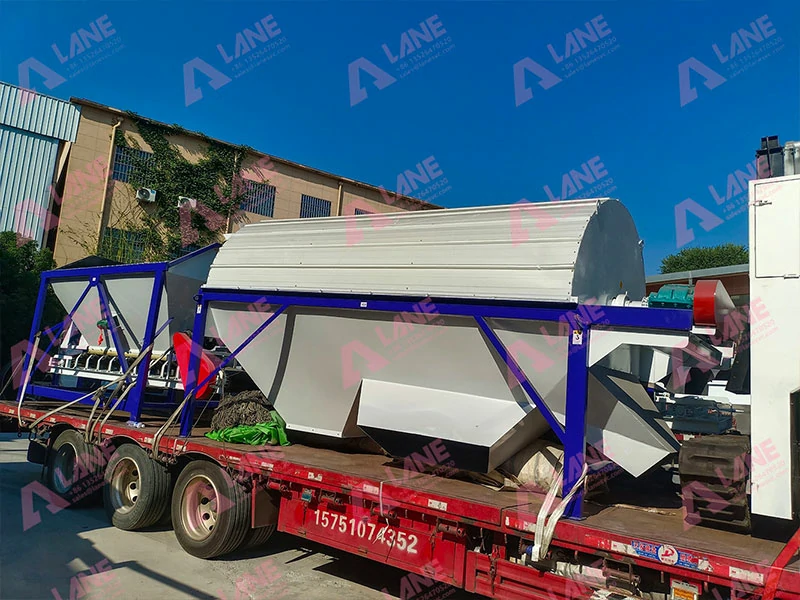
- Anti-Clogging Trommel Screen (Φ1.5 m×6 m): Equipped with high-resilience nylon cleaning brush rollers to prevent wet, fibrous peat from blinding the 15 mm punch-plate screen. Oversized root chunks and unground bark are automatically segregated.
- Self-Cleaning Overband Magnetic Separator: Suspended above the transfer belt to extract any ferrous debris, ensuring complete protection for downstream packaging equipment and end-users.
Stage 5: High-Speed Automated Bagging, Palletizing & Hooding
- Automatic Form-Fill-Seal (FFS) Soil Packaging Machine: Employs continuous tubular roll film and a calibrated volumetric dosing chamber to pack 20 L, 50 L, and 70 L bags at speeds up to 1,200 bags/hour.
- Robotic Articulated Palletizer: Equipped with a custom pneumatic clamp gripper that squares, flattens, and stacks flexible soil bags onto standard pallets with millimeter precision.
- Automatic Rotary Ring Stretch Wrapper: Applies tight, weather-resistant stretch film with top-sheet protection for outdoor nursery storage.
Stage 6: Negative-Pressure Baghouse Dust Collection & Centralized SCADA Control
- Pulse-Jet Dust Extraction: Ducting connected to all transfer drop points, mixer hoods, and bagging hoppers continuously evacuates particulate into an outdoor pulse-jet baghouse collector (18,000 m³/h airflow rating), keeping the indoor plant environment clean.
- Siemens S7-1500 PLC & SCADA System: Centralized touch-screen HMI stores over 50 custom substrate formulations, tracking real-time production tonnage, motor loads, moisture levels, and automated alarm diagnostics.
3. Project Delivery, Installation & Commissioning Timeline
| Operational Metric |
Before Project |
After Commissioning |
Net Improvement |
| Production Throughput |
18–20 m³/h |
40–45 m³/h |
+115% Capacity |
| Shift Labor Requirement |
8 Operators |
2 Operators |
-75% Labor Cost |
| Recipe Dosing Accuracy |
±12% Bulk Variance |
±1.2% Precision |
10x Consistency Gain |
| Perlite Pore Breakage Rate |
>28% Crushed Fines |
<3.5% Fine Loss |
Preserved Substrate AFP |
| Packaging Speed (50L Bags) |
350 bags/hour |
1,150 bags/hour |
+228% Bagging Output |
| Plant Air Dust Concentration |
High Fugitive Dust |
<5 mg/Nm3 Clean Air |
Full OSHA/EPA Compliance |
Quantifiable Financial Payback:
- Direct Labor Savings: Reduced 6 workers per shift across two 8-hour daily shifts, saving approximately $320,000 annually in direct wages and benefits.
- Fertilizer & Additive Optimization: Precision gravimetric dosing eliminated over-dosing of expensive controlled-release fertilizers, saving an estimated $45,000 per production season.
- Total Investment Payback Period: The client recovered the total capital expenditure (CAPEX) of the complete turnkey potting soil production line in 11.2 months of commercial operation.
5. Client Testimonial
“Upgrading to this fully automated commercial potting soil production line completely transformed our production economics. In our peak spring season, we doubled our output while cutting floor labor by 75%. Crucially, the gentle twin-shaft mixer preserves our perlite structure, delivering the exact air-filled porosity our commercial greenhouse clients demand. The equipment engineering, build quality, and installation support were outstanding from day one.”
— Operations Vice President, Commercial Substrate Supplier (North America)
Conclusion & Inquire for Your Potting Soil Production Line
This project demonstrates how a modern, continuous commercial potting soil production line integrates gentle organic handling, precision multi-ingredient dosing, low-shear fluidized mixing, and automated packaging into a high-yield, low-labor manufacturing asset.
Whether you are expanding an existing peat blending facility or building a greenfield horticultural substrate plant, our engineering team provides end-to-end turnkey EPC solutions customized to your target output and raw material specifications.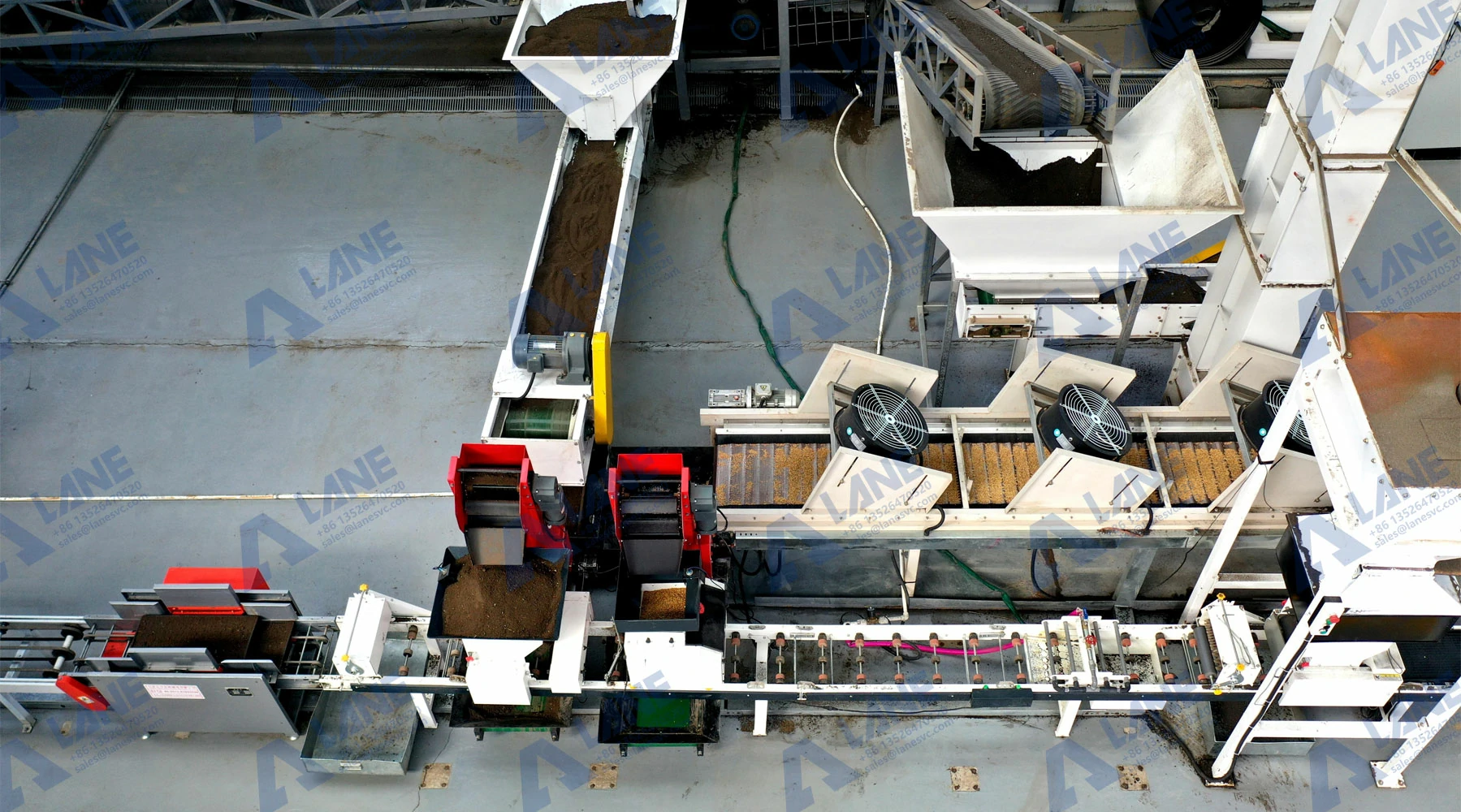
Contact our substrate engineering team today to review equipment specifications, schedule a material blending trial, or receive a preliminary 3D plant layout proposal.