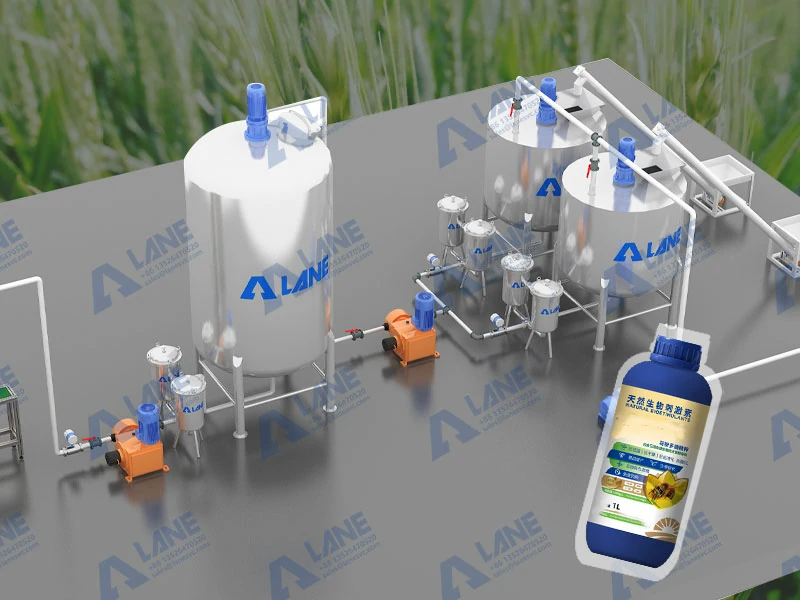
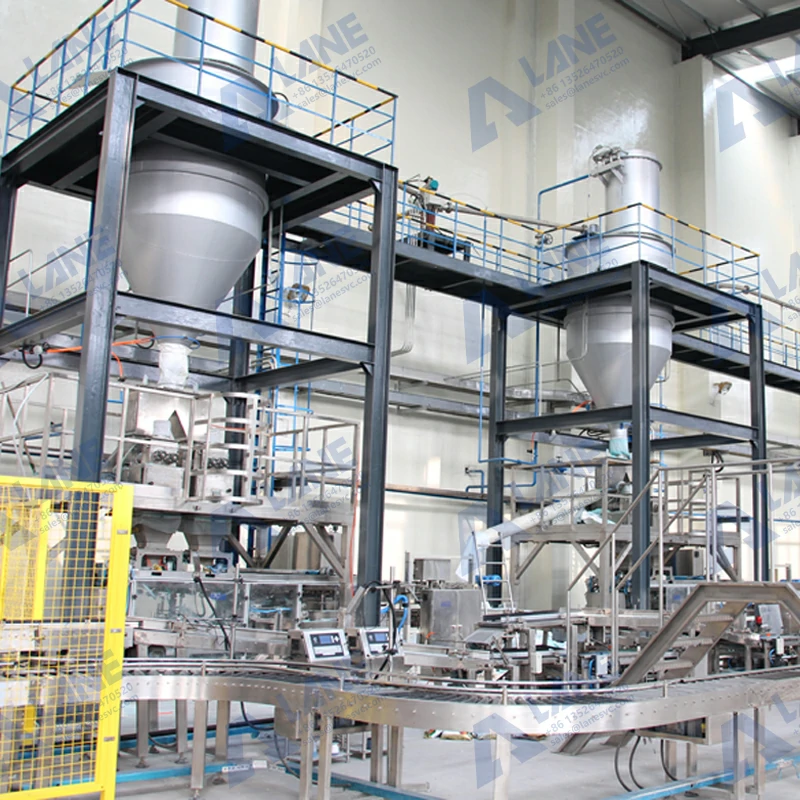
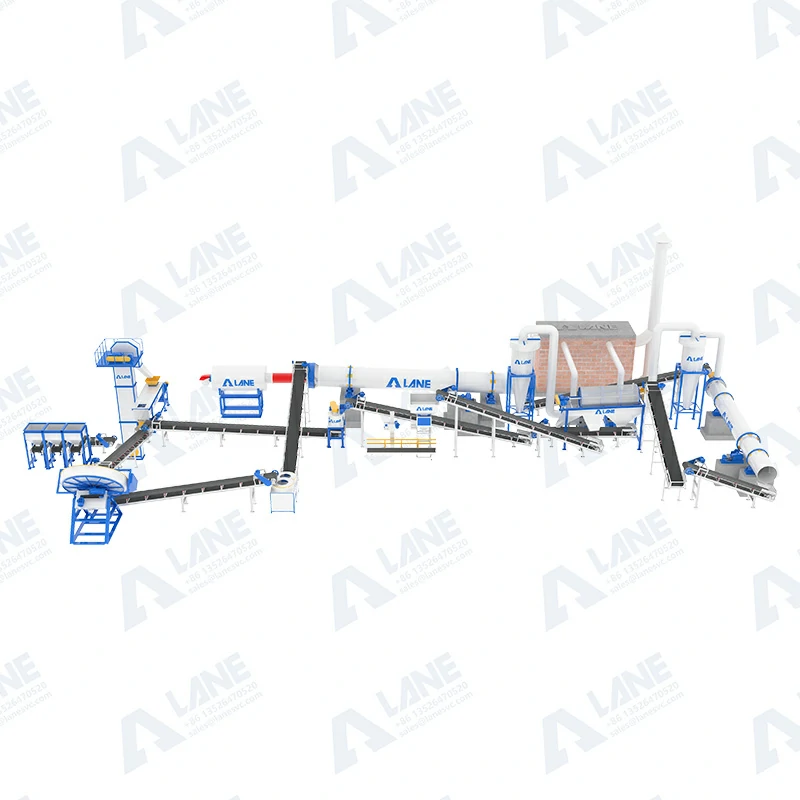
Discover how to build a profitable biostimulant production line. Learn about biostimulant types, raw materials, manufacturing processes, required equipment, and turnkey plant solutions from LANE for seaweed extract, humic acid, amino acid, and microbial biostimulant production.
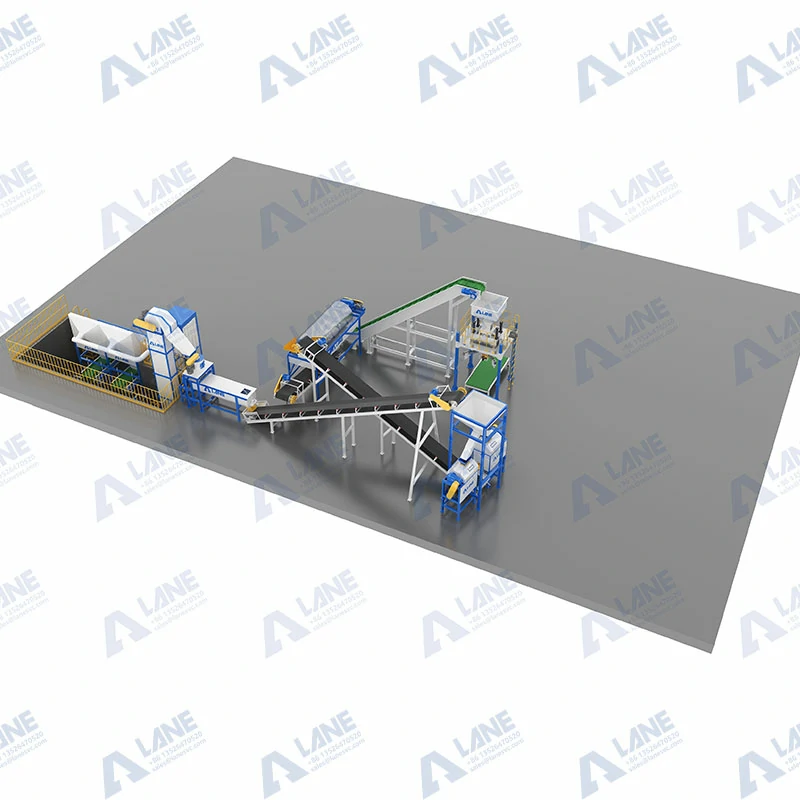
The Complete Guide to Fertilizer Formulations, Crop Applications, and Formulation Adjustment Processes for NPK Blending Plants
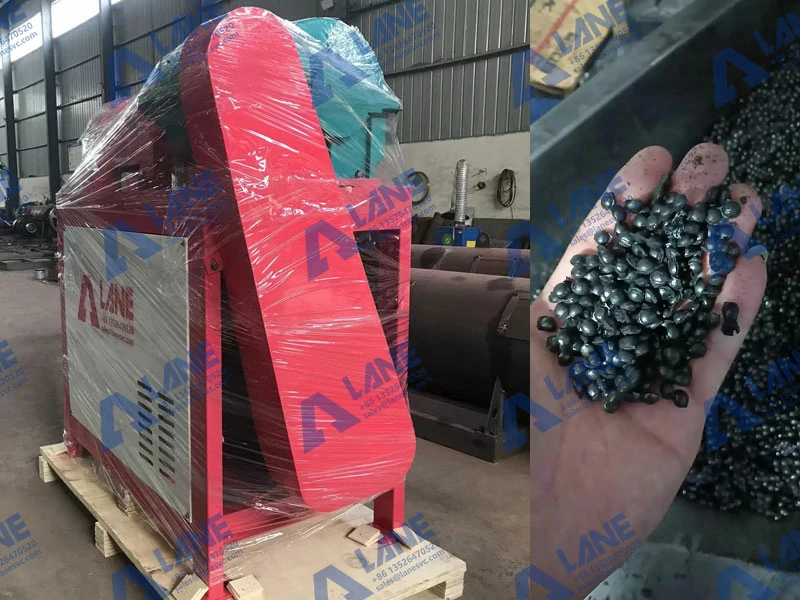
Looking for a cheap NPK fertilizer granulator price? This article covers what a double roller granulator is, how it works, its advantages, and why it’s the best budget choice for NPK compound fertilizer production.
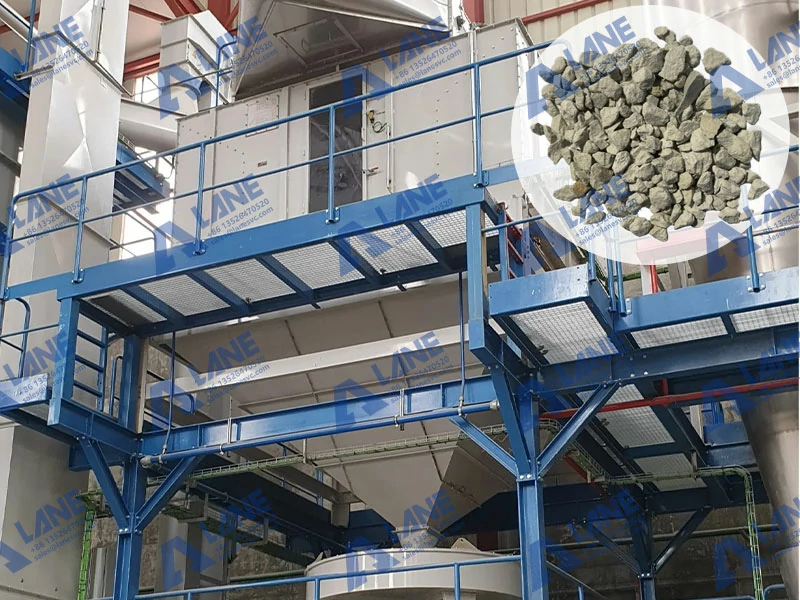
Discover the benefits of zeolite in organic fertilizers and explore the advantages and potential of LANE zeolite fertilizer production equipment.
Discover high-quality bone meal fertilizer equipment for 3–5 TPH production. Turnkey solutions, custom formulas, overseas installation, and certified projects available.
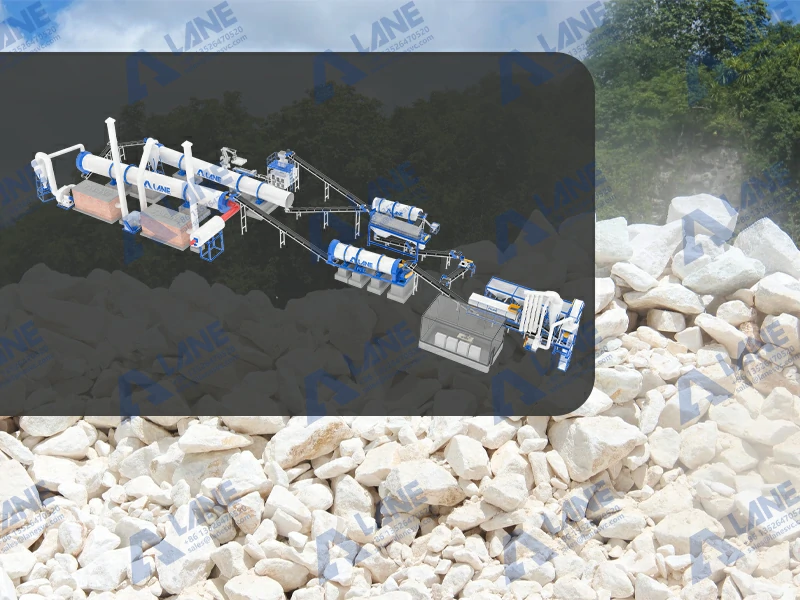
Dolomite for fertilizer production has moved from niche soil amendment to a strategic industrial mineral input for modern fertilizer plants. With global agriculture facing supply chain volatility and rising nutrient demand, processed dolomite provides essential calcium and magnesium while also enhancing soil conditioning and fertilizer performance.