As a country with a highly modernized agricultural sector, Finland boasts an advanced agricultural system and strict environmental standards.
Establishing a fertilizer production plant in Finland requires a comprehensive understanding of raw materials, production technologies, regulatory compliance, and sustainable practices.
Last year, LANE partnered with a Finnish agricultural company to complete the construction and installation of a modern organic fertilizer plant, which is now successfully operational and has recouped its costs.
This article provides a complete solution for investors planning to develop a fertilizer manufacturing plant in Finland.
The client contacted us to describe the local fertilizer market situation—given Finland’s strict agricultural policies and environmental regulations, chemical fertilizer production plant must meet high standards of sustainability, including reduced waste emissions, minimized use of soil-damaging chemicals, and maximized nutrient utilization.
This makes building a chemical fertilizer manufacturing plant in Finland extremely challenging; consequently, the client’s request was very clear—to prioritize the construction of an organic fertilizer manufacturing plant in Finland.
Organic fertilizers not only meet Finland’s environmental policies but also improve soil structure and increase organic matter content, thereby meeting the agricultural development needs under the region’s cold climate conditions.
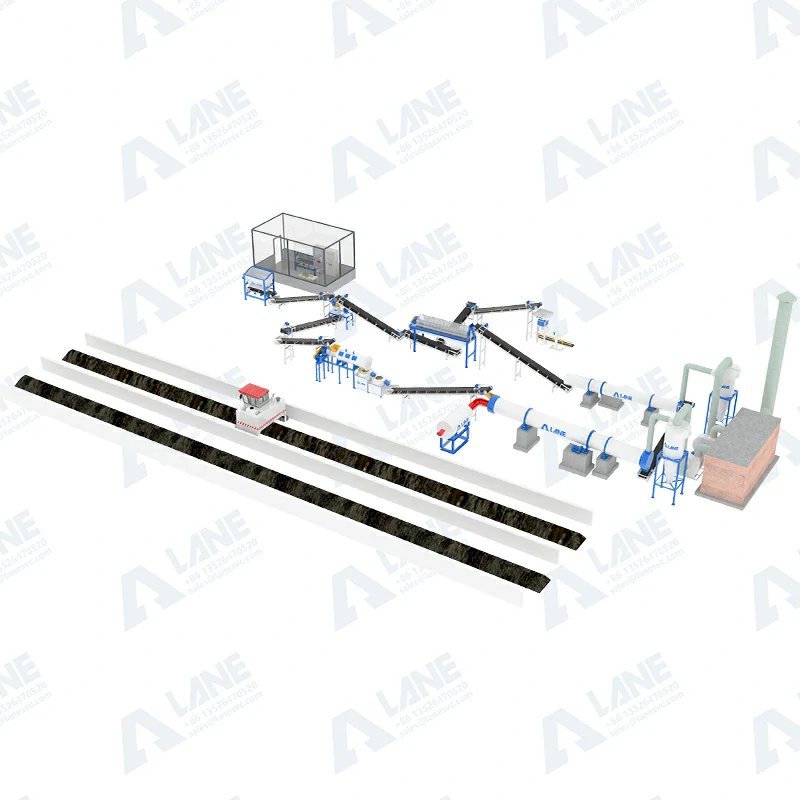
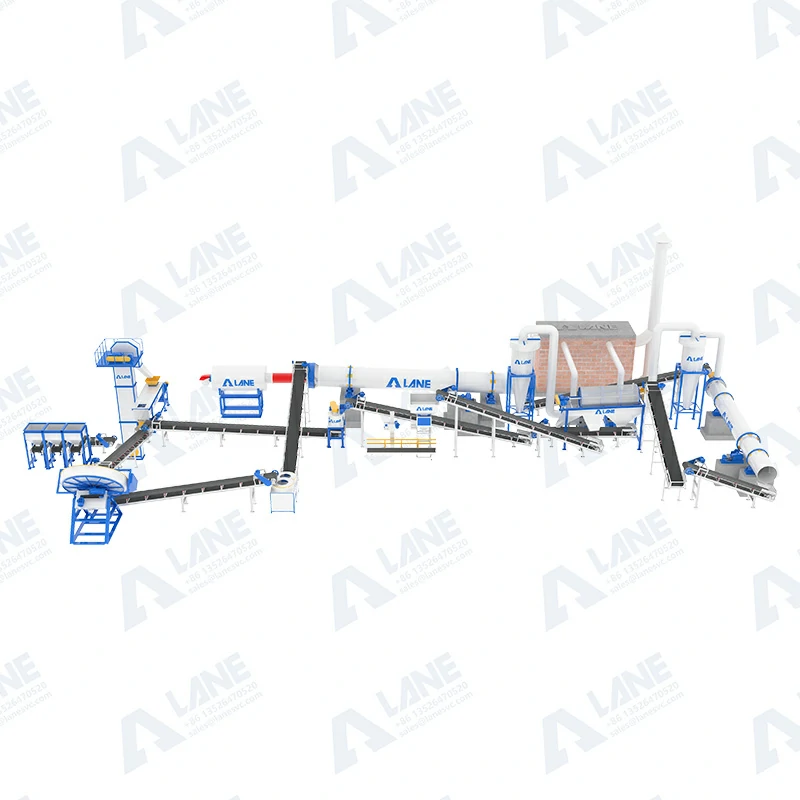
The design capacity of organic fertilizer manufacturing plants typically ranges from 10,000 to 200,000 tons per year, with the specific scale depending on market demand and raw material availability. Common production configurations include:
Compared to traditional NPK granulation or blended fertilizer production lines, organic fertilizer production places greater emphasis on fermentation processes and environmental controls, and the equipment configuration and investment structure will be adjusted accordingly.
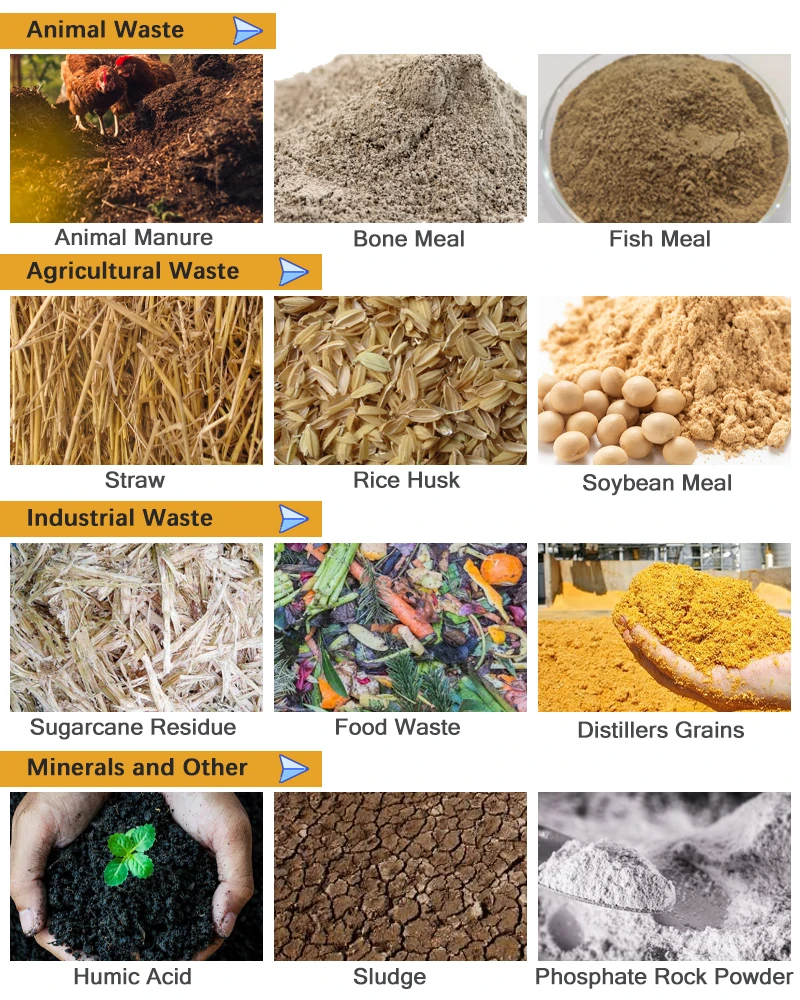
The success of an organic fertilizer manufacturing plant in Finland largely depends on the availability and efficient utilization of organic raw materials. Common raw materials include:
The core production technology is based on aerobic fermentation (composting), which stabilizes organic matter, eliminates pathogens, and converts waste into nutrient-rich fertilizer.
Key process steps include:
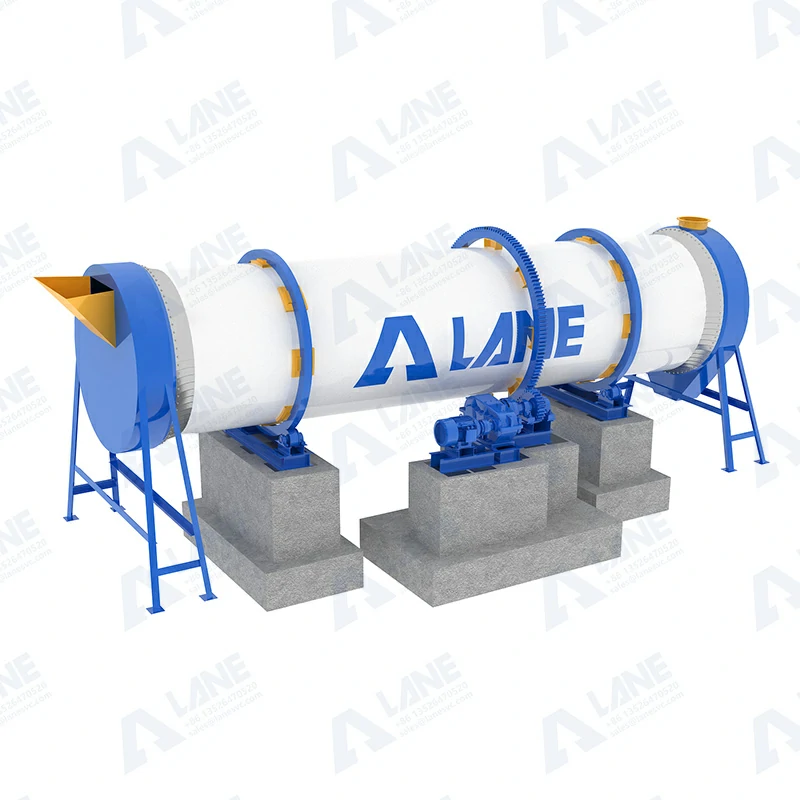
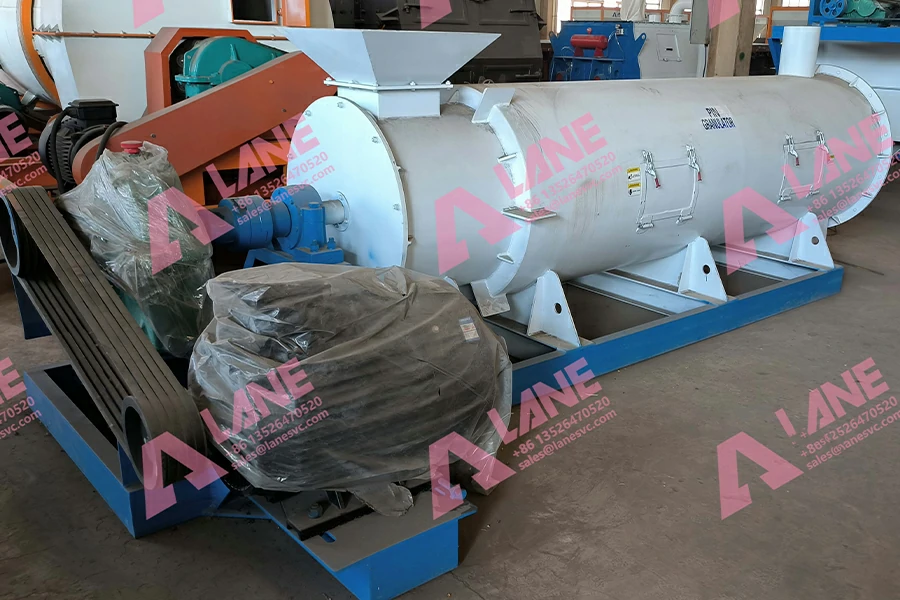
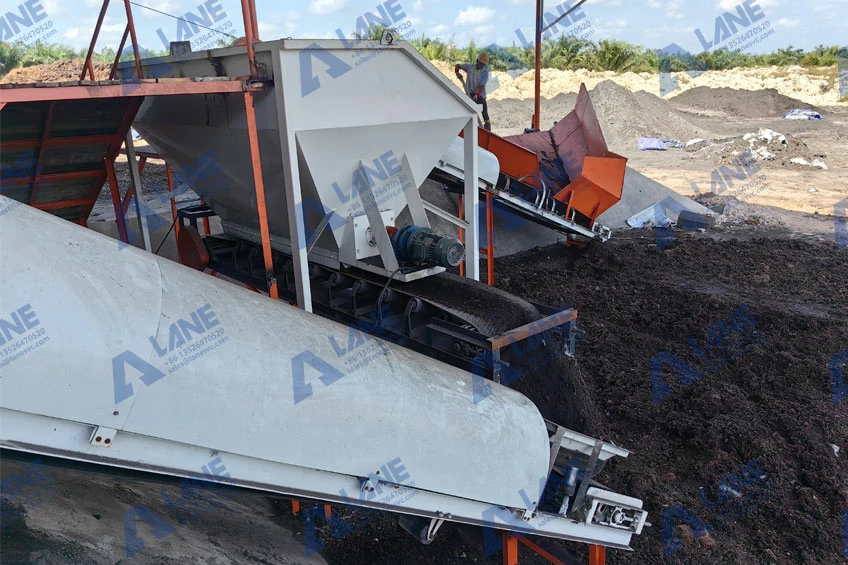
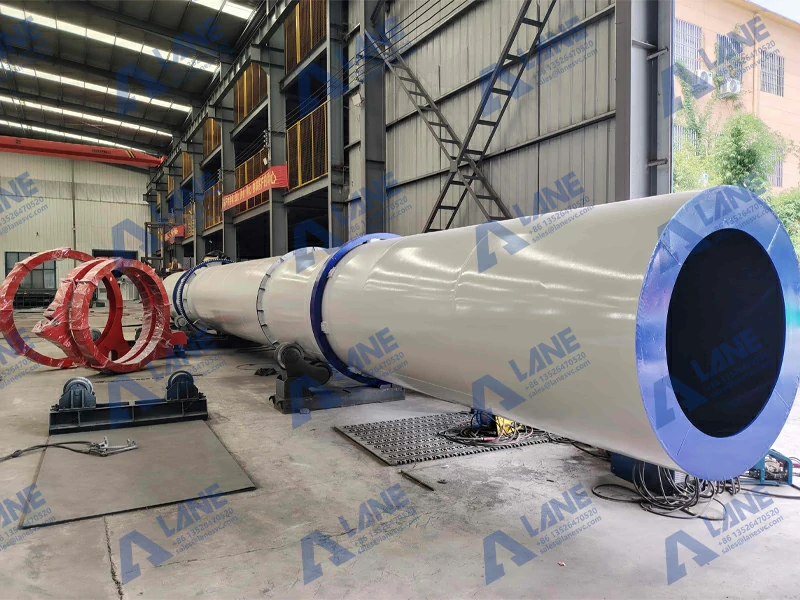
A modern organic fertilizer manufacturing plant in Finland requires efficient, durable, and environmentally compliant equipment. Core equipment includes:
Due to the corrosive nature of organic materials, equipment is often made of stainless steel or treated with anti-corrosion coatings to ensure long service life.
Investment costs for organic fertilizer manufacturing plant in Finland vary depending on the level of automation, site conditions, and production processes.
Initially, the client was unaware of the specific investment costs, so we provided three proposals for organic fertilizer plants of different scales:
The main cost components include:
Compared to chemical fertilizer manufacturing plants, organic fertilizer manufacturing plants have lower raw material costs but place higher demands on raw material processing and fermentation systems.
Environmental compliance is a critical factor for any organic fertilizer manufacturing plant in Finland. Key requirements include:
Energy-efficient design and automation systems are highly recommended to minimize operational costs and environmental impact.
Proper site selection is essential for the success of an organic fertilizer manufacturing plant in Finland. Key factors include:
Industrial zones or agricultural regions are typically preferred.
To establish an organic fertilizer manufacturing plant in Finland, investors must obtain several permits:
Additionally, compliance with EU organic fertilizer regulations is essential for market access.
As a leading manufacturer of fertilizer industry equipment in China, Lian has the capability to turn your vision into reality. We offer:
1. Customized solutions tailored to your raw materials and site conditions
2. Superior equipment manufacturing
3. Rigorous production testing and quality assurance
4. Technical and installation support
5. Lifetime after-sales service