author: Zero Shen
from: LANE Machinery Groups
As an abundant resource in coastal regions, seaweed possesses unique nutritional value. Rich in alginic acid, amino acids, and natural plant hormones, liquid fertilizers produced from seaweed can significantly enhance crop yields, stress tolerance, and soil health.
With the growing market demand for organic liquid fertilizers, many liquid fertilizer manufacturers are choosing to produce liquid seaweed fertilizer to increase profits and market share. So, how to produce liquid seaweed fertilizer on an industrial scale?
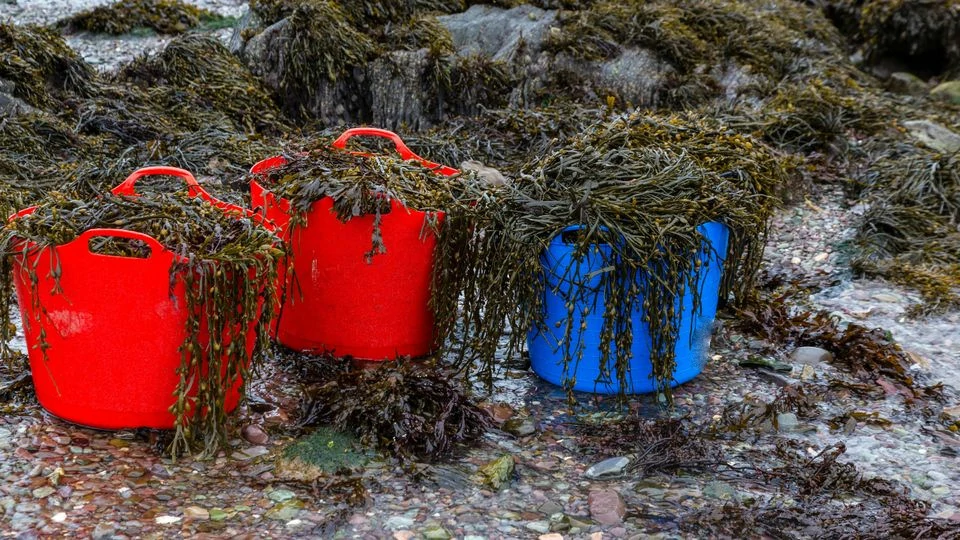
The most commonly used seaweed types include:
Brown seaweed (Ascophyllum nodosum)
Kelp (Laminaria)
Sargassum
Fresh or dried seaweed (moisture 15–20%)
Water
Optional additives:
Humic acid
Trace elements (Zn, B, Fe)
Microbial agents
The industrial production process typically includes the following steps:
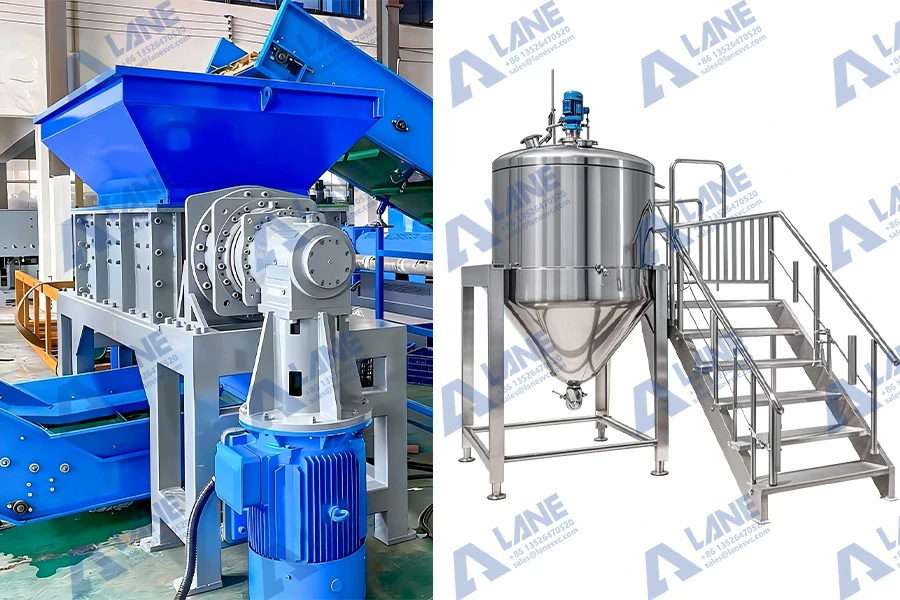
Seaweed is crushed into small particles (5–10 mm) to increase extraction efficiency.
Equipment:
Seaweed crusher / shredder
This is the most critical step in liquid seaweed fertilizer manufacturing.
Common extraction methods:
Alkaline hydrolysis (mainstream industrial method)
Enzymatic extraction
High-temperature water extraction
Recommended method: Alkaline Hydrolysis
Process parameters:
Temperature: 80–100°C
Reaction time: 2–4 hours
pH: 9–11
Solid-liquid ratio: 1:8 – 1:12
Equipment:
Stainless steel reactor (with heating & stirring)
Alkali dosing system
After extraction, residues must be removed.
Equipment:
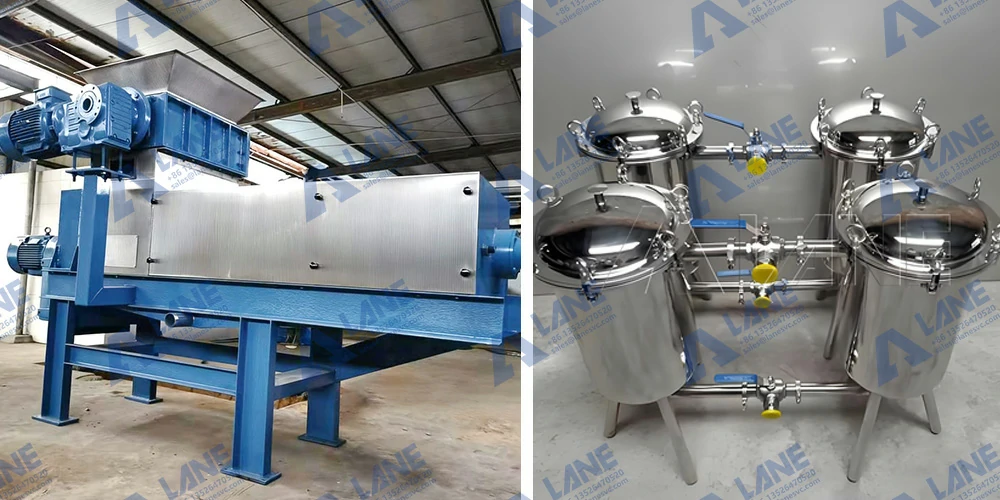
Screw press separator or filter press
Fine filtration ensures product clarity and quality.
Equipment:
Precision filter (100–200 mesh)
To increase nutrient concentration and reduce transportation cost.
Equipment:
Vacuum evaporator
Typical concentration level:
Solid content: 8% → 20–30%
Add nutrients and functional substances to enhance fertilizer effect.
Equipment:
Liquid fertilizer mixer tank
Ensures shelf stability and prevents microbial contamination.
Methods:
High-temperature sterilization
UV sterilization
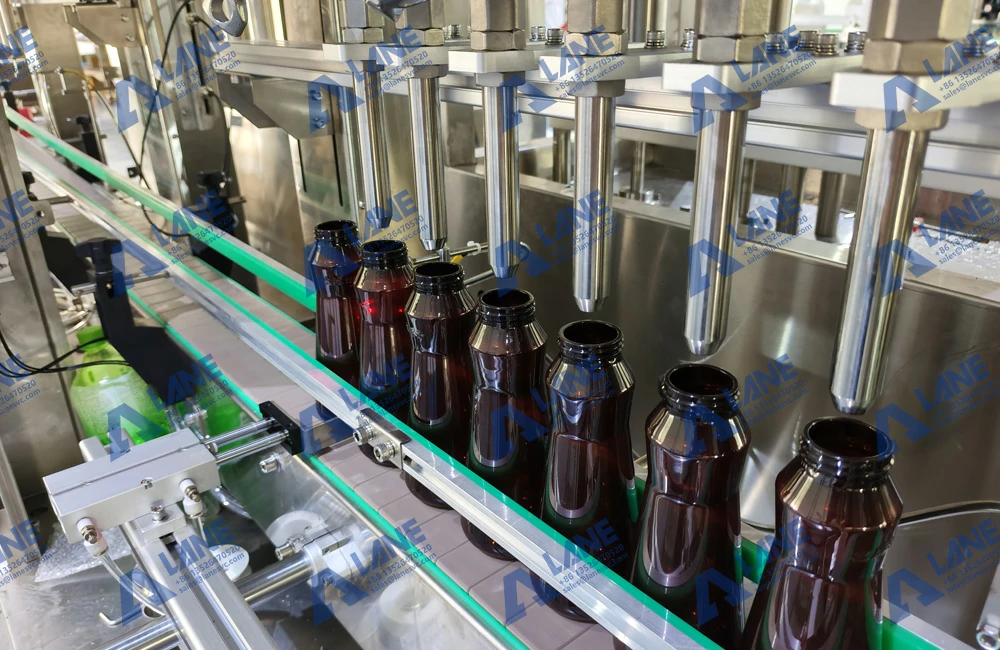
Final product is packed into bottles, drums, or IBC tanks.
Equipment:
Automatic liquid filling machine
Capping & labeling machine
In 2022, a client from Madagascar contacted LANE through our website with a unique challenge.
He was operating an aquaculture business and faced a growing issue: large volumes of algae waste generated every year, which not only increased disposal costs but also posed environmental concerns.
After extensive research, he discovered that these algae residues could produce liquid seaweed fertilizer, a high-value agricultural input. This insight inspired him to explore a new business opportunity.
However, he had no prior experience in fertilizer production, no technical team, and no clear idea how to turn this concept into a practical, profitable project.
While searching online for solutions, he found LANE and learned that we specialize in liquid seaweed fertilizer production line design and turnkey projects. He then reached out to us for support.
After several rounds of technical discussions, our engineering team quickly identified the key challenges:
High moisture content of raw algae
Unstable composition of organic material
Lack of standardized processing experience
Based on the client’s raw material characteristics and budget, LANE provided a customized liquid seaweed fertilizer production line, including:
Pre-treatment and crushing system for wet algae
High-efficiency extraction reactor system (alkaline hydrolysis process)
Solid-liquid separation equipment
Multi-stage filtration system
Liquid fertilizer blending and storage system
Semi-automatic filling and packaging system
We also delivered a complete process flow design, layout drawings, and technical parameter guidance.
The entire production line was completed within 45 days, including manufacturing, testing, and shipment.
After installation and commissioning:
Daily processing capacity reached 3–5 tons
Extraction efficiency exceeded 85%
Production cost reduced by over 30% compared to initial expectations
Waste algae successfully converted into high-value liquid fertilizer products
Today, the client not only solved his waste disposal problem but also established a new revenue stream, supplying liquid seaweed fertilizer to local farms and agricultural distributors.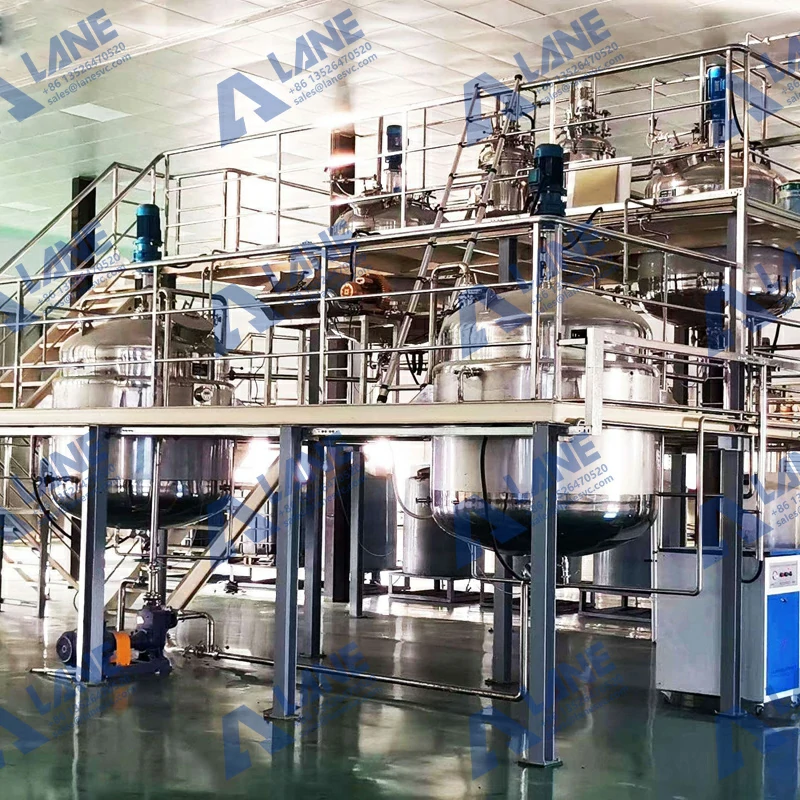
This project demonstrates that:
Algae waste can be transformed into profitable products
Even beginners can enter the fertilizer industry with the right partner
A well-designed liquid seaweed fertilizer production line ensures stable quality and high efficiency
If you have access to seaweed or organic biomass and want to explore fertilizer production, LANE can help you:
Design a customized production line
Provide complete equipment solutions
Support installation and operation
Contact us today to get your tailored liquid fertilizer production plan and quotation.