author: Zero Shen
from: LANE Machinery Groups
Bone meal is a natural organic material rich in phosphorus, calcium, and trace elements. It offers unique advantages for agricultural applications, and bone meal fertilizer equipment is capable of harnessing its rich nutritional value::
Rich Phosphorus Source: Essential for root development and flowering, especially beneficial for fruit trees, vegetables, and high-yield crops.
Slow-Release Nutrients: Phosphorus is released gradually, providing long-term nourishment and reducing nutrient runoff and environmental impact.
Soil Health Improvement: High calcium content adjusts soil pH, improves soil structure, and promotes microbial activity.
Compatibility with Other Fertilizers: Can be combined with nitrogen, potassium, and other inorganic nutrients to form organic-inorganic compound fertilizers, offering both fast-acting and long-lasting nutrition.
Sustainable and Eco-Friendly: Converts livestock by-products into valuable fertilizer, reducing environmental pollution and supporting circular agriculture.
Compared to chemical fertilizers, fertilizers containing bone meal offer greater environmental benefits and are more cost-effective to produce. As a result, many fertilizer manufacturers are planning to invest in bone meal fertilizer production lines to convert bone meal into market-ready products.
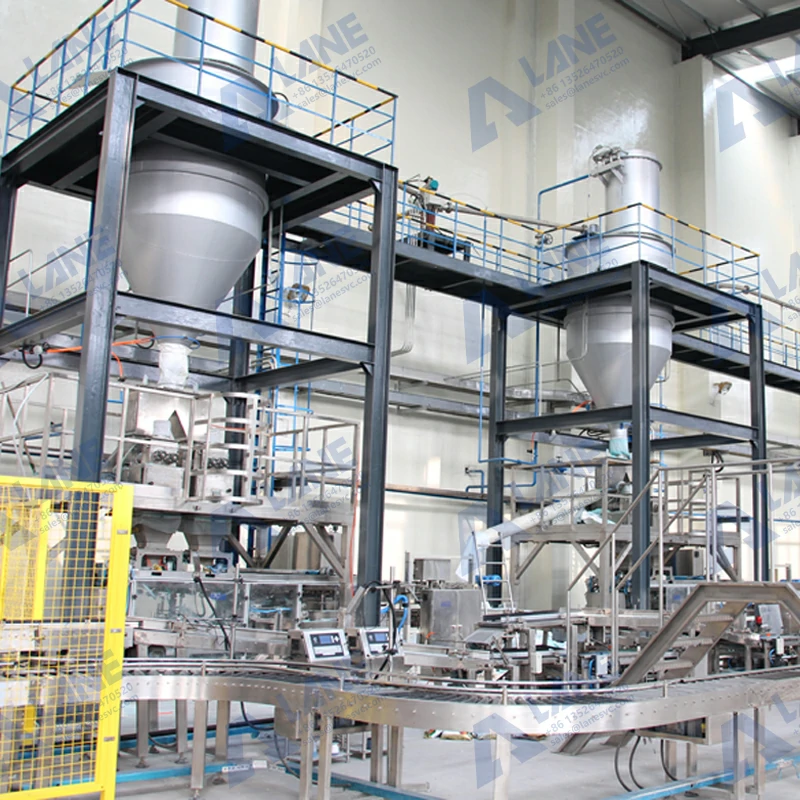
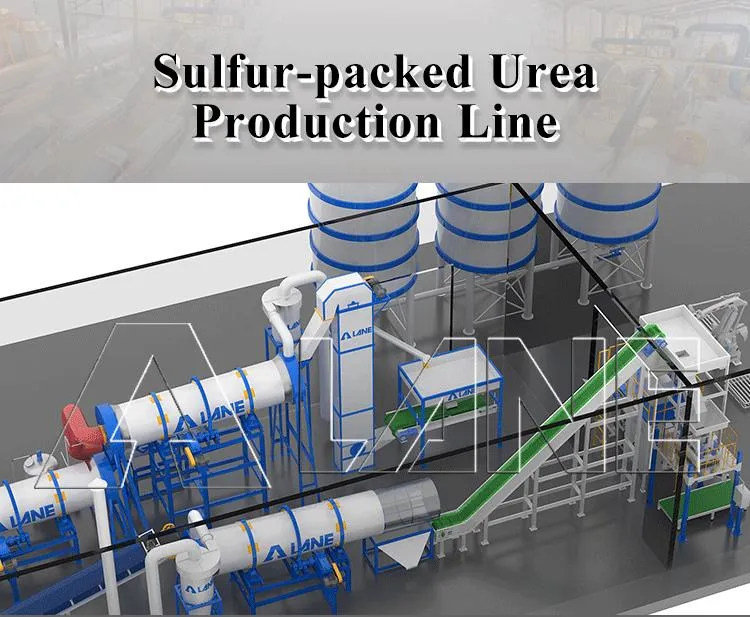
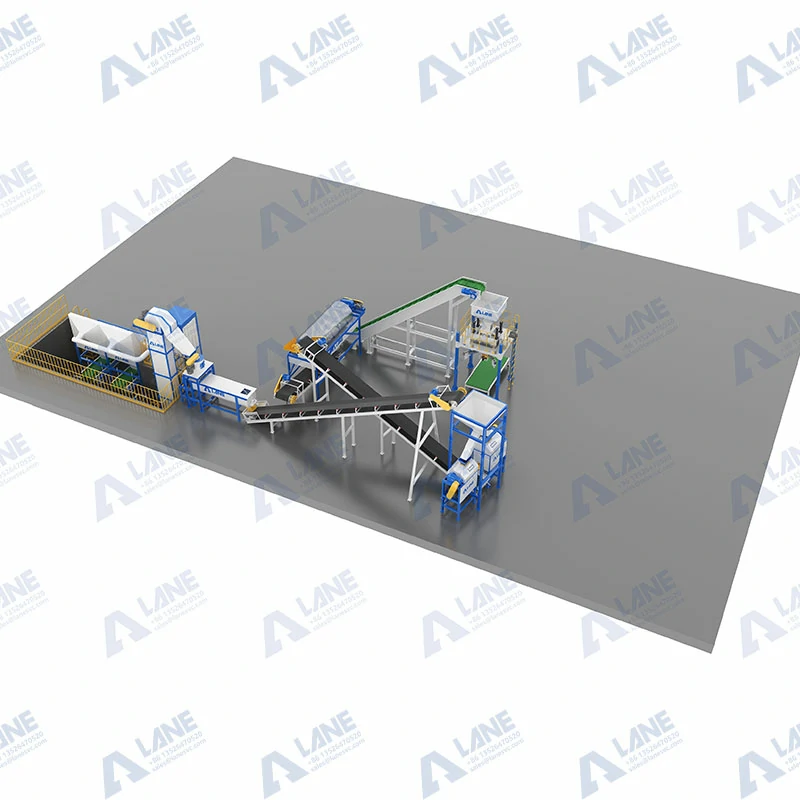
A complete bone meal fertilizer production line includes:
Raw Material Handling: Ready-to-use bone meal and inorganic components.
Mixing and Blending: Ensures uniform nutrient distribution.
Granulation: Converts powder into granules.
Drying and Cooling: Stabilizes granule moisture and improves hardness.
Screening: Separates oversized or undersized granules.
Packaging: Automatic packing for bulk or bagged sales.
Our standard production capacity is 3–5 TPH, with flexible customization to meet different farm or industrial needs.
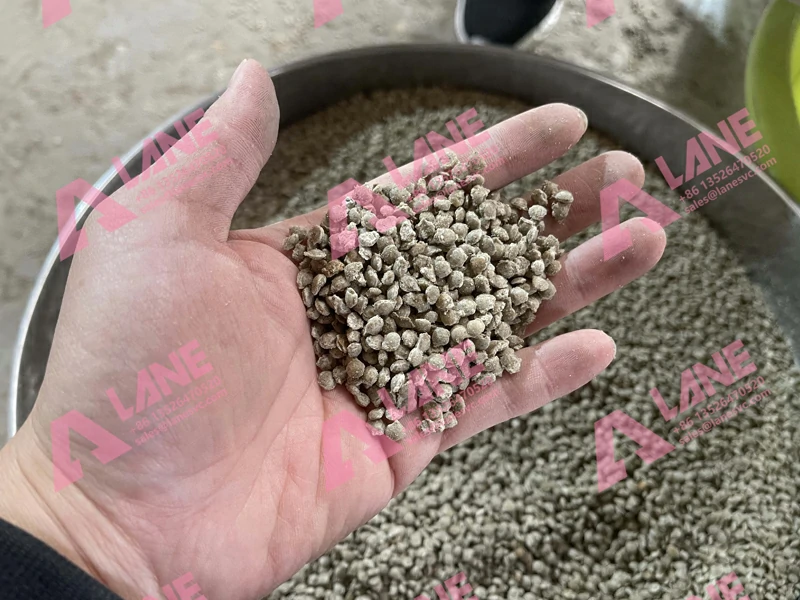
Granulation is the heart of the bone meal fertilizer production line. Choosing the right granulation method directly affects particle quality, production efficiency, and cost. Below is an in-depth comparison of four main granulation technologies for bone meal fertilizers.
Working Principle:
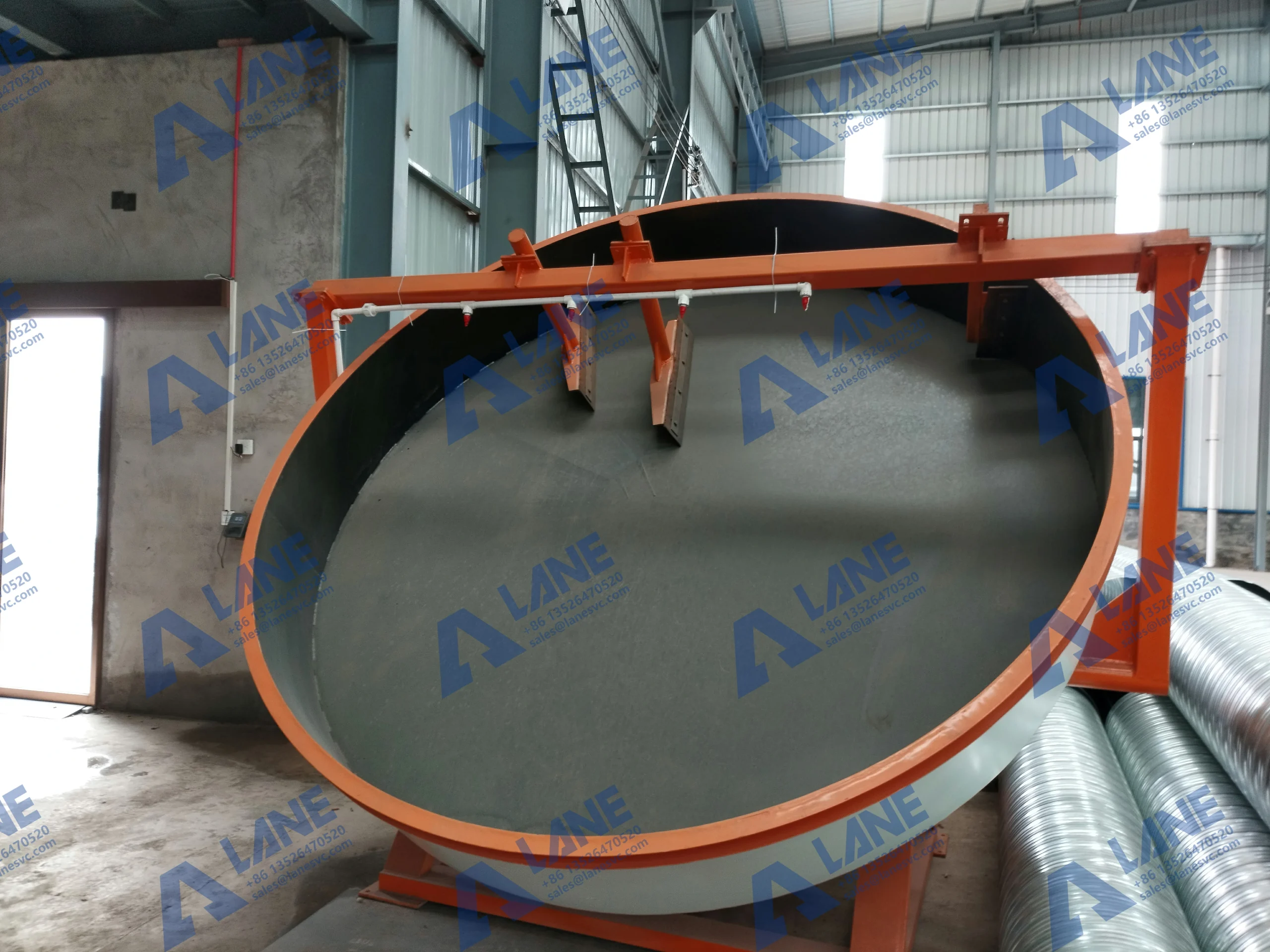
A circular disc granulator uses a rotating, slightly inclined disc. Powdered bone meal and inorganic nutrients are continuously fed into the disc, where centrifugal force, rolling motion, and a small amount of liquid binder cause the powder to agglomerate into spherical granules. The particle size can be adjusted by controlling the disc angle, rotation speed, and moisture content.
Key Features:
Simple design and low investment.
Manual or semi-automatic feeding.
Particle size generally ranges from 2–6 mm.
Suitable for both dry and wet granulation.
Advantages:
Low energy consumption.
Easy maintenance and operation.
Adjustable granule size for various applications.
Disadvantages:
Granulation rate relatively low (70–85%).
Dust generation requires return feeding system.
Limited capacity, usually suitable for 1–5 TPH.
Applications:
Ideal for small to medium-scale bone meal fertilizer plants or pilot projects.
Working Principle:
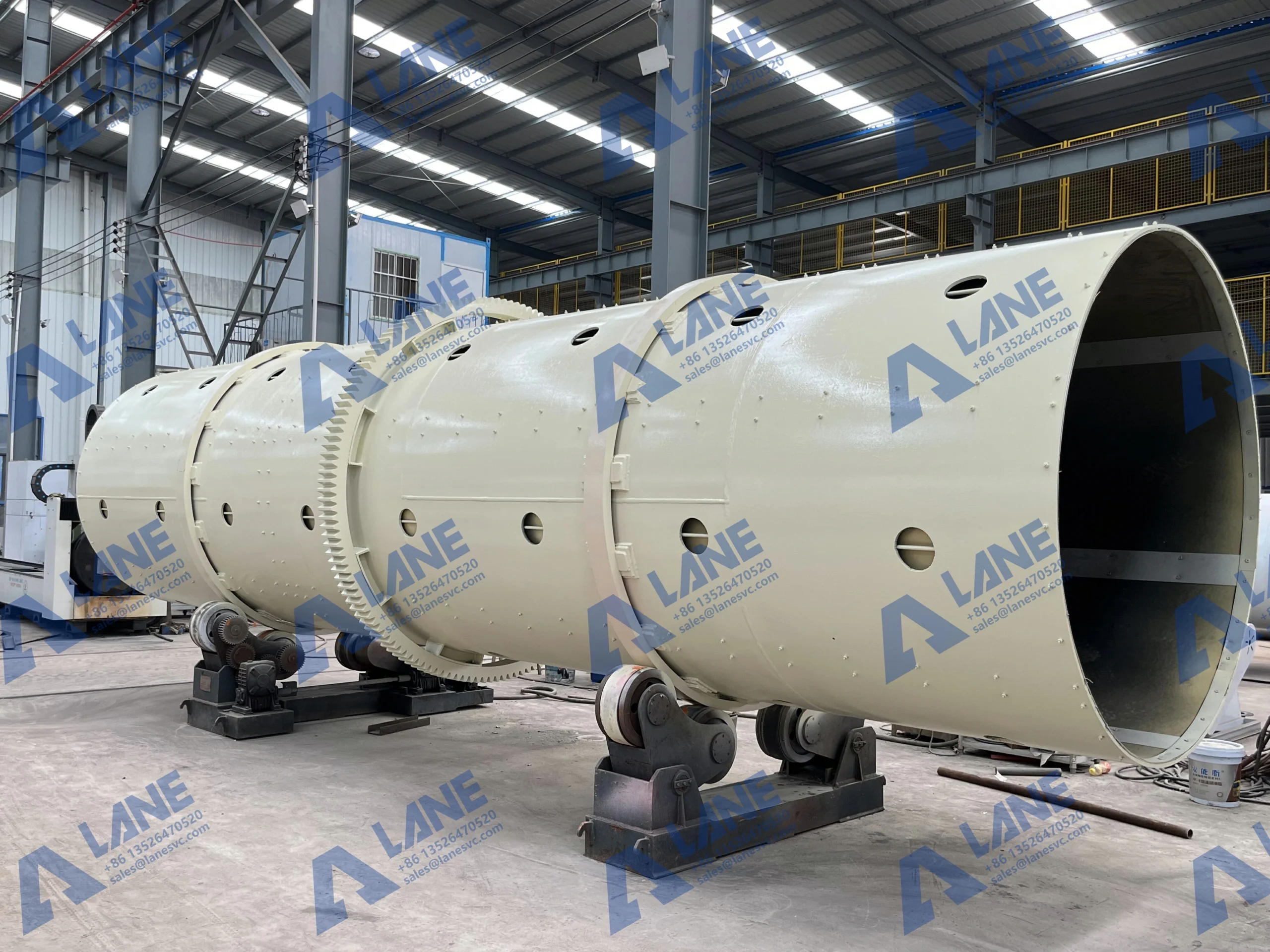
The rotary drum granulator consists of a long rotating drum inclined slightly. Raw materials, including bone meal powder, inorganic nutrients, and a liquid binder, are continuously fed into the drum. As the drum rotates, the materials tumble, collide, and agglomerate into granules. Heat from steam or hot water promotes adhesion and accelerates granule formation.
Key Features:
High-capacity continuous production.
Requires a drying system for high-moisture materials.
Granules are generally spherical and durable.
Advantages:
High granulation rate (85–95%).
Uniform and strong granules suitable for transportation and storage.
Large-scale production capacity (5–30 TPH).
Disadvantages:
Higher capital and operational costs.
Energy-intensive due to drying requirements.
Longer installation and commissioning period.
Applications:
Best for large industrial bone meal fertilizer plants requiring high output and consistent quality.
Working Principle:
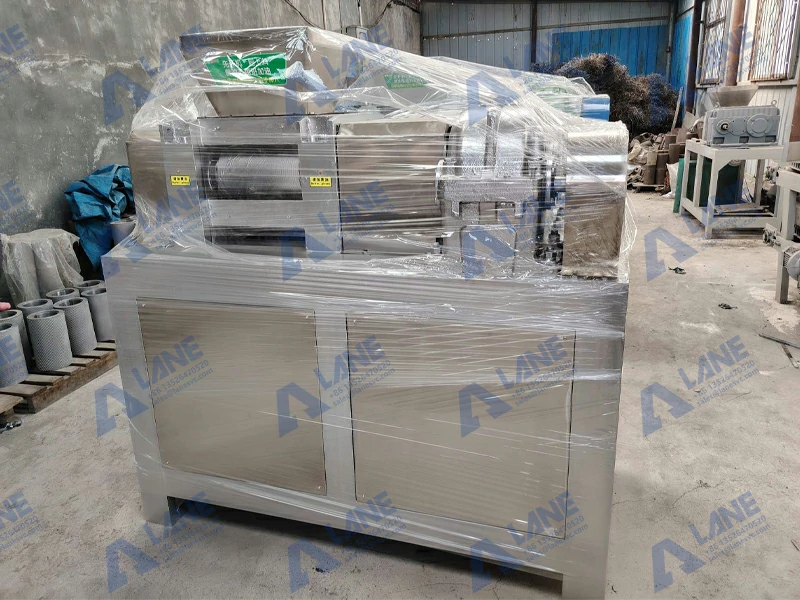
Roller compaction granulation is a dry granulation method. Powdered bone meal and inorganic fertilizers are compressed between two counter-rotating rollers under high pressure. The compressed sheets are then broken and screened into uniform granules. This process does not require drying, making it suitable for moisture-sensitive or heat-sensitive materials.
Key Features:
No drying needed; energy-saving.
High compression force ensures strong granule formation.
Can handle a wide range of raw material formulations.
Advantages:
Low energy consumption.
Environmentally friendly with minimal dust.
Suitable for moderate-scale production (3–5 TPH).
Disadvantages:
Particle shapes tend to be irregular (flat or blocky).
Requires precise formulation for optimal granule quality.
Applications:
Eco-friendly bone meal fertilizer production in areas with strict environmental regulations or mid-sized production needs.
Working Principle:
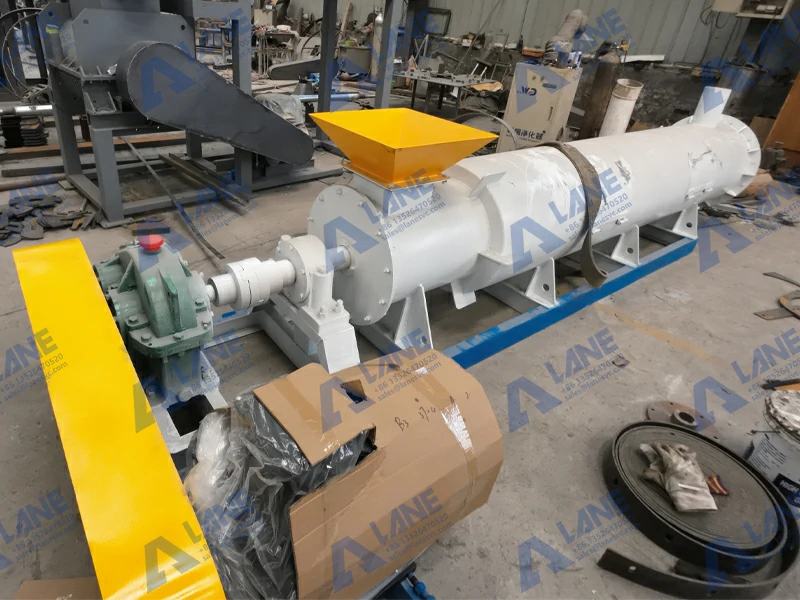
The stirring tooth granulator uses high-speed rotating paddles to lift and stir the powder mixture, generating mechanical and aerodynamic forces that cause the material to agglomerate. A small amount of moisture or binder facilitates granule formation. This method is especially suitable for high-organic-content fertilizers, including bone meal mixed with organic matter such as chicken manure or humic acid.
Key Features:
High granulation efficiency (≥90%).
Produces uniform, strong granules.
Suitable for wet granulation of organic-rich powders.
Advantages:
Excellent granule uniformity and strength.
High efficiency with high-organic formulations.
Can handle sticky or high-moisture raw materials.
Disadvantages:
Equipment wear is higher due to moving parts.
Requires skilled operators to maintain optimal granulation.
Applications:
High-organic bone meal fertilizer production, particularly in compound fertilizers with high organic ratios.
After granulation, particles typically contain 15–20% moisture. The rotary dryer reduces moisture to safe storage levels, while the cooling machine stabilizes particle hardness. A vibrating screen removes undersized or oversized granules, ensuring consistent product quality.
Final granules are conveyed to automatic packaging machines, ready for bulk shipment or bagging. The system ensures accurate weighing, efficient packing, and minimal manual labor.
Our standard bone meal fertilizer production line is designed for 3–5 TPH, with flexible options for larger or smaller capacities. Equipment layout, granulation method, and automation levels can be tailored to meet specific project requirements.
Turnkey Engineering: Complete production line design, installation, and commissioning.
Raw Material Formula Testing: Optimize bone meal and inorganic combinations for maximum nutrient efficiency.
Overseas Installation: Experienced teams provide installation guidance worldwide.
Free Pilot Trials: Lab and small-scale tests ensure production success.
Proven Projects: Numerous successful installations across countries.
Certified Quality: CE, ISO, and SGS certifications guarantee reliable equipment and processes.
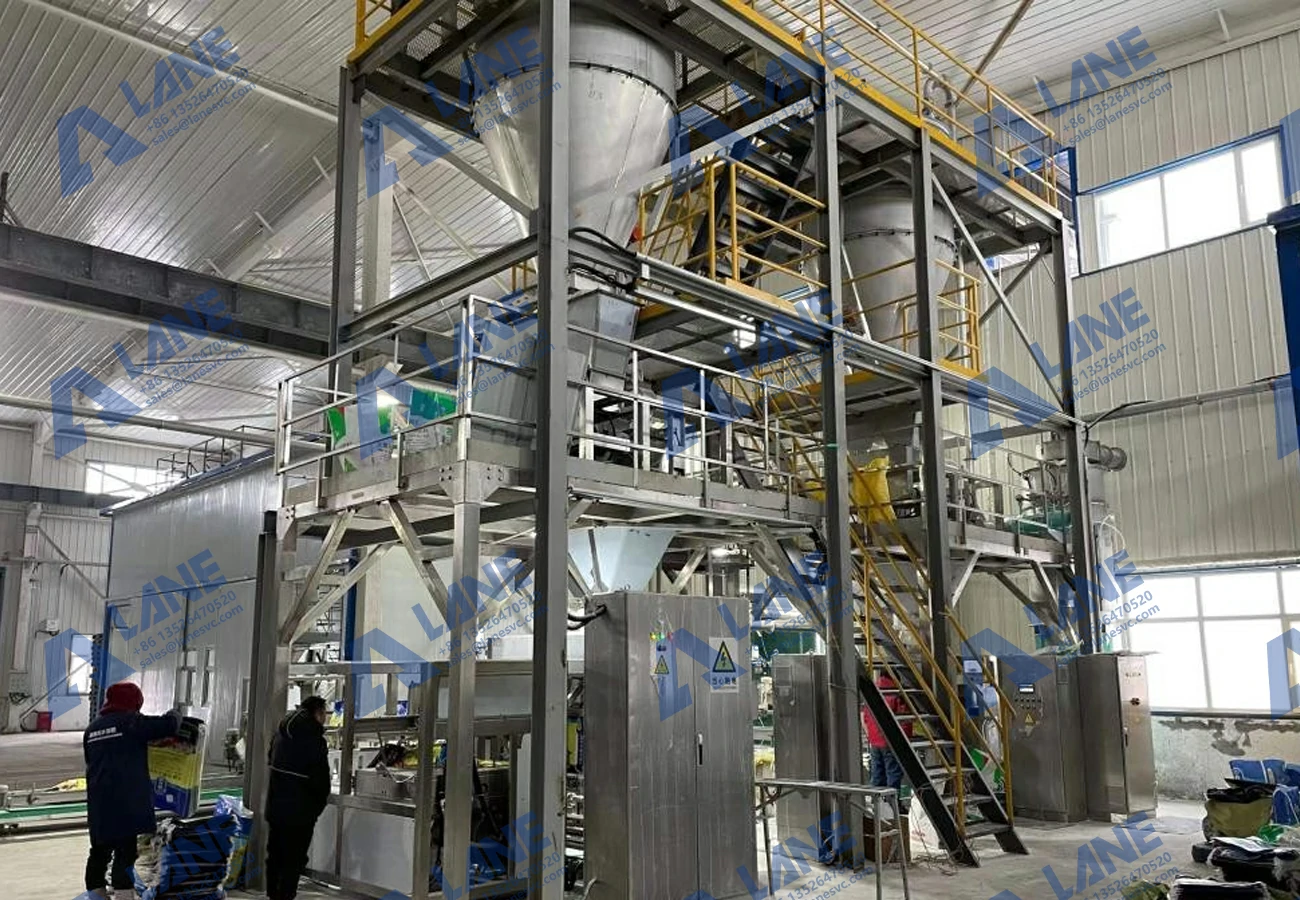
Using bone meal as the primary raw material for organic-inorganic compound fertilizer offers sustainable, high-efficiency, and soil-friendly solutions for modern agriculture. With LANE professional bone meal fertilizer production equipment, you can transform raw bone meal into high-quality granules efficiently, cost-effectively, and sustainably. Whether you choose disc, drum, roller, or stirring tooth granulation, our turnkey solutions help you achieve optimal production outcomes with minimal risk.