In industries such as building materials, agriculture, and filtration, demand for lightweight, insulating materials with good breathability continues to rise.
Due to its low density, high porosity, and excellent thermal stability, perlite is widely used in building insulation, soil amendment, and industrial filtration media.
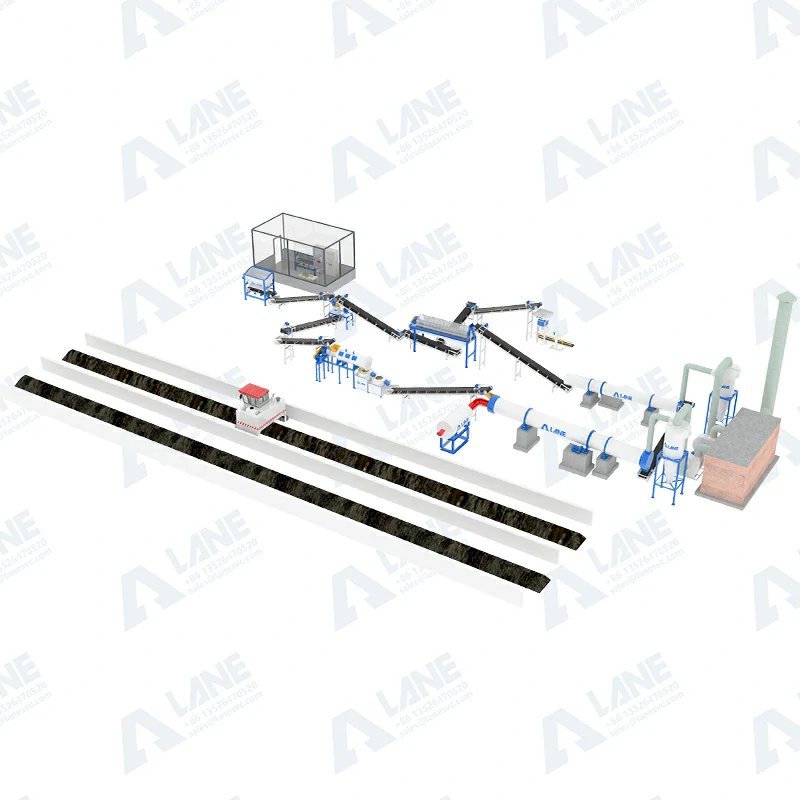
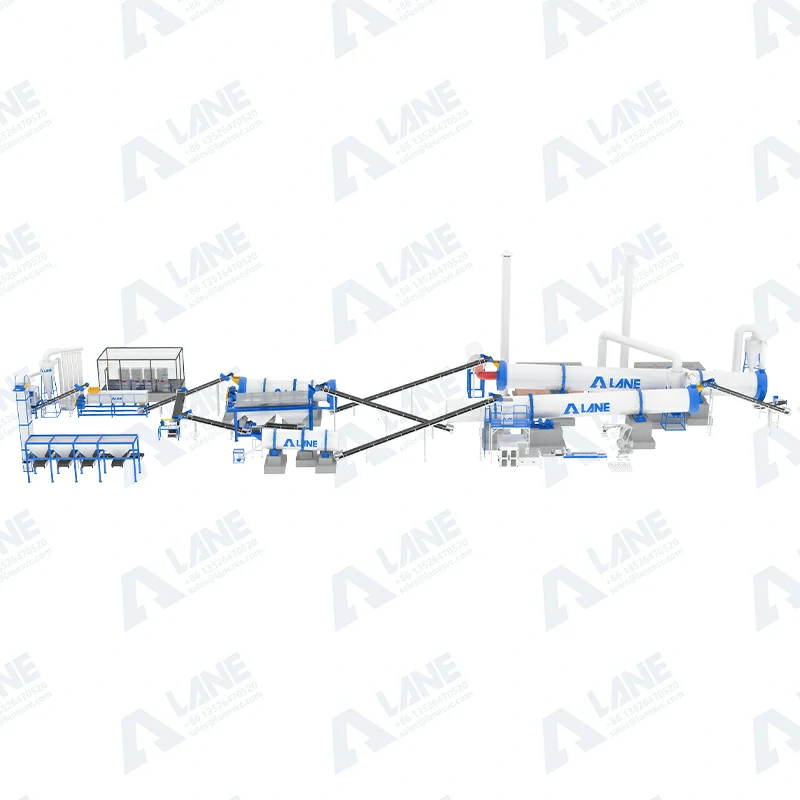
How is this commercially valuable perlite manufactured? Lane will provide a detailed explanation of the process flow and key equipment functions for a complete perlite expansion production line.
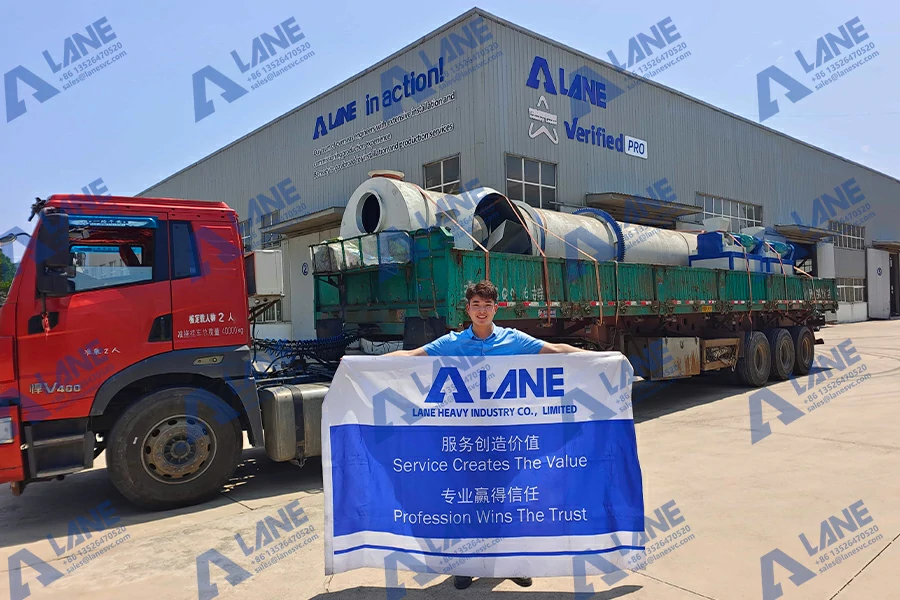
In 2023, a client from Mexico contacted us regarding perlite expansion equipment. He operates a perlite plant that primarily produces building insulation boards.
As market orders have grown, the capacity of the plant’s traditional expansion furnace has become insufficient to meet demand. He plans to upgrade the perlite expansion production line, targeting an annual capacity of 50,000 tons per year, with a daily output of approximately 150–200 tons.
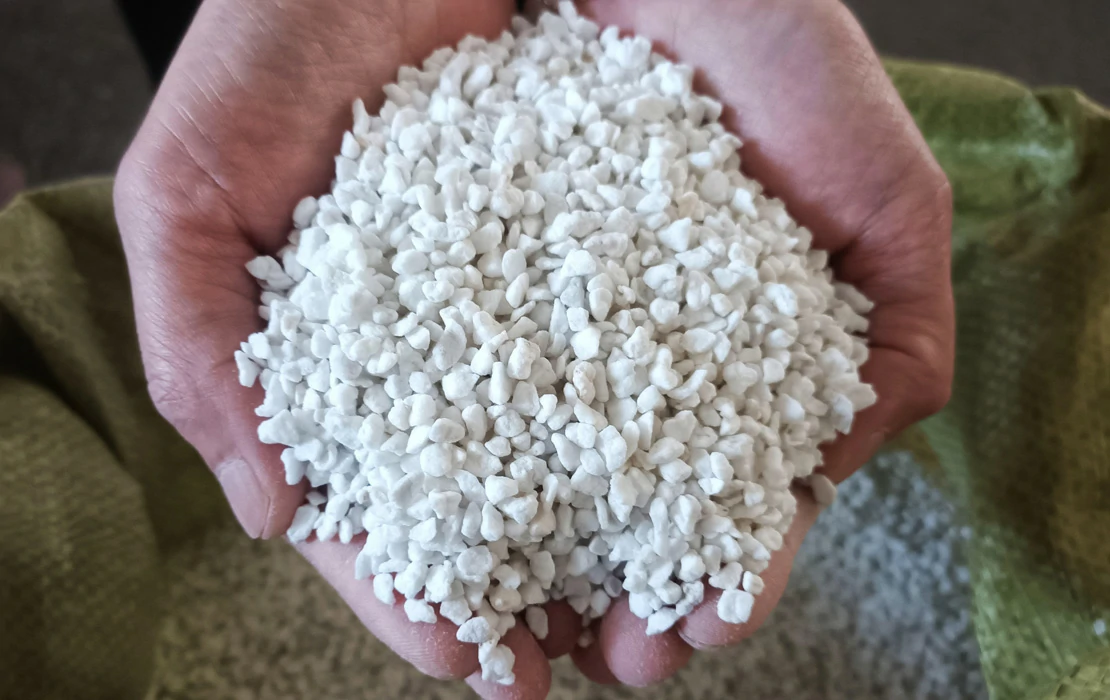
A complete perlite expansion production line generally consists of the following steps:
The raw perlite ore is transported from storage to the crushing system via:
Belt Conveyor
Feeding Hopper
These components ensure stable and continuous feeding, preventing blockage and improving overall efficiency.
Large perlite rocks (up to 300 mm) must be reduced before entering the furnace.
Primary Crusher: Jaw Crusher
Secondary Crusher: Hammer Crusher (optional)
Key Parameters:
Output size: 20–50 mm
Capacity: 10–30 t/h per unit
Crushing efficiency: > 85%
Uniform particle size is critical, as oversized materials will not expand properly, while undersized materials may over-burn.
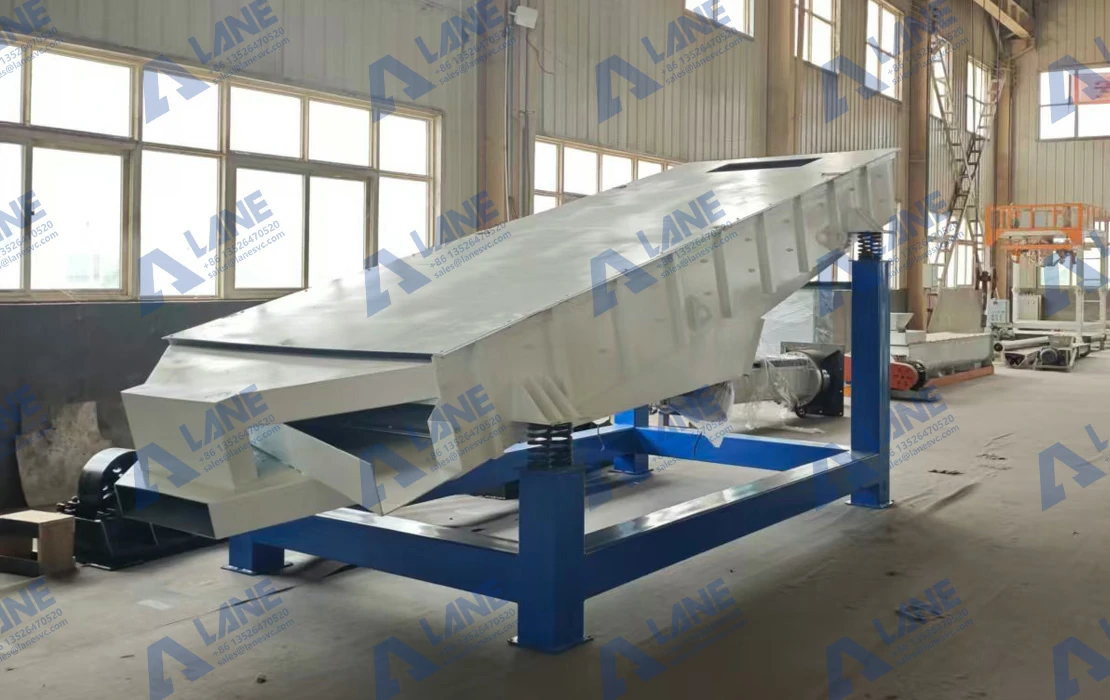
Vibrating Screener separates qualified particles
Oversized materials are returned for re-crushing
In advanced systems, a preheating unit may be added:
Preheating temperature: 200–400°C
Reduces fuel consumption in the main furnace by 10–15%
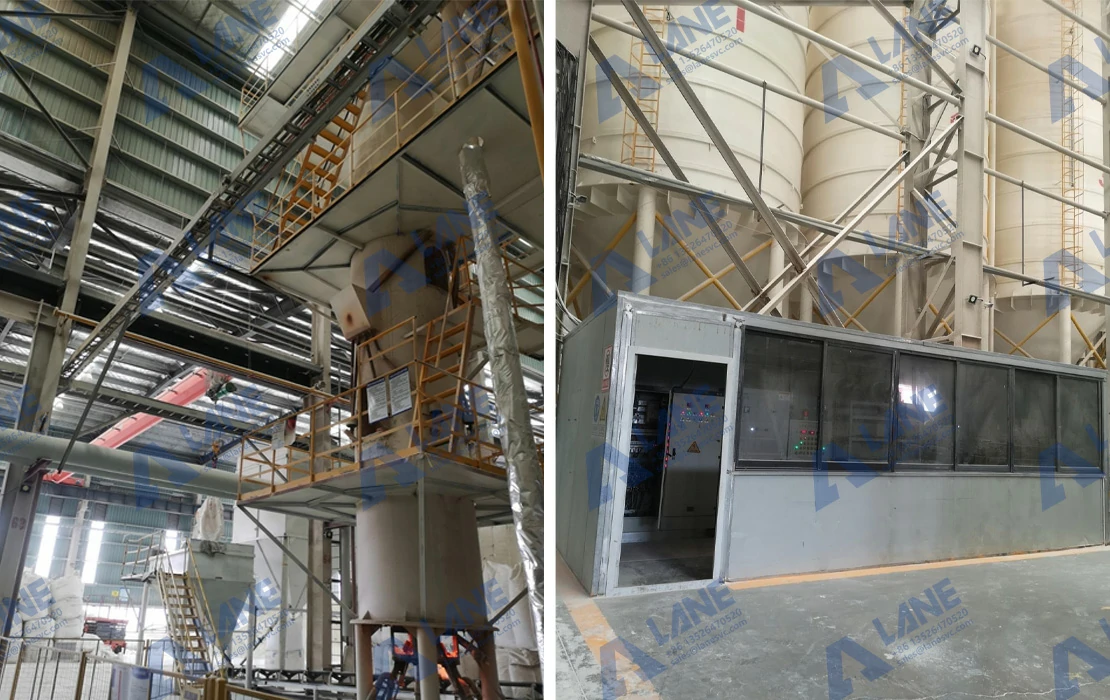
The expansion furnace is the most critical component in the Perlite Expansion Production Line.
Structure includes:
High-temperature resistant steel shell
Refractory lining (Al₂O₃ ≥ 65%)
Burner system (gas/diesel compatible)
Temperature sensors and PLC control
Rotation drive system
Operating Parameters:
Temperature: 900–1100°C
Retention time: 20–40 seconds (flash expansion type) or longer depending on design
Expansion ratio: 7–15 times
Bulk density after expansion: 70–150 kg/m³
Key Advantage:
Precise temperature control (±10°C) ensures:
Uniform expansion
Low breakage rate (<5%)
Stable product quality
After expansion, perlite must be cooled quickly:
Air Cooling System
Cyclone Dust Collector (optional)
Benefits:
Reduces product temperature to below 80°C
Prevents agglomeration
Improves handling safety
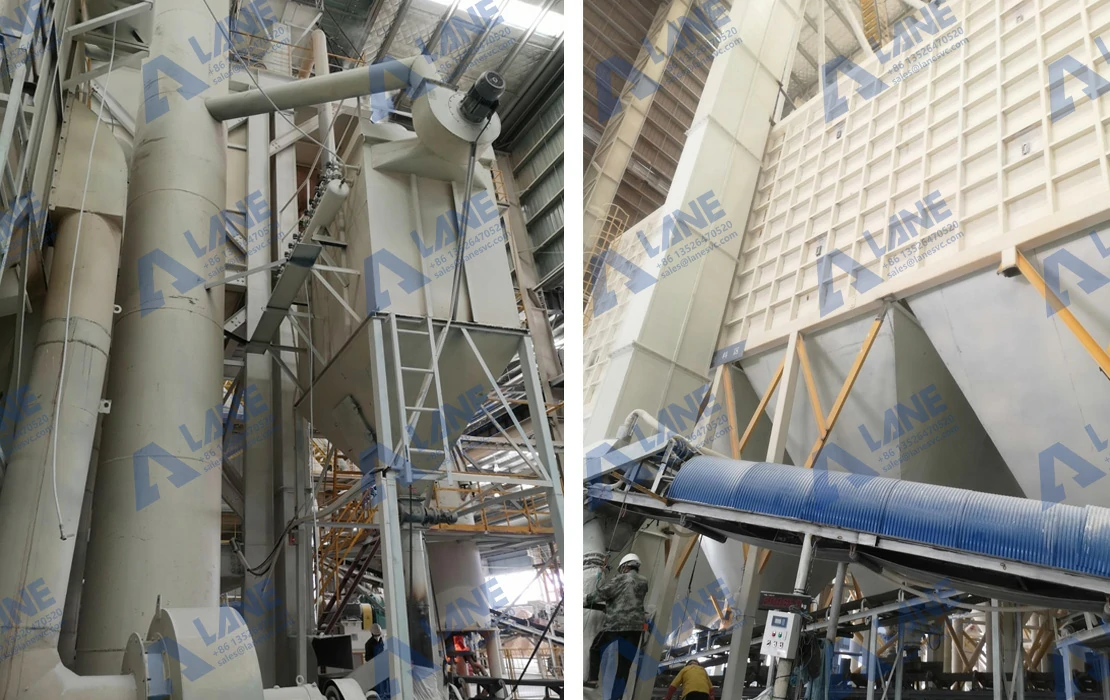
Perlite production generates fine dust, especially during expansion and screening.
Equipment: Pulse Jet Bag Filter
Dust removal efficiency: ≥99%
Emission concentration: < 30 mg/m³
This ensures compliance with international environmental standards.
Expanded perlite is classified into different sizes:
Fine grade (0.5–1 mm) – horticulture
Medium grade (1–3 mm) – insulation boards
Coarse grade (3–5 mm) – filtration
Automatic Packing Machine
Packing range: 20–50 kg/bag
Accuracy: ±0.5%
Capacity: 200–400 bags/hour
A complete Perlite Expansion Production Line is more than just a collection of machines—it integrates process optimization, heat efficiency, and automation to achieve high capacity, low cost, and consistent product quality.
The entire Perlite Expansion Production Line was completed within:
Design phase: 2 weeks
Manufacturing: 30–40 days
Installation & commissioning: 15 days
Full plant layout design
Equipment manufacturing
On-site installation guidance
Operator training
Lifetime technical support
Turnkey Solution Provider
From raw material testing to final commissioning, LANE offers complete project support.
Advanced Furnace Technology
High-efficiency combustion system ensures stable expansion and reduced fuel consumption.
Custom Engineering Capability
Flexible configurations for:
Capacity: 10–300 TPD
Fuel types: Gas, diesel, coal
Automation levels
Proven Global Projects
Successful installations across Asia, Africa, and Latin America.