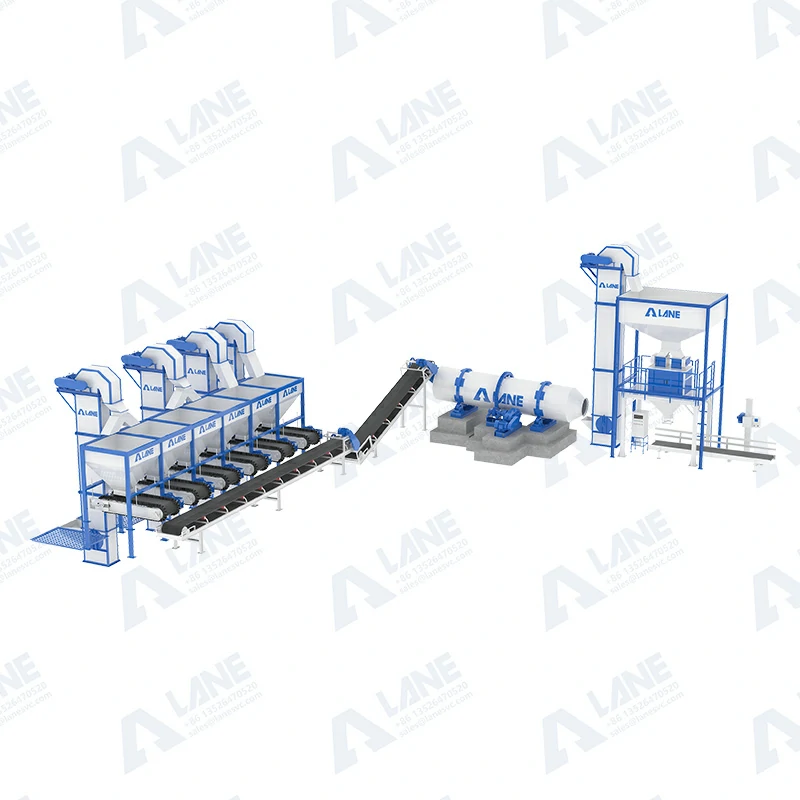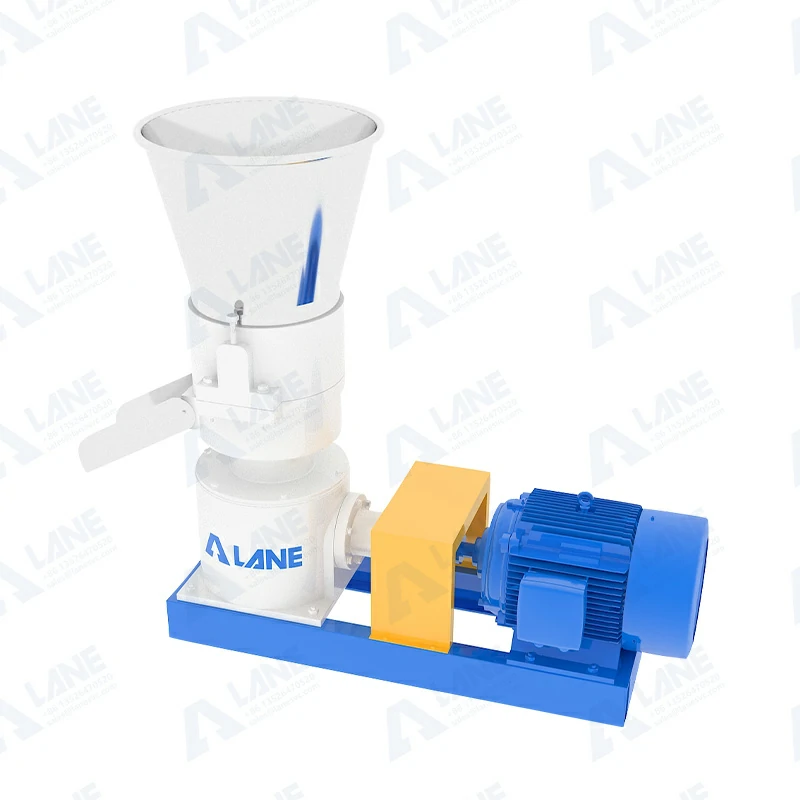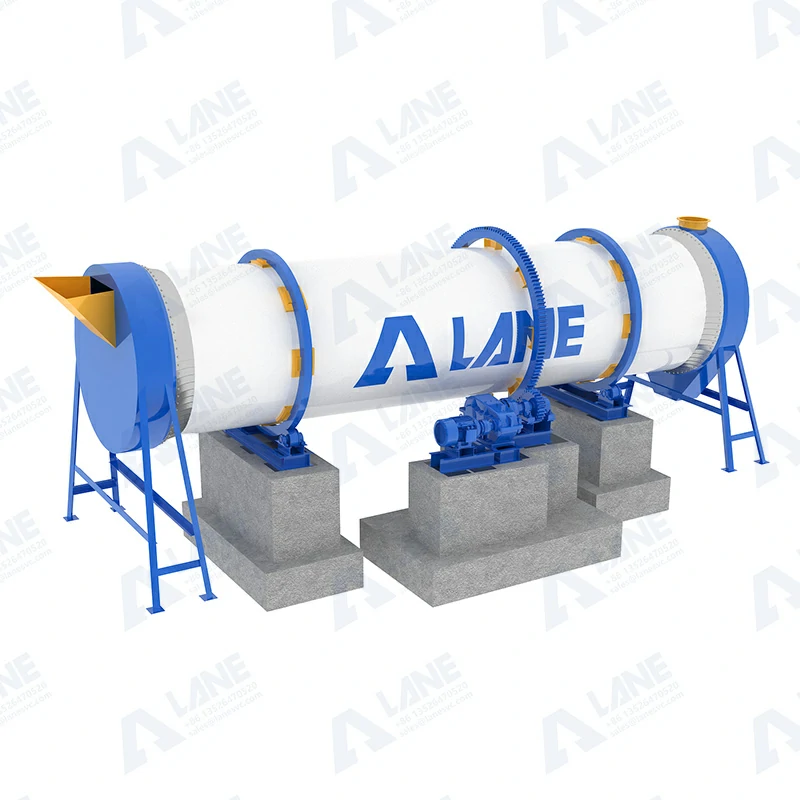
Six months ago, our factory was close to a breaking point.
As an agricultural company with substantial limestone resources, we have been producing lime fertilizer as our core product for many years. However, as the plant ages, equipment has not been adequately maintained, dust has become pervasive, and input costs have been climbing monthly.
We recognize that continuing this way will only worsen the situation. A systematic upgrade of the lime fertilizer production line is necessary, but we don’t know how to begin—we urgently need assistance from an experienced engineering team.
For this reason, I began frequently searching online for information related to lime fertilizer equipment.
One evening, after another production shutdown, I started researching modern lime processing systems online. I wasn’t looking for a supplier yet. I was trying to understand whether our problems were normal — or signs that our entire lime fertilizer production line was outdated.
I have no interest in suppliers who tout their products’ low prices. This stems from my personal experience as a company’s purchasing manager, where I’ve repeatedly regretted buying substandard equipment.
After reviewing multiple fertilizer machinery supplier websites, I stumbled upon LANE Machinery Group‘s content—they possess extensive design expertise in compound fertilizer production lines.
Their blog articles share detailed technical insights on fertilizer production lines. Particularly noteworthy is their analysis of lime processing challenges, including dust control, modular design, and turnkey solutions—exactly the issues we need to address.
I sent a message expecting a slow or generic reply.
Instead, I received a technical response the next morning.
Not a sales pitch. A real engineering conversation.
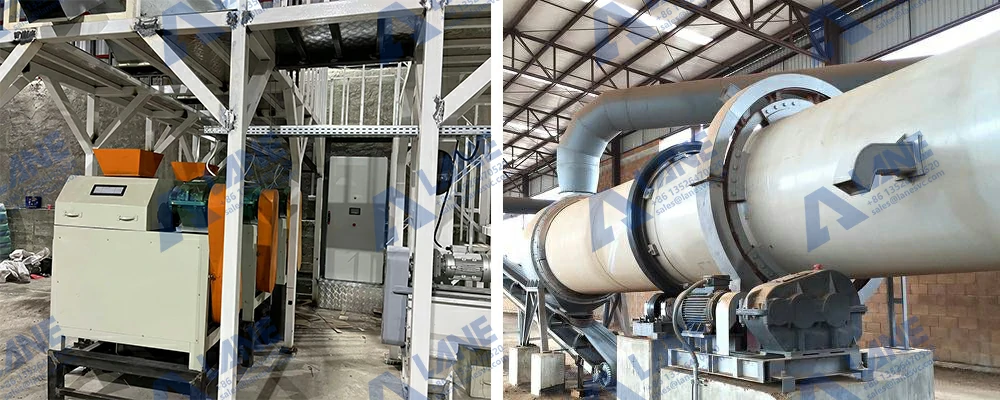
Prior to this, I had posed the same question to other fertilizer machine suppliers. Upon receiving their responses, they invariably sent over a large number of product catalogs and quotations, and inquired about my budget.
LANE approached the discussion differently.
They asked about:
They weren’t trying to sell a machine. They were trying to understand our lime fertilizer production line as a system.
That level of attention made us interested — but also cautious.
A full upgrade meant serious investment. If the design failed, we would be stuck with expensive equipment and no improvement.
We needed proof that the solution would work.
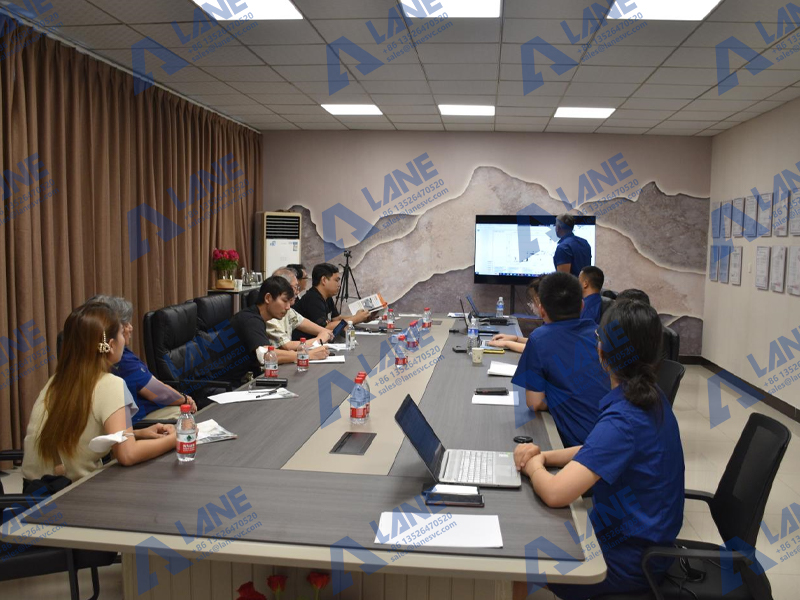
After reviewing our workshop drawings and production data, LANE’s engineers identified the key issue affecting production efficiency:
The inefficiency in our plant stems not from outdated equipment, but from its design, which rigidly links all equipment together. Should any intermediate step encounter problems, the entire lime fertilizer production line grinds to a halt.
They redesigned the entire process:
Some of these solutions addressed problems we didn’t even realize were solvable.
For the first time, we saw a blueprint of a factory that worked as a complete system instead of isolated equipment.
Even with a strong technical plan, we hesitated.
Upgrading a lime fertilizer production line is not a small expense. We worried about cash flow, downtime, and return on investment.
LANE didn’t pressure us into immediate purchase. Instead, they broke the project into stages:
Core system upgrade first
Optional automation modules later
Expandable layout for future growth
This staged investment approach changed everything. We could rebuild our production line without risking the company’s financial stability.
It felt like a partnership, not a transaction.
That’s when we decided to move forward.
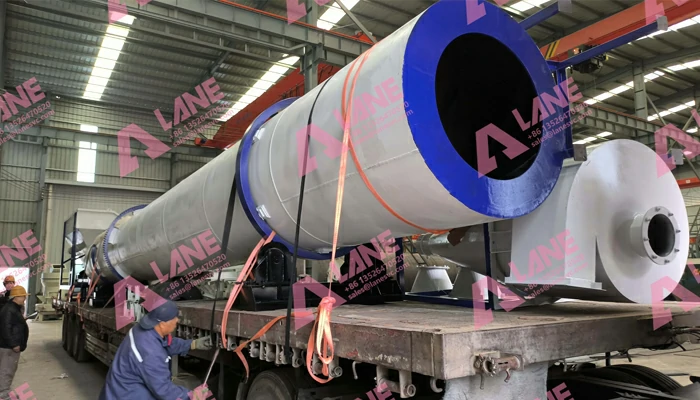
Factory upgrades always disrupt operations. We expected chaos.
Instead, the installation was methodical. The new lime fertilizer production line was assembled in phases, allowing partial production to continue. Their engineers worked closely with our operators, explaining not just what to do — but why.
That knowledge transfer mattered.
We weren’t just buying equipment. We were learning how to run a modern lime processing system.
The first continuous run was tense.
Every factory owner understands that commissioning reveals the truth. Either the system works — or months of planning collapse.
After adjustments to airflow, grinding calibration, and material feeding, the lime fertilizer production line ran for 48 hours without shutdown.
We had never seen our workshop operate that smoothly.
That moment erased months of doubt.
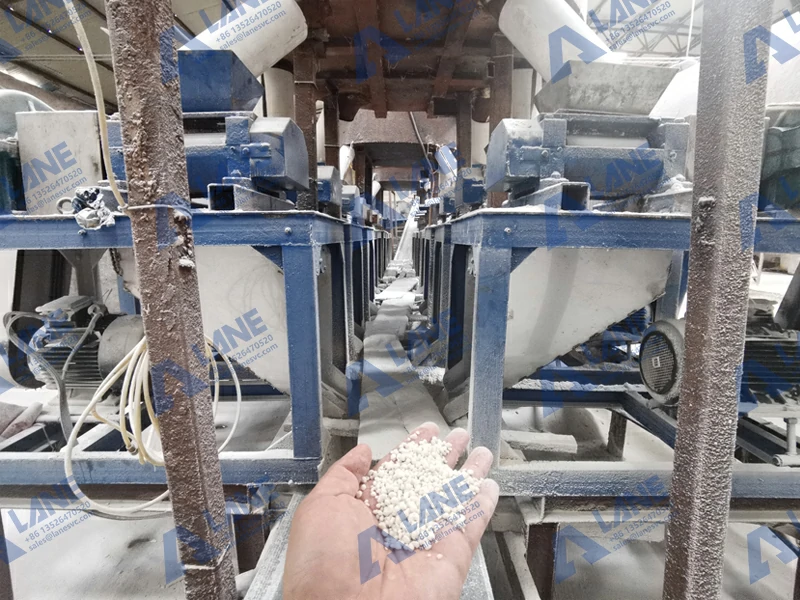
Half a year after installation, the transformation is measurable:
Stable 12–13 tons/hour production
Cleaner air and safer working conditions
Lower maintenance costs
Consistent product quality
Flexible multi-material production
Expanded market opportunities
But the biggest change is psychological.
We are no longer fighting our factory every day.
The new lime fertilizer production line gave us operational confidence.
We now plan expansion instead of emergency repairs.
Before this project, we thought upgrading meant replacing broken machines.
LANE showed us that real progress comes from system-level engineering.
A proper lime fertilizer production line is not about individual equipment. It’s about designing how materials move, how dust is controlled, how operators interact with the system, and how the plant grows over time.
They solved technical problems, respected financial realities, and treated our factory like a long-term partnership.
That combination is rare.
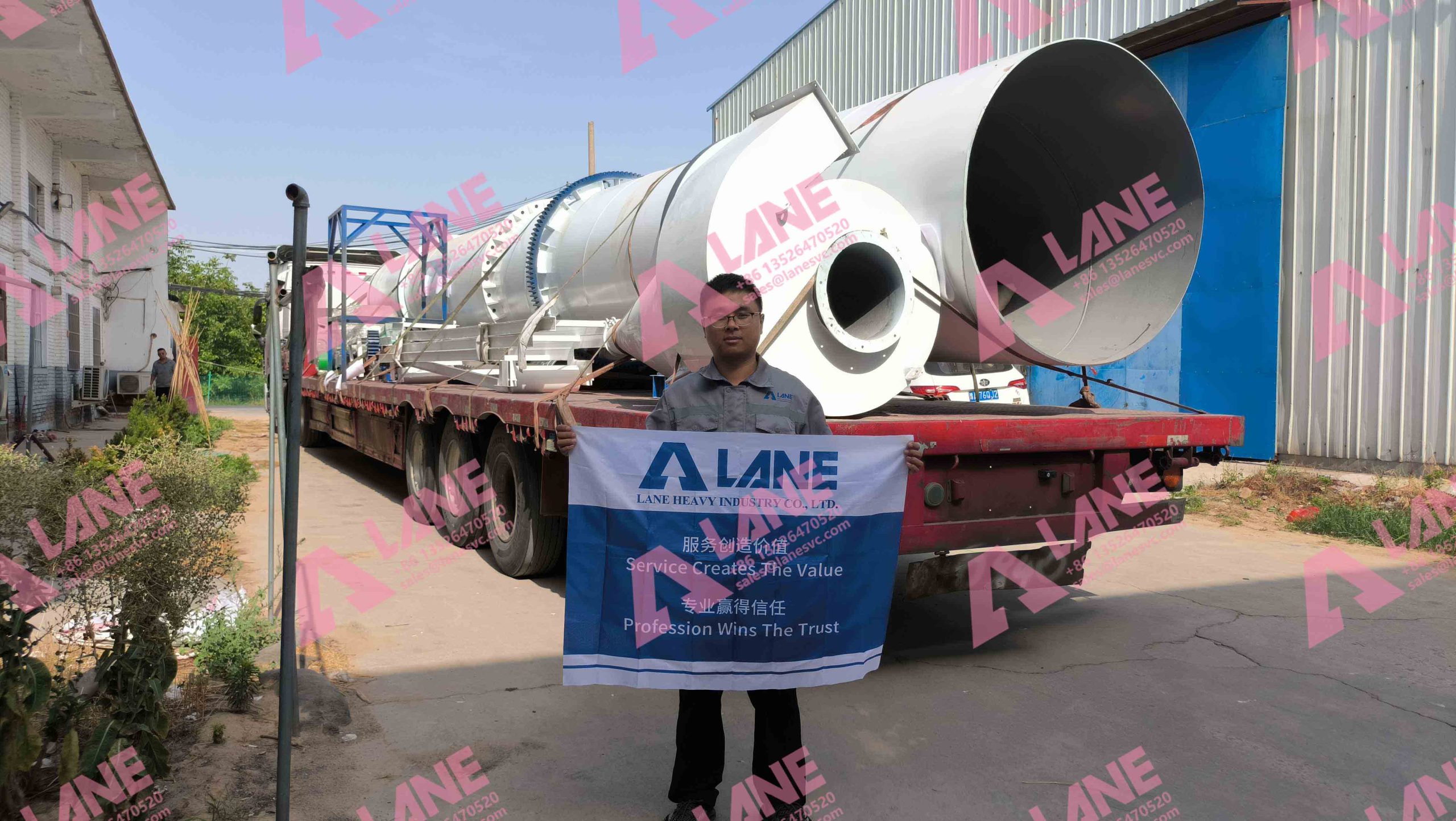
If another fertilizer producer asked for advice, I would say this:
Don’t wait until your factory forces you to upgrade.
And don’t buy isolated machines hoping they will fix structural problems.
Invest in a real lime fertilizer production line designed as a system.
For us, finding LANE online was accidental.
Working with them was deliberate.
And rebuilding our production line changed the trajectory of our business.