Ammonium sulfate fertilizer is one of the most widely used nitrogen fertilizers in modern agriculture. Containing approximately 20.5% nitrogen and a significant amount of sulfur, it is suitable for crops that require both nutrients and is especially effective in alkaline soils. With the continuous growth of global fertilizer demand, an efficient ammonium sulfate fertilizer production line has become an essential investment for fertilizer manufacturers seeking stable product quality and lower operating costs.
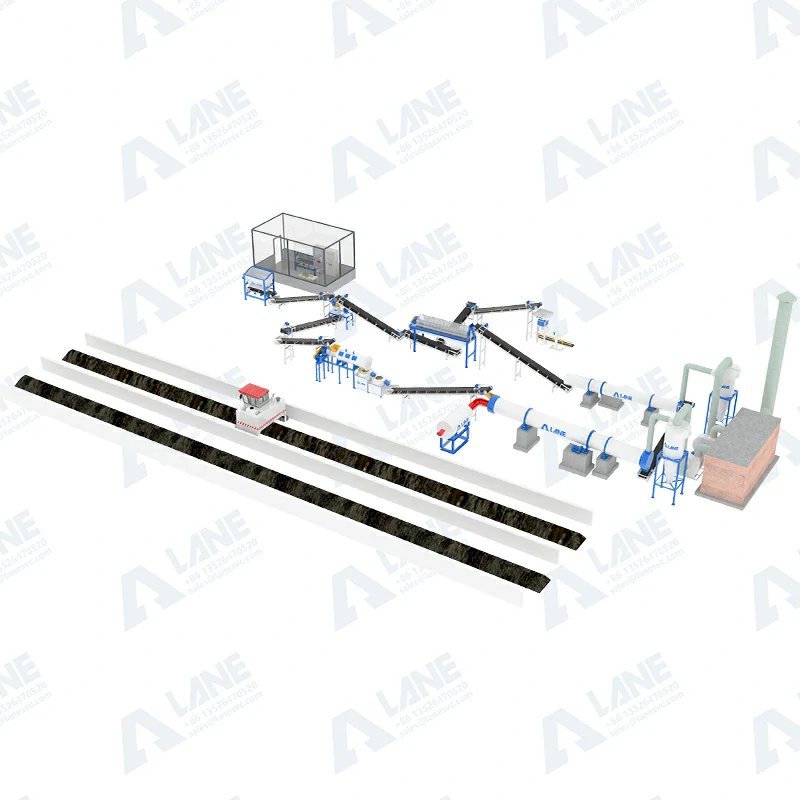
A complete ammonium sulfate fertilizer production line integrates chemical reaction, concentration, granulation, drying, cooling, screening, and environmental treatment systems into a continuous process. Modern production plants not only focus on maximizing output and reducing energy consumption but also emphasize environmental protection, automation, and product consistency.
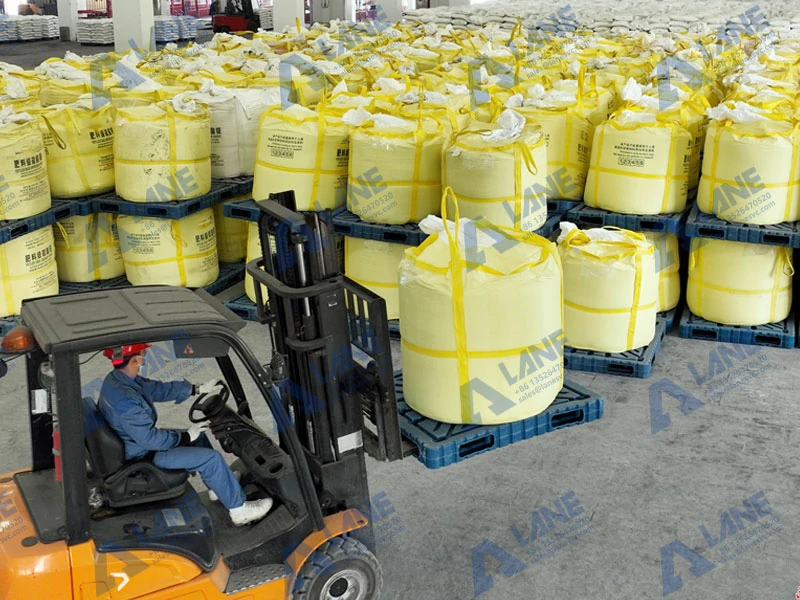
The production of ammonium sulfate fertilizer mainly relies on ammonia and sulfuric acid as the core raw materials. Depending on local industrial resources and plant configurations, manufacturers may use liquid ammonia, ammonia water, industrial sulfuric acid, or sulfur-containing by-products recovered from other industries.
Liquid ammonia or ammonia water provides the nitrogen source for the reaction. In many chemical complexes, ammonia is supplied directly from synthetic ammonia plants, while some manufacturers recover ammonia from industrial gases such as coke oven gas. Sulfuric acid, generally with a concentration of 93%–98%, serves as the sulfur source and can be purchased directly or obtained from industrial waste acid streams, including titanium dioxide production.
Process water is added to regulate reaction conditions and solution concentration. Certain production technologies may also employ additives or catalysts to optimize crystal formation and improve fertilizer quality.
As environmental regulations become stricter, many ammonium sulfate fertilizer manufacturing plants are increasingly integrating waste resource recovery technologies, transforming industrial by-products into valuable fertilizer products while reducing production costs.
The core chemical reaction behind ammonium sulfate production is the neutralization of sulfuric acid by ammonia:
2NH₃ + H₂SO₄ → (NH₄)₂SO₄
This reaction is highly exothermic and requires precise control of temperature and acidity to ensure stable production and high product purity. Industrial production generally maintains the pH value between 4.5 and 5.5 while controlling the reaction temperature within an appropriate range.
The heat generated during neutralization is removed through circulation cooling systems or heat exchangers. Proper heat management prevents product decomposition, minimizes by-product formation, and improves downstream crystallization efficiency.
Compared with many other nitrogen fertilizer manufacturing processes, ammonium sulfate fertilizer production line offers relatively simple reaction chemistry, mature technology, and lower investment costs, making it suitable for both large-scale fertilizer complexes and medium-sized chemical fertilizer plants.
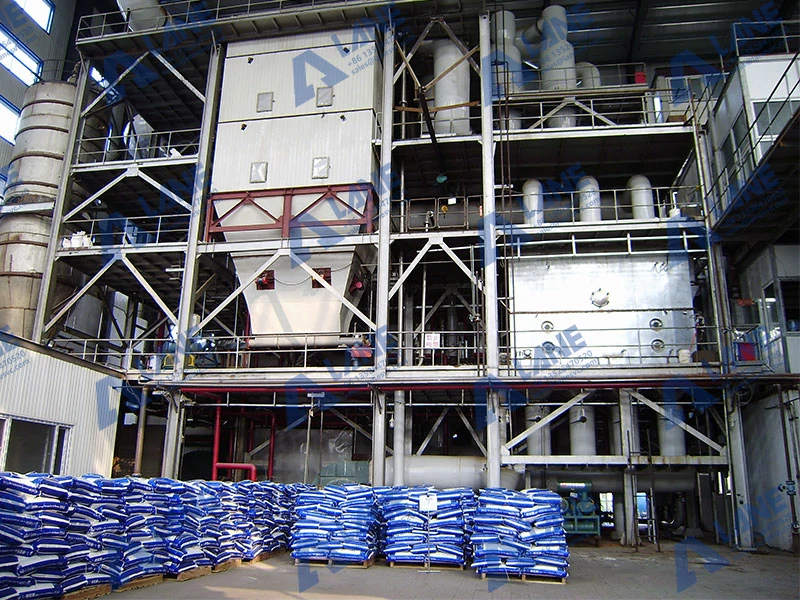
Before entering the reaction system, sulfuric acid is diluted and filtered to achieve the required concentration, while ammonia gas undergoes purification to remove impurities. Precise metering equipment ensures the correct ratio between ammonia and sulfuric acid, which directly affects product quality and nitrogen content.
Modern fertilizer plants typically use automatic dosing systems controlled by PLC or DCS platforms to maintain production stability and reduce human error.
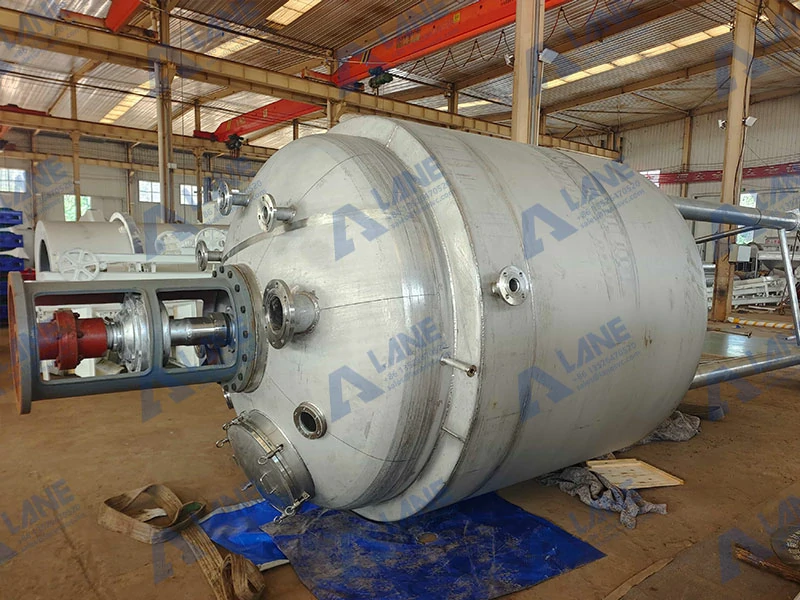
The neutralization reactor is the heart of the ammonium sulfate fertilizer production line. Inside the reactor, ammonia and sulfuric acid react continuously under controlled conditions.
Industrial systems generally maintain temperatures between 80°C and 120°C. Cooling devices rapidly remove reaction heat to avoid local overheating. Advanced reactors are equipped with automatic pH monitoring, temperature sensors, and circulation systems to guarantee uniform mixing and consistent product quality.
The resulting ammonium sulfate solution leaves the reactor and enters the concentration stage.
The ammonium sulfate solution contains a substantial amount of water after neutralization. To facilitate crystallization and granulation, the solution must be concentrated.
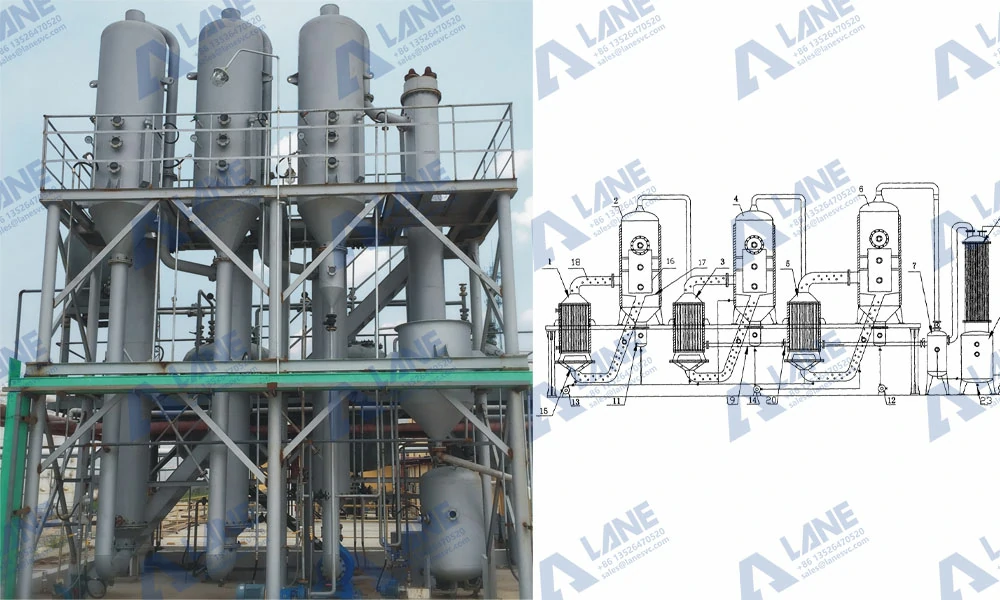
Most modern ammonium sulfate fertilizer production lines adopt multi-effect evaporators operating under vacuum conditions. Vacuum evaporation reduces the boiling temperature to approximately 70–90°C, lowering energy consumption and preventing thermal decomposition.
The solution concentration is gradually increased to around 80%–85%. Heat recovery systems can further reduce steam consumption and improve overall plant efficiency.
Granulation technology determines the final appearance, particle size distribution, and mechanical strength of ammonium sulfate fertilizer.
There are several mature granulation methods used in industrial production.
In spray granulation systems, concentrated ammonium sulfate solution is atomized through high-pressure nozzles and introduced into a granulation tower. The droplets come into contact with rising hot air, and moisture rapidly evaporates to form solid particles.
This technology provides good particle uniformity and is suitable for large-scale production facilities.
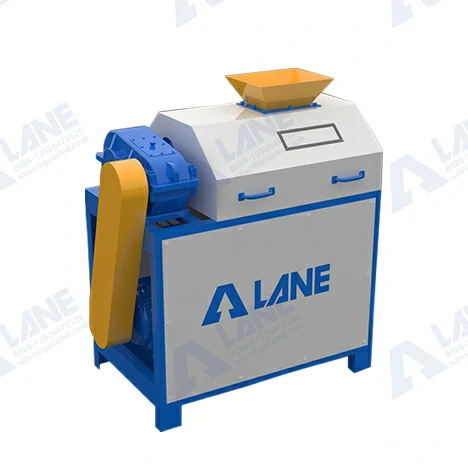
Rotary drum granulation uses seed particles as nuclei. Concentrated solution is sprayed onto the moving material bed inside a rotating drum, allowing particles to grow layer by layer.
The process offers stable operation, high capacity, and excellent adaptability to industrial production requirements.
Fluidized bed granulation suspends fertilizer particles using upward airflow. The ammonium sulfate solution is sprayed onto the fluidized particles, creating highly uniform granules with improved strength and reduced dust generation.
Many modern plants prefer fluidized bed technology because of its high heat-transfer efficiency and superior product consistency.
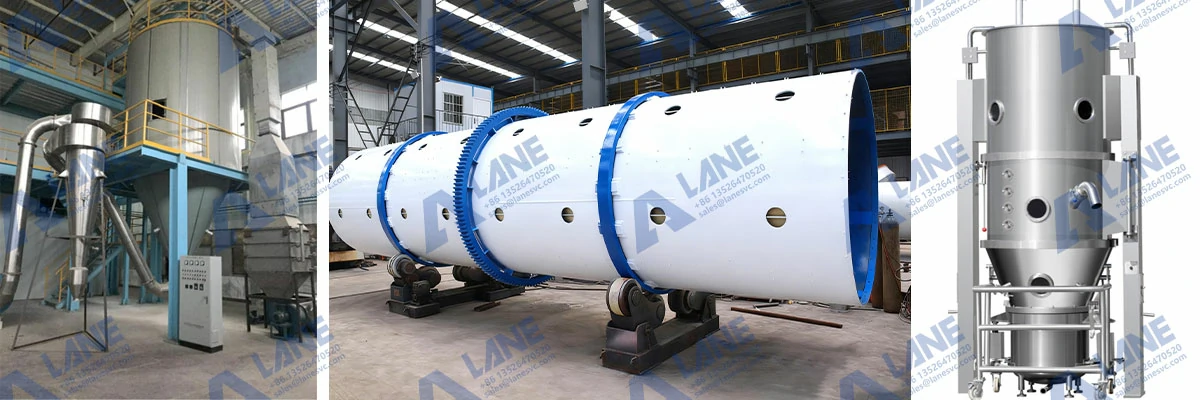
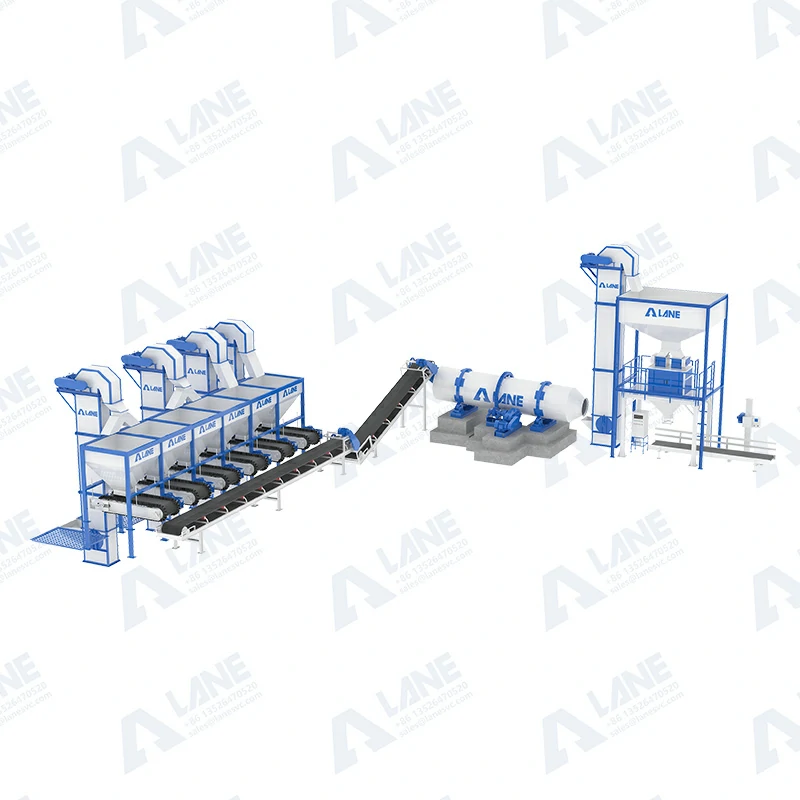
A complete ammonium sulfate fertilizer production line consists of several interconnected systems designed to ensure continuous operation and stable output.
The raw material section includes storage tanks, pumps, metering devices, and feeding systems. The reaction section contains neutralization reactors, circulation pumps, and cooling systems.
The concentration unit generally consists of multi-effect evaporators, vacuum pumps, condensers, and heat exchangers. Granulation equipment may include granulation towers, rotary drum granulators, or fluidized bed granulators, depending on the chosen process route.
After granulation, the product enters rotary dryers or fluidized-bed dryers, where moisture content is reduced to less than 0.5%. Cooling equipment lowers the product temperature to below 40°C, ensuring safe storage and packaging.
The final stage includes vibrating screens, bucket elevators, automatic packaging machines, and palletizing systems. Oversized and undersized particles are recycled back to the granulation section, minimizing raw material losses and improving production efficiency.
Maintaining product quality is essential for agricultural applications. Industrial ammonium sulfate fertilizer manufacturing plants implement strict quality control procedures throughout the production process.
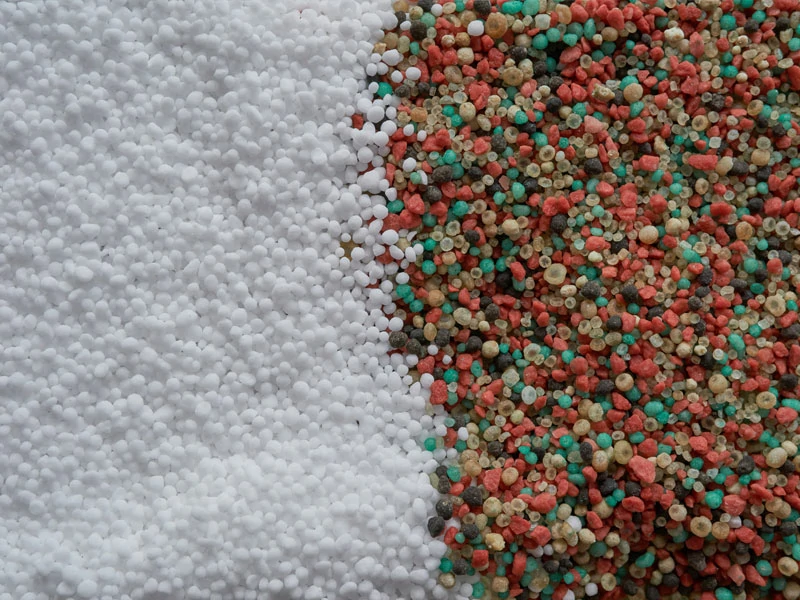
The nitrogen content of agricultural-grade ammonium sulfate generally exceeds 20.5%, while moisture content is maintained below 0.5%. Finished granules usually have a particle size between 1 mm and 4 mm, with more than 90% of the product falling within this range.
Mechanical strength is another critical indicator. High-quality granules typically achieve crushing strengths above 20 N, ensuring resistance to breakage during transportation and storage.
For industrial-grade products, manufacturers must also control heavy metals, free acid content, and insoluble impurities to meet international standards.
Environmental protection has become an integral part of modern ammonium sulfate fertilizer production line.
Ammonia-containing exhaust gases are commonly treated in acid scrubbers, where sulfuric acid absorbs residual ammonia and converts it into reusable ammonium sulfate solution. This significantly reduces atmospheric emissions and improves raw material utilization.
Wastewater generated during production undergoes pH adjustment, biological treatment, or evaporation recovery before being reused in the process. Many advanced facilities have adopted membrane separation technologies to recover dilute sulfuric acid and minimize wastewater discharge.
Noise reduction measures, including acoustic insulation and low-noise equipment design, further improve plant safety and environmental performance.
Although direct neutralization remains the dominant manufacturing method, several alternative technologies are gaining popularity.
The gypsum process converts calcium sulfate and ammonium carbonate into ammonium sulfate while producing calcium carbonate as a by-product:
CaSO₄ + (NH₄)₂CO₃ → (NH₄)₂SO₄ + CaCO₃↓
This method is widely used in phosphate fertilizer production lines to recycle phosphogypsum and reduce waste disposal costs.
Another important technology involves flue gas desulfurization systems. Sulfur dioxide from power plants reacts with ammonia to produce ammonium sulfate fertilizer, providing both environmental and economic benefits.
These resource-recycling technologies are becoming increasingly attractive as industries seek to improve sustainability and reduce carbon emissions.
The ammonium sulfate fertilizer production line industry is evolving toward greater energy efficiency, automation, and product diversification.
Heat-pump evaporation systems and waste-heat recovery technologies can reduce steam consumption by 15%–20% compared with conventional processes. Intelligent DCS control platforms enable real-time monitoring of temperature, pressure, pH, and material flow, improving operational stability.
At the same time, manufacturers are developing controlled-release, coated, and compound ammonium sulfate fertilizers to meet the specific nutritional requirements of different crops and soil conditions.
As global agriculture increasingly emphasizes sustainable production and resource efficiency, modern ammonium sulfate fertilizer production lines will continue to integrate advanced equipment, environmental technologies, and intelligent control systems to achieve higher productivity and greater economic value.