Basalt powder is a finely ground volcanic rock material used in agricultural soil amendments, mineral products, construction materials, and other industrial applications. However, handling fine basalt powder can present several challenges, including dust generation, inconsistent material flow, and difficulties in storage, transportation, and application.
A basalt powder granulator converts fine basalt particles into larger, more uniform granules through mechanical agglomeration. Depending on the raw material properties and final product requirements, manufacturers can select disc pelletizers, rotary drum granulators, or roller press granulators to achieve the desired particle size, shape, and strength.
This guide explains how basalt powder granulation works, which equipment is suitable for different production requirements, and how to design an efficient basalt powder pellet production line.
Basalt is a naturally occurring volcanic rock containing various mineral components, including silicon, aluminum, calcium, magnesium, and iron. Its exact chemical composition and mineral characteristics vary depending on the geological source.
After crushing and grinding, basalt can be processed into fine mineral powder for different applications. However, directly using or transporting fine powder may create several operational problems.
Granulating basalt powder offers several practical advantages:
1. Reduced Dust Generation
Fine basalt powder can become airborne during conveying, packaging, and application. Agglomerating fine particles into larger granules helps reduce dust generation and improves material handling.
2. Improved Flowability
Fine powders may have poor flow characteristics, particularly when moisture, particle size distribution, and storage conditions are not properly controlled. Granulation produces larger particles that can improve feeding, conveying, and packaging performance.
3. More Convenient Storage and Transportation
Granules are generally easier to handle in bulk material systems than loose fine powder. They can also be packaged in standard bags or bulk bags according to market requirements.
4. More Controlled Agricultural Application
For basalt-based soil amendments, granules can be designed to match the feeding and distribution requirements of agricultural equipment. Suitable particle size and mechanical strength should be verified through application testing.
5. Flexible Product Formulation
Basalt powder can be granulated alone with an appropriate binder or blended with other mineral materials and additives. This provides flexibility for manufacturers developing customized mineral-based products.
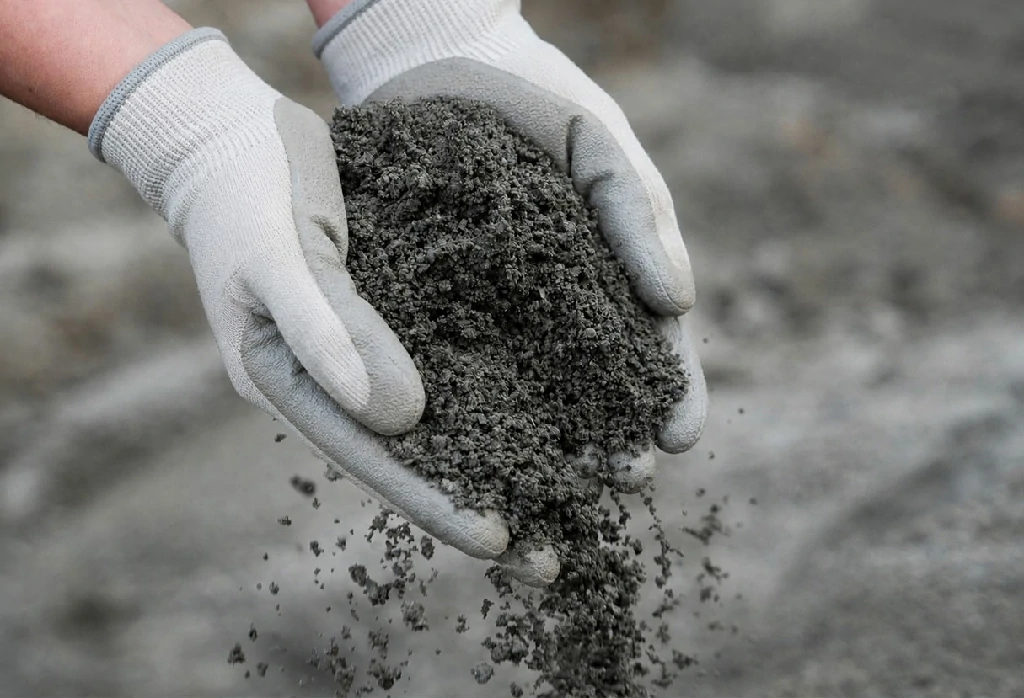
Basalt powder granulation generally uses two main methods: wet agglomeration and dry compaction.
The appropriate process depends on the powder’s particle size, moisture content, mineral composition, desired granule shape, production capacity, and final product specifications.
Wet granulation uses water or a suitable liquid binder to promote particle adhesion. Fine basalt particles gradually combine into larger granules through mixing, rolling, and tumbling.
A typical wet granulation process includes:
Dry granulation uses mechanical pressure to compact powder into larger particles without adding liquid during the granulation stage.
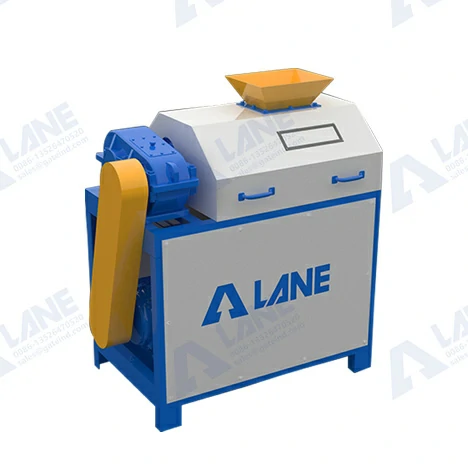
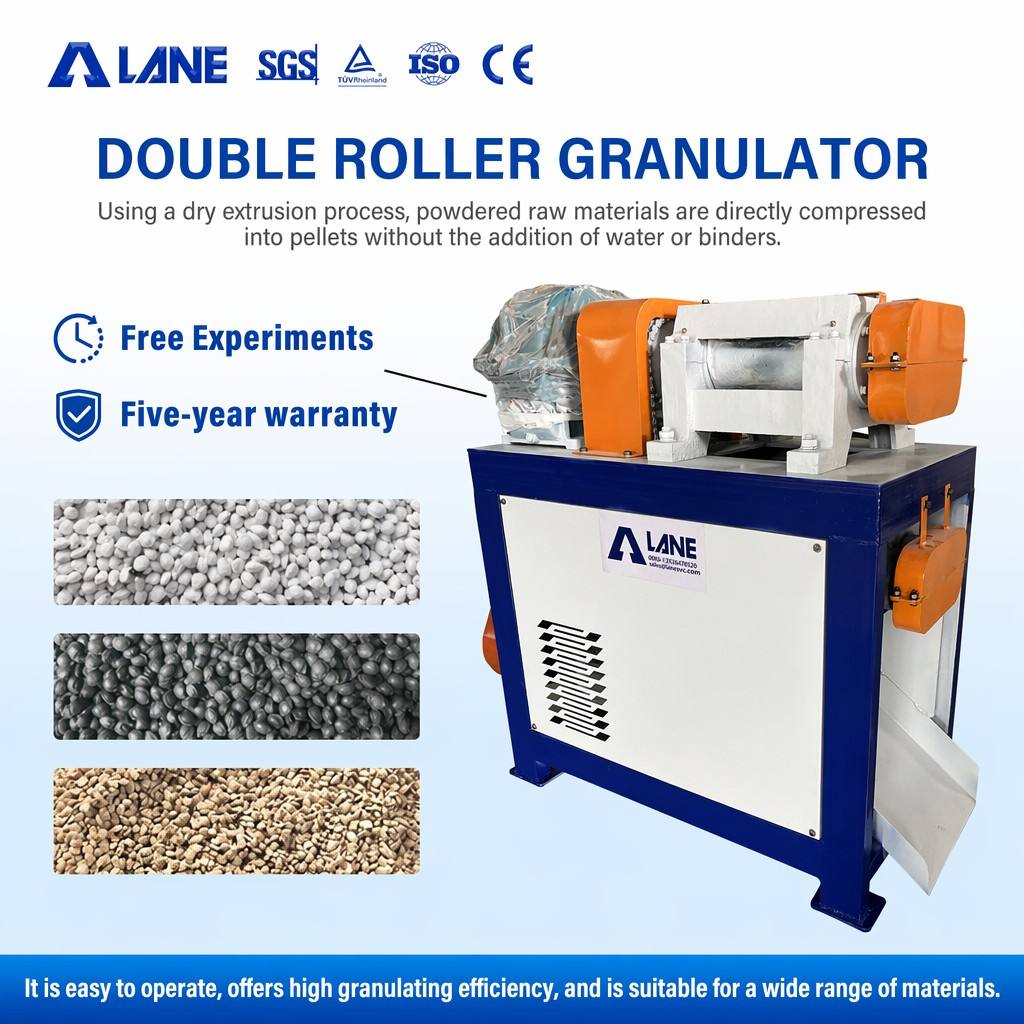
A double roller press granulator is one possible solution. Basalt powder is fed between two counter-rotating rollers and compressed into flakes or shaped compacted material. The compacted material is then crushed and screened to obtain the required particle size.
This method can reduce or eliminate the need for a downstream drying process, depending on the raw material’s initial moisture and product requirements.
However, basalt is a hard mineral material. Its abrasiveness, compressibility, roller wear, and achievable granule strength must be evaluated through material testing before selecting a roller press.
Selecting the right basalt powder granulator is essential for obtaining stable production performance and consistent product quality.
Different machines work according to different granulation principles.
A disc granulator, also known as a pan granulator, is commonly used for wet agglomeration of fine mineral powders.
The machine consists of an inclined rotating disc. Basalt powder and binder enter the disc, where continuous rolling and tumbling gradually form small seed particles. Additional fine powder adheres to these seeds, allowing the granules to grow.
The finished particle size can be adjusted through disc inclination, rotational speed, feed rate, and liquid addition.
Main advantages:
A disc granulator is worth considering when the customer prioritizes rounded granules and flexible particle size adjustment.
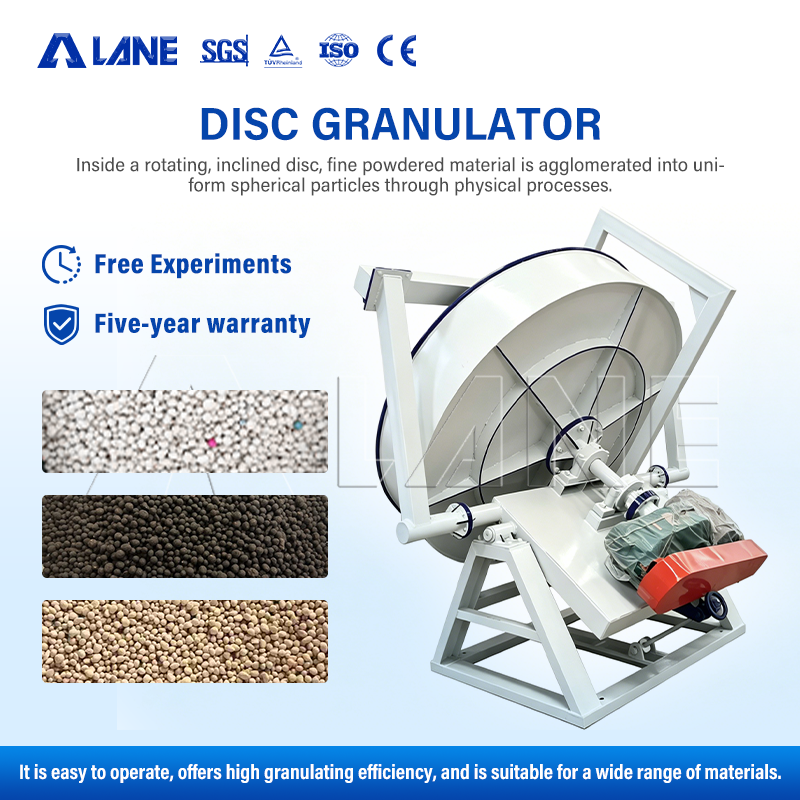
A rotary drum granulator uses a rotating cylindrical drum to agglomerate conditioned powder into larger particles.
Basalt powder, binder, and other ingredients are continuously fed into the drum. As the drum rotates, the material tumbles and gradually forms granules.
Main advantages:
A rotary drum granulator can be considered for projects with relatively high production requirements. Its suitability depends on material characteristics, granulation behavior, and the required product size distribution.
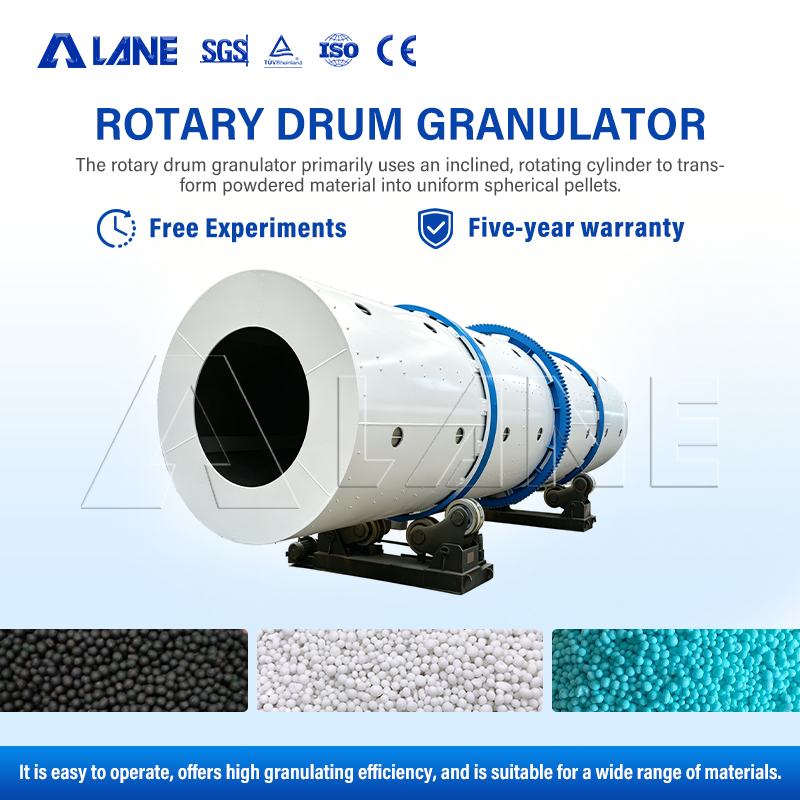
A double roller press granulator uses mechanical compression to form compacted particles from dry powder.
Two rollers rotate in opposite directions, compressing the material between their surfaces. The compacted product is subsequently crushed and screened to obtain the target granule size.
Main advantages:
However, basalt powder has relatively high mineral hardness and may cause significant roller wear. Before choosing this solution, manufacturers should evaluate feed particle size, moisture, compressibility, roller material, and the required operating pressure.
| Equipment | Granulation Method | Typical Product Shape | Key Advantage |
|---|---|---|---|
| Disc Granulator | Wet agglomeration | Round granules | Flexible size adjustment |
| Rotary Drum Granulator | Wet agglomeration | Rounded granules | Continuous production |
| Double Roller Press | Dry compaction | Flakes or irregular granules after crushing | Reduced moisture requirements |
The best basalt powder granulator should be selected according to actual basalt powder samples and the required finished product specifications rather than machine capacity alone.
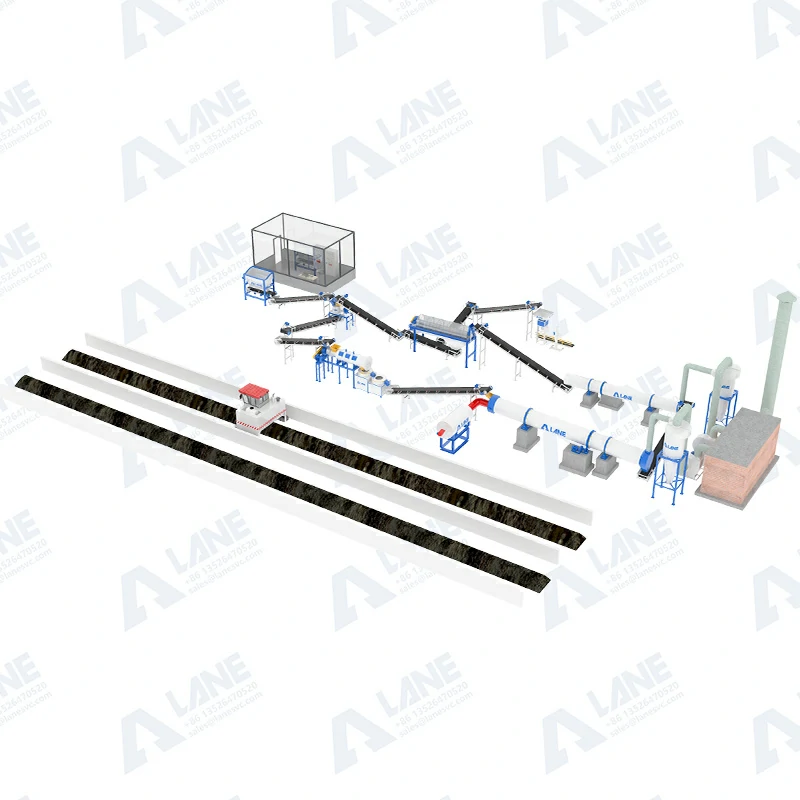
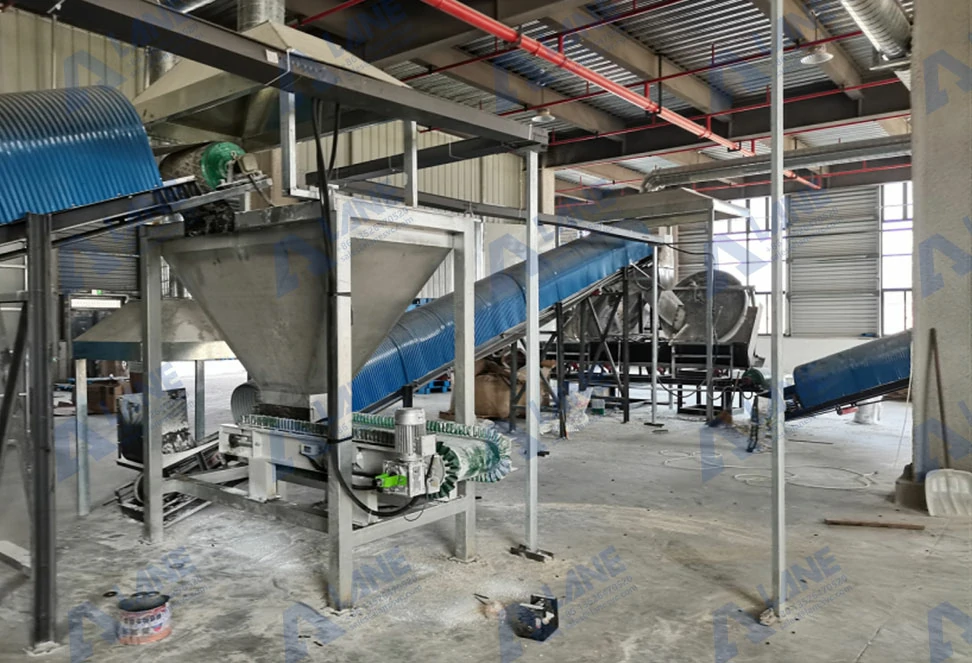
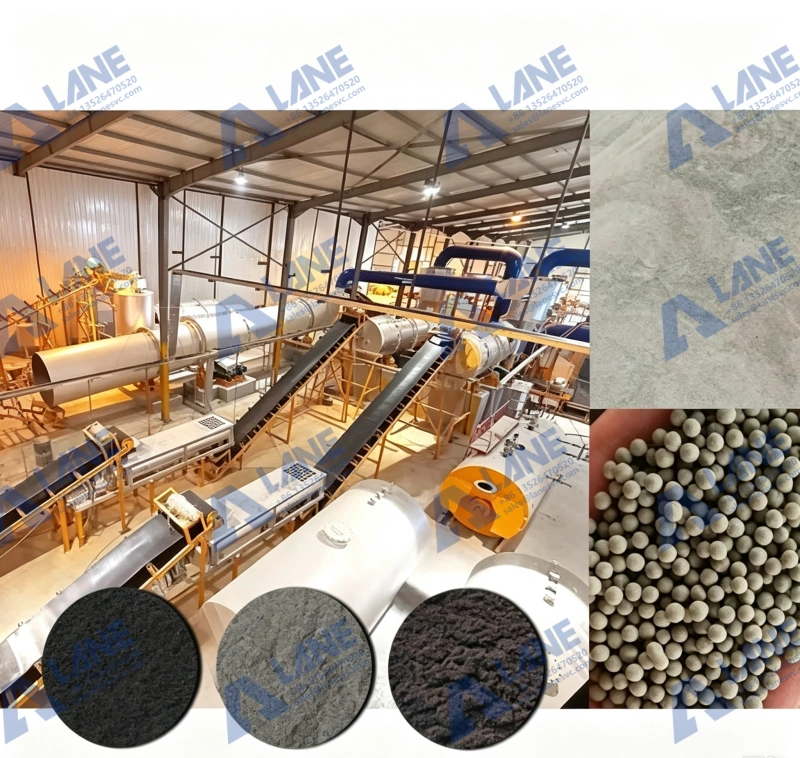
For manufacturers planning commercial production, a complete basalt powder granulation line can integrate raw material preparation, mixing, granulation, drying, screening, and packaging.
A typical wet granulation production line includes the following equipment:
Large basalt rocks are crushed and ground into fine powder. The required grinding fineness depends on the selected granulation method and final product specifications.
A vibrating screen separates oversized particles and helps maintain a consistent feed size for the subsequent granulation process.
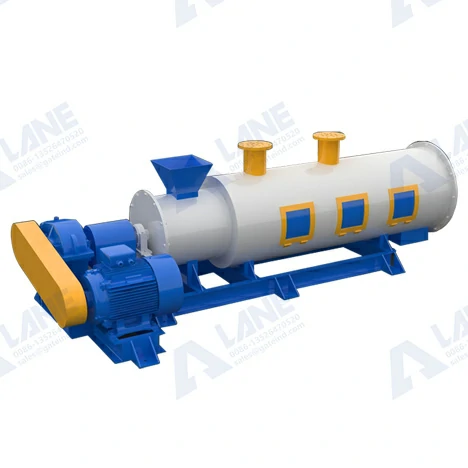
A batching system controls the proportion of basalt powder, binders, and optional additives. A mixer ensures that the materials are evenly distributed before granulation.
The selected granulator converts the conditioned basalt powder into granules. Water or binder can be added according to the material’s agglomeration characteristics.
For wet granulation processes, a rotary drum dryer can reduce the moisture content of newly formed granules to the required level.
Drying temperature and residence time should be determined according to binder characteristics, granule strength, and final moisture specifications.
The cooling system reduces the temperature of dried granules, helping prepare them for screening, storage, and packaging.
A finished product screening machine separates qualified granules from oversized and undersized particles.
Oversized granules can be crushed and returned to the production process, while undersized material can be recycled to the granulator.
This closed-loop arrangement helps improve material utilization and reduce production waste.
Qualified basalt granules are weighed and packed into bags according to the customer’s packaging requirements.
Choosing a suitable basalt powder granulator is only one part of the production process. The properties of the raw material and the operating conditions also have a significant influence on the final product.
Raw Material Particle Size
The particle size distribution of basalt powder affects particle contact, binder distribution, and granule formation. Excessively coarse particles may create weak or irregular granules, while very fine powders may require different moisture and binder conditions.
Moisture Content
Moisture is an important control parameter in wet granulation. Insufficient moisture may prevent particles from adhering properly, while excessive moisture can cause sticky material, oversized granules, or unstable operation.
The optimal moisture level should be established through granulation tests.
Binder Selection
Basalt powder does not necessarily have sufficient natural binding properties to form durable granules. Depending on the application, manufacturers may evaluate starch-based binders, bentonite, lignosulfonates, or other suitable binding agents.
Binder selection should consider granule strength, water resistance, product composition, cost, and the intended application.
Granulation Equipment Settings
For disc granulators, disc angle, rotational speed, feed rate, and liquid distribution affect the size and shape of granules.
For rotary drum granulators, rotational speed, residence time, internal structure, and material feed rate are important operating variables.
For double roller granulators, roller pressure, roller surface design, feed conditions, and material compressibility affect compaction quality.
Drying and Cooling Conditions
In wet granulation, improper drying may result in cracked granules, excessive residual moisture, or reduced mechanical strength.
The drying and cooling stages should be designed according to the characteristics of the formed granules rather than using a fixed temperature for all basalt formulations.
Granulated basalt powder can be used in several industries, depending on its mineral composition, formulation, particle size, and product certification.
Basalt rock powder is used in some agricultural applications as a mineral-based soil amendment. Granulation can make the material easier to store, transport, and distribute.
Manufacturers can develop basalt-based granules with different particle sizes and formulations according to agricultural market requirements.
Basalt powder can be blended with other mineral ingredients to manufacture customized mineral-based fertilizer or soil amendment products.
A suitable granulation process helps combine different ingredients into relatively uniform granules. The final formulation must be evaluated for nutrient composition, physical stability, and agricultural suitability.
Processed basalt powder is used in various construction-related applications. Depending on the formulation and product standards, granulation may help convert fine mineral materials into more convenient forms for handling and further processing.
Fine mineral powders are sometimes agglomerated to reduce dust, improve material handling, and facilitate downstream industrial operations.
The appropriate granulation method depends on the mineral properties and the requirements of the receiving process.
Before purchasing basalt powder granulation equipment, manufacturers should evaluate several technical and commercial factors.
| Selection Factor | Information to Confirm |
|---|---|
| Raw Material | Basalt powder, ground basalt, or basalt mixed with other minerals |
| Feed Particle Size | Powder fineness and particle size distribution |
| Moisture Content | Initial moisture and allowable process moisture |
| Production Capacity | Required output in tons per hour |
| Granule Size | Target diameter and acceptable size range |
| Granule Shape | Round, irregular, or compacted granules |
| Granule Strength | Required crushing and handling resistance |
| Binder | Binder type, dosage, and formulation |
| Drying Requirements | Whether additional drying is necessary |
| Packaging | Bag size and packaging method |
A professional basalt powder granulator supplier should evaluate these parameters before recommending a machine configuration.
For basalt powder, laboratory or pilot-scale granulation tests are particularly useful because mineral hardness, particle size, and binder compatibility can vary significantly between raw material sources.
Different basalt powder samples may behave differently during granulation. Even when two materials have similar chemical compositions, differences in particle size distribution, moisture, and surface characteristics can influence their agglomeration performance.
A granulation test can help determine:
Testing actual raw material samples provides a more reliable basis for basalt powder granulator selection and production line design than relying on theoretical capacity estimates.
LANE provides customized basalt powder granulation equipment and complete basalt powder production line solutions for mineral powder processing and fertilizer-related applications.
For basalt powder granulation projects, equipment selection can be based on the raw material characteristics, required production capacity, finished granule specifications, and available factory space.
A proposed basalt powder granulation line may include:
Our engineering team can evaluate the proposed process and prepare a customized equipment configuration according to the customer’s production requirements.
Planning a basalt powder granulation project?
Send us your basalt powder specifications, expected production capacity, and target granule size. LANE can help evaluate the suitable granulation method and recommend an equipment configuration for your project.
Contact us to discuss your basalt powder granulator requirements and obtain a customized quotation.
Yes. Basalt powder can be converted into granules through wet agglomeration or dry compaction. The appropriate method depends on its particle size, moisture, compressibility, and required finished product properties.
A disc pelletizer is a suitable option when rounded granules and flexible particle size adjustment are required. A rotary drum granulator can be considered for continuous production at higher capacities. A double roller press is another option for suitable dry-compaction formulations.
The final selection should be based on material testing.
Wet granulation generally requires water or a suitable binder to promote particle adhesion. Some formulations may granulate with water alone, while others need additional binding agents.
Dry roller compaction does not require liquid binder during the pressing stage, but the powder must have suitable compaction properties.
There is no universal granule size for all basalt products. The target size depends on the end application, handling equipment, packaging requirements, and agricultural distribution method.
For agricultural products, manufacturers should determine the appropriate particle size through application and product testing.
A wet basalt powder granulation line generally requires a drying stage when the formed granules contain more moisture than the final product specification allows.
A dry roller compaction process may eliminate the need for a dedicated granule dryer, depending on the initial moisture content and final product requirements.
Yes. Basalt powder can be mixed with suitable mineral materials, binders, or other formulation ingredients before granulation. The compatibility of the ingredients and the final product properties should be evaluated through testing.
To recommend suitable equipment, please provide:
Photos, material samples, or an existing production process description are also helpful.
With these details, an equipment supplier can evaluate the granulation process and prepare a more accurate proposal.